Pano AI camera ‘a priority’ for Independence Pass
A new wildland division team will also be utilized in the area this summer, and funding to keep bathrooms open has been secured

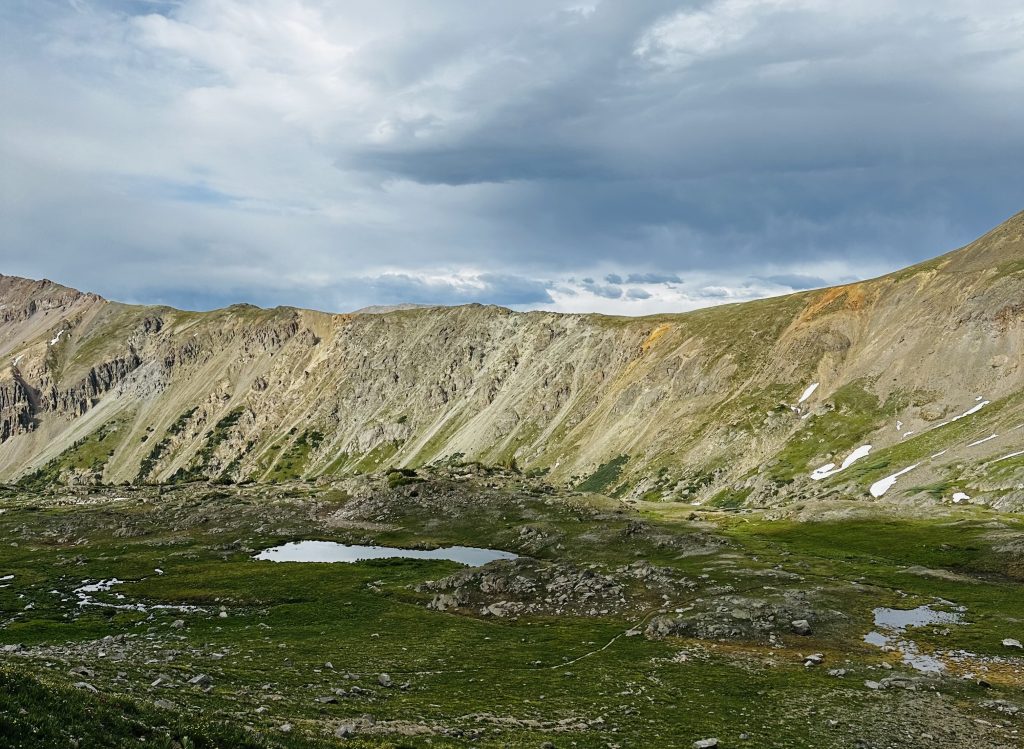
River Stingray/The Aspen Times
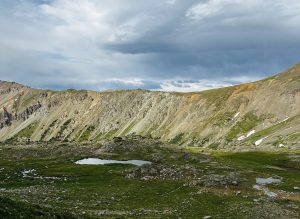
Independence Pass is being set up for success this summer despite cuts to the U.S. Forest Service’s budget and staffing, with efforts to prioritize wildfire mitigation and response as well as secured funding in order to keep bathrooms open.
According to Independence Pass Foundation Executive Director Karin Teague, the USFS remains in a “tough place” due to the Trump administration’s reductions of the agency’s funding and consequently staffing, which have directly impacted White River National Forest operations and boots on the ground patrolling. With the upcoming fire season looking particularly bad due to ongoing drought and a low snowpack, covering what Ali Hager Hammond, director of community wildfire resilience for Aspen, called “blind spots” up Independence Pass.
“It is a priority, just given that fires don’t respect landscape boundaries and that is part of our district,” Hager Hammond said of putting a Pano AI camera up there. “Currently, it’s a blindspot.”
Teague added, “Right now, there’s nothing up the pass, so we’re trying to see if we can add a camera to the system, so we can keep an eye out up there.”
She noted that the Lincoln Creek drainage is a particularly critical spot.
While Hager Hammond said that the use of satellite technology is helping keep eyes on some of the landscape up Independence Pass, there are still areas being missed due to the topography. And with the campgrounds and human activity up near Grizzly Reservoir on Lincoln Creek Road, it’s important to be able to monitor for smoke and fires. Pano AI cameras can scan a 360° territory and detect potential smoke signatures from 10 miles away, according to previous reporting by The Aspen Times.
The Aspen Fire Protection District currently has four cameras installed in its district: Williams in Snowmass and Jack Rabbit, Ajax and Upper Red Mountain in Aspen. Real-time conditions can be viewed via the cameras at aspen.wildfirewatch.com.
Hager Hammond confirmed that there have already been people who have pledged money toward the Pano AI camera up Independence Pass.
“We would like to do that as soon as possible,” she said. “It’s definitely an area that we care about making sure that we have coverage … we just need to figure out the best way to get that coverage, what’s going to be most effective.”
What’s happening in Aspen, in one click.
Sign up for daily or weekly newsletters AspenTimes.com/newsletter
According to her, the Pano AI cameras need a location that has both the right vantage point and electricity — something that’s difficult to find up Independence Pass. She noted that the Pano AI technology is currently creating a different style of station that could be more solar panel-dependent, which is what officials would want to utilize up the pass.
Sheadded that additional efforts this summer in the “interim” before a camera is installed include volunteer teams that will help with patrolling campgrounds as well as the district’s first ever wildland division, a team of “seasonals” trained as wildland firefighters who will also help complete mitigation projects. The initiative has been funded by the ballot initiatives passed last fall.
The seasonals will arrive in Aspen at the end of this month to begin work in June, Hager Hammond confirmed.
The Independence Pass Foundation and its volunteers will also be assisting in patrolling areas of human activity.
“We will always be looking out for campfires, for improperly extinguished fires,” Teague said.
There are also some alternative technologies Hager Hammond said the district is beginning to look into, including microphones that can be placed in the forest to pick up sound patterns associated with fires and chemical sensors.
She underscored that residents committing to home hardening and defensible space within Aspen is a huge component to complement the work being done out on the landscape.
“That’s when we start to see a significant change in our community’s ability to be resilient to wildfire,” she said. “Wildfires will always be a reality. What we really want to avoid is the urban conflagration. Once those fires are close to our Values at Risk, that’s when it becomes a problem.”
The Independence Pass Foundation has also received a grant through the Roaring Fork Outdoor Coalition that will pay American Land & Leisure to clean and stock all of the public toilets on the pass five days a week, which Teague said costs roughly $22,000 for the season.
The other two days a week will be serviced by the Independence Pass Foundation and its volunteers.
“The Forest Service doesn’t have the budget to cover that, sadly,” Teague said. “This year is basically going to be a repeat of last year … I think it worked well in the sense that our contractors did a really terrific job with the cleaning and stocking. We anticipate that they will do an equally wonderful job this summer. We’re lucky to have them, lucky to have the bathrooms open and taken care of.”
The Independence Pass Foundation will also be covering all the trash pickup on the pass this year, including at all the trailheads, day use areas and on the summit. Teague emphasized that the Independence Pass summit could use some more attention, and the foundation will be working with the USFS in both Leadville and the Aspen-Sopris Ranger District on a plan to address the erosion and degradation, in addition to making it more accessible.
“We’d really like to see it serve more people better,” Teague said. “It’s such a beloved place and it’s at 12,000 feet, so it really gets hammered.”
The Independence Pass Foundation will have upwards of 150 volunteers working on different days on different projects over the summer season. But everyone needs to play a part in taking care of the pass this year, she said, which includes being mindful of fire seasons and fire restrictions and leaving no trace.
“Thinking hard and twice about having campfires and making sure they’re absolutely out and cold before you leave. Pick up after yourself. There’s no excuse, no reason for leaving litter out,” she said. “Understand that we just don’t have the same staff and boots on the ground that we’ve had in the past. It’s really up to all of us to pitch in and keep the place clean and taken care of. We are so fortunate to have the incredible public lands that we do.”
Pano AI camera ‘a priority’ for Independence Pass
Independence Pass is being set up for success this summer despite cuts to the U.S. Forest Service’s budget and staffing, with efforts to prioritize wildfire mitigation and response as well as secured funding in order to keep bathrooms open.

Sale, repair bikes not allowed in Aspen’s Right of Way
The city of Aspen’s Community Development and Engineering staff will communicate this spring to bike shops that for sale and repair fleets are not allowed in the Right of Way.