Recent precipitation pushes Roaring Fork watershed out of ‘record-breaking’ levels
Wildfire concern still high as future outlook does not guarantee moisture

Austin Colbert/The Aspen Times
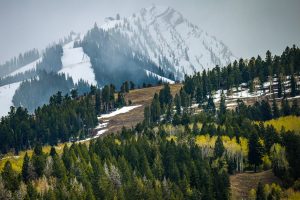
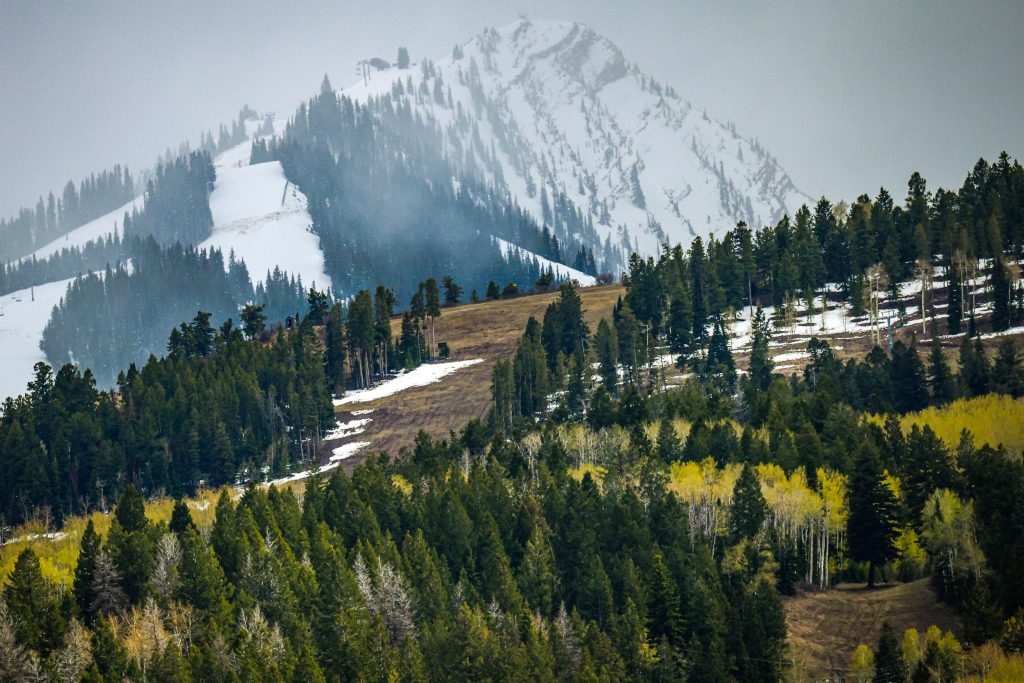
The Roaring Fork Valley went through the majority of this winter well below median snow-water equivalent levels, a measurement that can give a sense of the local snowpack level.
Since late January, the Roaring Fork watershed has been reporting a suffering snowpack, competing with previous records that go as far back as 1986 when snow telemetry, or SNOTEL stations, began taking data in the area.
That record-breaking streak ended this week when spring precipitation pushed snow-water equivalent back above the previously worst-recorded season at this time, which in early May was the 2011/12 winter season.
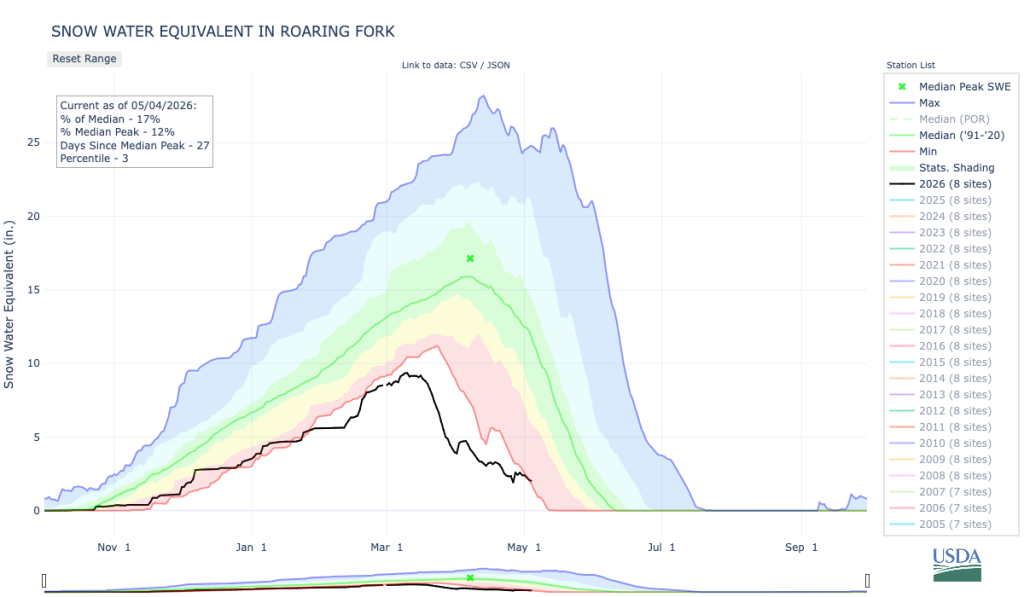
However, this season’s snowpack is still remarkably low, and drought and wildfire continue to be primary concerns.
“Any precipitation helps,” Service Hydrologist at the National Weather Service Erin Walter said. “What I would like to see is the entire basin filling in above average … Some of those higher terrain areas that had depleting or lack of snowpack are still the main concern for fire weather mid-summer.”
The April precipitation still represents “average” or “lower than average” precipitation levels for much of Pitkin County, according to the Colorado Climate Center’s data. Walter added that, in order to begin to alleviating some of the wildfire concern, the county would need to see higher levels of precipitation over a longer period of time.
“April’s weather has eased wildfire concerns, but I don’t want to get too optimistic yet since June is typically our driest month,” Walter said.
The three month outlook from the National Oceanic and Atmospheric Association has not markedly changed as of late March, with the coming months looking to be hotter than average and dryer than average in some parts of the state.
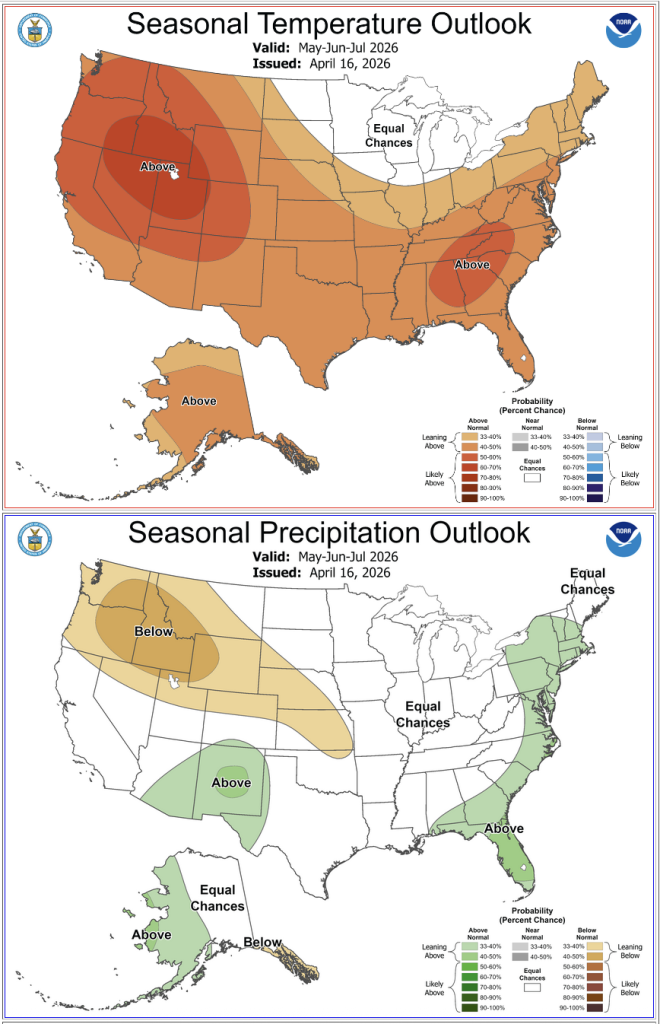
“It’s still too early to tell in terms of what we’re going to see later this summer,” Walter said.
Local officials from Roaring Fork Valley first responders and local governing bodies recently said at a wildfire preparedness presentation in April that the valley has been anticipating this issue long before this notably bad winter season.
Prior to this summer, first responders and local governments had been preparing the valley for a fast and efficient reaction to a potential wildfire in the area. Building codes have been encouraging homeowners and real estate developers to use non-combustable materials on the exteriors of their buildings and are currently being updated even further to reflect statewide standards.
New wildfire models deployed in the area are also finding ways to improve fire response, with new cameras continuously monitoring the valley for smoke and directing fire resources to them before they grow out of control. Prescribed burns remain utilized to reduce the amount of available fuels for potential fires in the area.
What’s happening in Aspen, in one click.
Sign up for daily or weekly newsletters AspenTimes.com/newsletter
According to these responders and local governments, the Roaring Fork Valley is currently “better prepared than (its) ever been,” for wildfire, as Jake Andersen, Aspen Fire Protection District fire chief, said at the recent presentation.
Pitkin County gives verbal commitment to Cavern Springs for $1.5M
Pitkin County gave a verbal commitment on Tuesday to provide $1.5 million toward the purchase of Cavern Springs Mobile Home Park between Carbondale and Glenwood Springs.