Pitkin County could step in to save Maroon Bells from ‘red zone’
A proposed special use permit received preliminary approval from the Board of County Commissioners

River Stingray/The Aspen Times
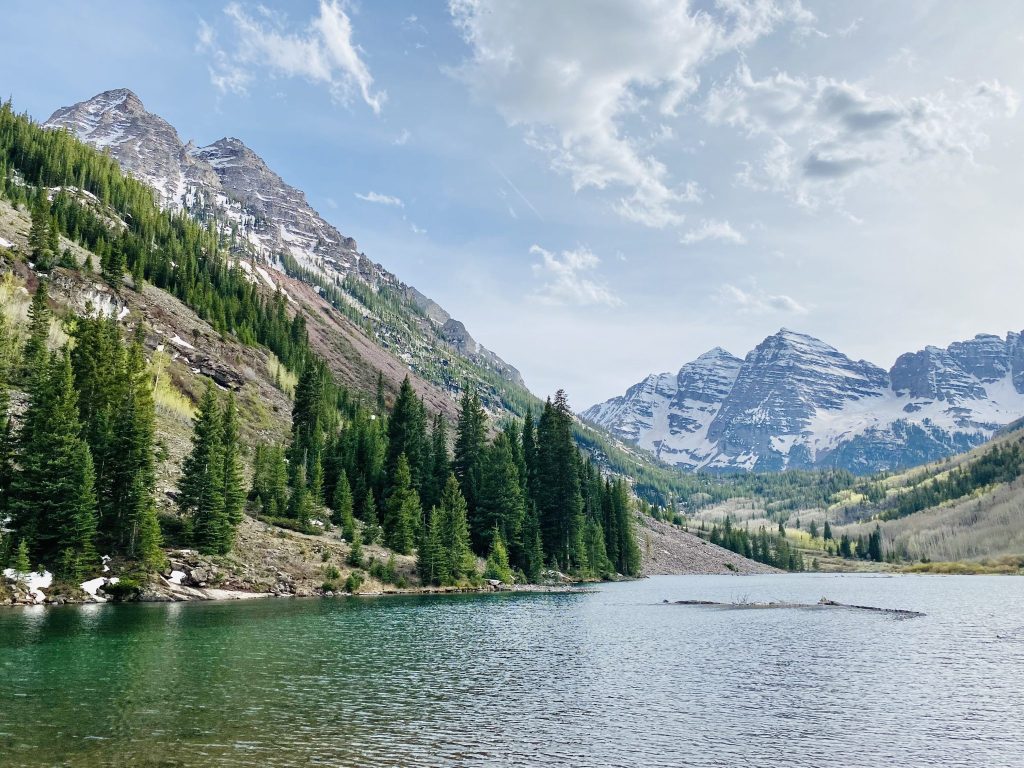
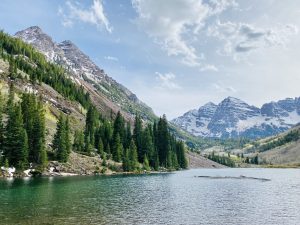
Pitkin County gave the go ahead on Tuesday to begin pursuing a special use permit to take over operations at the Maroon Bells Scenic Area from the U.S. Forest Service in light of concerns around funding and federal support.
This expanded partnership would go into effect for the 2027 summer season, the same year that the county and the USFS will be celebrating 50 years of working together. The USFS and Pitkin County Open Space and Trails presented to the Pitkin County Board of County Commissioners during their May 12 work session, highlighting staffing shortages and funding shortfalls and proposing the option of the special use permit.
“We run in the red,” Forest Supervisor for the White River National Forest Brian Glaspell told commissioners of operating costs at the area. “That’s not sustainable for the Forest.”
While Pitkin County would be authorized through the permit to oversee the day-to-day operations and management of the Maroon Bells Scenic Area, the USFS would retain ownership and continue operations on the rest of the national forest surrounding the scenic area.
Kendra Head, the developed and dispersed campground recreation manager for the Aspen-Sopris Ranger District, told commissioners that the USFS cannot easily change fees under the current Federal Lands Recreation Enhancement Act and has had challenges hiring employees for the area for many years. According to her, a new management structure is needed to generate sufficient revenue and ensure staffing to manage the Maroon Bells Scenic Area moving forward.
“Budgets are tight across the Forest and we need to change management strategies,” Head said. “It’s easier for you all to increase prices than it is for us.”
The White River National Forest has been subsidizing the Maroon Bells Scenic Area for years, according to Head. While the USFS is attempting to bolster revenue this year with a new e-bike fee and a no-show fee, it won’t been enough to close the roughly $300,000 annual cost revenue gap the Maroon Bells Scenic Area has.
The proposed permit would be for a five-year term, with the option to renew for an additional five years. The permit would include staffing and daily operations of the site and maintaining existing infrastructure like toilets, water system, etc, and would allow county to complete deferred maintenance on infrastructure in lieu of a permit fee.
If the county refused the special use permit through a non-competitive process, the USFS would attempt to find a private concessionaire who could apply for a special use permit. In both cases, fees will increase at the Maroon Bells Scenic Use area in order to support the operations and ensure the area is at least revenue-neutral.
“There’s going to be an increase in fees no matter what,” said Gary Tennenbaum, Pitkin County Open Space and Trails director. “Next year, what we’re going to propose is a fee structure, so fees are going to go up. I don’t know how much and I don’t know where, (but) they have to go up.”
He added, “It’s going to take a village to manage this place … We’ve got to protect it.”
Tennenbaum emphasized that the aim of increased fees would solely be to support long-term management.
“We’re not looking to profit on the management of the Bells,” he said.
During the work session, the potential of increasing shuttle fees under the special use permit was floated as an option. The presentation noted that any changes to fees would be approved by the USFS.
The Maroon Bells Scenic Area welcomed approximately 191,000 visitors between May and October 2025, according to a press release sent out following the meeting, considered “one of the world’s most recognized outdoor destinations and a major driver of tourism in the Roaring Fork Valley.” Since 1977, Pitkin County and the USFS along with the Roaring Fork Transportation Authority have worked together to provide public access to the area through shuttle operations, road maintenance and visitor management systems.
Presenting USFS and Open Space and Trails staff asked commissioners if they would consider directing County Manager Kara Silbernagel and county staff to pursue the special use permit so that this summer they could begin drafting an operation plan outlining funding and fees. Pitkin County would also engage with the public at this point, ultimately aiming to get to a place in late summer this year where the commissioners could review the special use permit and fee proposal and give a final decision.
This would allow staff to finalize a staffing and operations plan for the 2027 summer season by fall of this year if the permit was approved.
“This is really important to us,” Glaspell said.
The press release adds that, “The proposed management model would allow greater flexibility to collaborate with community partners and adapt operations to meet changing visitation demands while continuing to prioritize habitat protection, transportation management, infrastructure maintenance, and public safety.”
County commissioners all expressed support for moving forward with the special use permit and expanded partnership.
“I’d like to keep it in local hands,” Commissioner Patti Clapper said of the choice between Pitkin County or a private concessionaire for the special use permit.
Commissioner Jeffrey Woodruff agreed, saying, “I would love to see five thumbs up from the table.”
He did add, however, that he’d like to make sure access to the Maroon Bells Scenic Area remains available to everyone in the community despite raising fees in certain areas.
Commissioners unanimously agreed they would like to see the special use permit move forward and brought back to a regular meeting where they could take action on it. The press release emphasized that the county will consider public input as well before making any final decision.
“We are fortunate to have local capacity to address this need,” Will Roush, executive director of the Wilderness Workshop, shared in an email. “Not every place has a Pitkin County with the resources to step up and assume responsibility for essential services on our public lands.”
Pitkin County could step in to save Maroon Bells from ‘red zone’
Pitkin County gave the go ahead on Tuesday to begin pursuing a special use permit to take over operations at the Maroon Bells Scenic Area from the U.S. Forest Service in light of concerns around funding and federal support.


Sale, repair bikes not allowed in Aspen’s Right of Way
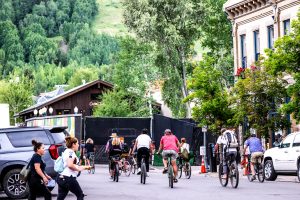
The city of Aspen’s Community Development and Engineering staff will communicate this spring to bike shops that for sale and repair fleets are not allowed in the Right of Way.