Pitkin County presses ahead on Phillips Mobile Home Park redevelopment
Planning and Zoning Committee overruled, concerns of residents to continue being addressed before the second reading

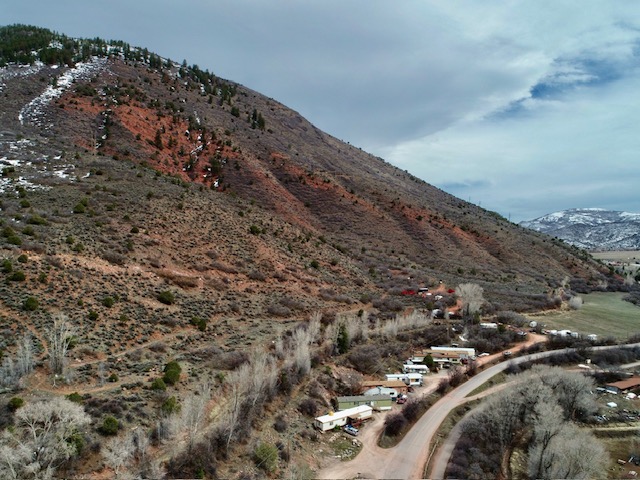
Pitkin County/Courtesy photo
The Pitkin County Board of County Commissioners voted Wednesday to override the Planning and Zoning Commission’s finding of non-conformance for the Phillips Mobile Home Park redevelopment, citing rapidly deteriorating and dangerous infrastructure.
The Phillips Mobile Home park was purchased by Pitkin County to help preserve affordable housing that otherwise would’ve been lost if the park had been sold on the open market. When Pitkin County purchased the park, commissioners knew of infrastructure challenges and conducted a Health Impact Assessment. The board has since focused on housing safety, wildfire resilience, and water and wastewater upgrades, incorporating resident feedback to preserve the community’s sense of place.
The mobile home park has “immediate concerns,” according to Joe Farstad, the regional vice president with Wember, a project management company, for water infrastructure improvement. Farstad noted the wastewater system is not fixable in the state it’s in; it needs to be replaced in its entirety. According to Commissioner Patti Clapper, there is a significant risk of the damaged system polluting the neighboring Roaring Fork River.
Farstad explained the Phillips Mobile Home Park redevelopment project would improve water treatment and wastewater treatment, as well as two new wells that can be used to acquire and treat water for domestic and primarily fire protection use. The project would also include a wastewater treatment plant near the river and a large water storage facility.
The proposed water storage facility was mandated to be large by local fire authorities, who need a certain amount of water and water pressure to fight structural and wildland fires in the area. Farstad said the redevelopment will also include more fire hydrants, as fire suppression is vital for this community. Currently, there is no fire suppression technology on site, including hydrants or water storage, and if there were a fire, the fire department would have to use only what they can bring to the site.
Because of the site’s steep topography, debris flow mitigation will be needed to reduce the risk of landslides and sloughs, Farstad said.
The project’s total budget has grown from $17.2 million to just under $18 million due to more complete contractor quotes, said Ashley Perl, Pitkin County’s community resiliency manager. Perl estimates monthly operating costs for the modernized system at $43,763, about $1,216 more than residents’ current monthly mortgage payments.
Adding roughly 40 affordable housing units to the park could offset those costs and expand workforce housing in the valley, Perl said. The additional density would reduce the monthly cost increase to between $550 and $750, depending on unit size.
The new units — a mix of fourplexes, duplexes and single-family homes — would add roughly 100 beds to the valley and include additional parking to address concerns raised by current residents.
A key design priority is clustered, rather than sprawling, development to avoid significantly increasing density in the rural area.
The Pitkin County Planning and Zoning Commission was constrained by the narrow, outdated mandates of Woody Creek’s master plan and was forced to deny the redevelopment, said Cody Horn, a land use planner with Davis Horn Inc. The BOCC, Horn said, is better positioned to weigh community values and workforce housing needs. He added that the board has a moral responsibility to address deteriorating infrastructure before it endangers residents, and that the master plan binding the commission failed to account for those conditions.
What’s happening in Aspen, in one click.
Sign up for our morning newsletter at AspenTimes.com/newsletter
The proposed redesign would yield about 2.6 units per acre, roughly half to one-third the density of comparable affordable housing developments such as Basalt Vista and Aspen Village. Any redevelopment would also need to maintain access to the RFTA stop at the site, Perl said.
Some residents say communication from developers has been unclear. Several in the Riverside community, located across the river from the redevelopment, noted that currently inhabited properties no longer appear on the proposed redesign map. Questions remain about the full costs of redevelopment and new unit pricing.
“Pitkin County is known for preserving rural communities,” resident Toni Kronberg said, adding that affordable housing has traditionally been built in urban development areas. Heather Henry, vice president of housing and childcare for Aspen One, urged the county to preserve the affordability of existing housing alongside any new construction.
Clapper said the failing infrastructure demands action, warning of cascading effects on the Roaring Fork River. She added that additional housing would help make existing units more affordable, allowing current residents to remain.
“We have to look at the interests of the entire community,” Clapper said. “I don’t want to delay it.”
Commissioner Greg Poschman, the lone dissenting vote, called for more resident outreach and a project rework before moving forward. He questioned whether increased housing would meaningfully offset costs for the county, and raised concerns about added strain on an already stressed water supply.
Commissioner Francie Jacober warned that further redesigns would delay urgent repairs, particularly given escalating wildfire risk.
“We’re not talking about a new development,” Commissioner Ted Mahon said. “This has been here for a long time, we would just be upgrading.”
Board Chair Jeffrey Woodruff stressed the BOCC has no intention of pursuing further development after the proposed redesign. To address concerns the project could open the door to future expansion, one proposal would transfer county-owned undeveloped land surrounding the site to Pitkin County Open Space and Trails, preserving it in its current state.
The board determined that infrastructure plans are now robust enough to proceed with adjusting rents and mortgage costs to market rates. Woodruff also said he hopes to develop a plan addressing the Riverside community before a second reading.
Riverside properties cannot be guaranteed protection until the hillside redevelopment is approved, Perl said. Because those homes sit on a floodplain with no utility access across the river, they cannot be designated permanent housing.
County Attorney Richard Neiley said the county is not required to guarantee housing to Riverside residents but would need to compensate them if they are required to vacate. Some residents expressed concern about potential eviction without compensation and asked for assurances they could relocate across the river once new units are built.
Pitkin County presses ahead on Phillips Mobile Home Park redevelopment
The Pitkin County Board of County Commissioners voted Wednesday to override the Planning and Zoning Commission’s finding of non-conformance for the Phillips Mobile Home Park redevelopment, citing rapidly deteriorating and dangerous infrastructure.





Aspen One’s CEO Dave Tanner gives update on state of the business
The future of the skiing industry is a more somber one than many might think.