Should Aspen continue to be the steward of Cozy Point Ranch?

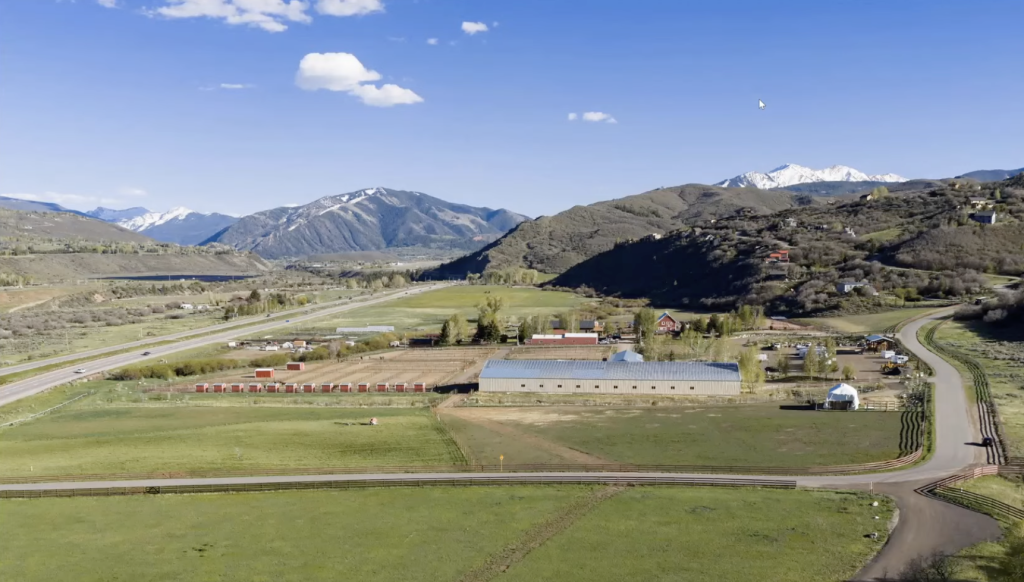
Courtesy photo
A presentation providing an update on the city-owned Cozy Point Ranch brought up the question on Monday at Aspen City Council’s work session if the city continues to be the best steward for the property.
Cozy Point Ranch was originally purchased by Jote Smith in 1890 and later sold and subdivided in the 1980s, according to the presentation. The city purchased the property in 1994, which Mayor Rachael Richards — who was part of council at that time — attributed to its potential for affordable housing, among other reasons. The management plan for the ranch was finally established in 2018, along with the ranch’s ultimate vision of “preserving our valley’s ranching heritage and fostering ecological and community health through innovative management approaches that provide locally grown food and enhance equestrian and agricultural operations while connecting the community with the land.”
“So what’s happening today?” said Aspen’s Open Space and Natural Resource Manager John Spiess. “What sort of value does this bring to the community?”
He noted that Cozy Point Ranch offers the Brush Creek riparian habitat, hiking, equestrian and Nordic trails, agricultural uses, food and hay production, summer camps that serve 4,500 campers each summer, historic structures, a venue for a variety of trainings, like large animal rescue and wildland fire and fuels reduction and more.
“It really serves a lot of uses,” Spiess said.
Aspen’s Landscape Architect and Construction Manager Michael Tunte also presented to council about Cozy Point Ranch’s grading and drainage improvements project and archery range and ranch operations area project. The grading and drainage improvements project addresses the large watershed that comes across the ranch parcel and into Brush Creek.
“What that had been doing is creating probles for many years,” Tunte said. “This wasn’t something that just happened … Since the city acquired the parcel, it was nearly 30 years that had passed before establishing a proper management plan. What it means in terms of what we inherited was that there was a lot of deferred maintenance.”
The first project includes improved drainage, improved water quality, enhanced arrival and transit, improved parking and vehicle flow, improved working ranch functionality and improved site organization.
The second project addresses the archery range area, which has had problems including informal parking at one area that encroached in native areas, mature composting occurring next to the public amenity, no setback for the Cougar Creek seasonal water way, ranch operations storage in native areas, a trail to the archery range identified as “severely compromised” and lack of shading.
“Over at the archery range, there were pretty serious issues happening,” Tunte said.
The project to reimagine the archery range received a grant from Colorado Parks and Wildlife, and he confirmed the agency carried most of the financial burden.
“We’ve seen a pretty significant uptick in the amount of archers and families that are out there using this,” he noted.
Spiess also brought up the Farm Collaborative’s new Regenerative Agriculture Learning Center on site, in addition to the new automated agricultural irrigation that will allow the ranch to better align with the city’s stage 3 water restrictions.
“This will be a significant transformation for the ranch moving from a system that literally has been cobbled together since 1994 to one that is automated and will provide significant efficiency gains, as well as allowing us to water at the appropriate time of day,” he said.
But Council Member Bill Guth requested to know what the cost was of both the projects that have been undertaken at the ranch and the yearly operational costs.
Remember, honor, and share life stories — sign up for the Aspen Times obituaries
Aspen Times Obituaries Newsletter
“Could you show us how much money the city of Aspen has spent on this facility for each of the past five years?” Guth asked. “I want to know what it costs to sustain it each year. I want to know what you’ve spent on projects … I’m a little disappointed it’s not prepared.”
While he emphasized that he believes in the work that the ranch is doing and even has a daughter at camp there, he questioned whether or not the city should continue being the owners of this property.
“I’m a big fan of this facility,” he said. “I think it’s wonderful. I just don’t think we at the city of Aspen are the right stewards of this property today. I don’t think that it makes sense for the city of Aspen to manage and own this complex piece of ranch property that’s so far outside of what we should be focused on for our community.”
Aspen’s Parks and Open Space Director Matt Kuhn confirmed to council that Cozy Point Ranch has a $190,000 operating budget annually, with $3-5 million spent across all projects.
Richards and Guth both agreed it would be helpful to receive a report of all the city’s landholdings in order to assess Cozy Point Ranch in that broader context.
“I’m open to having the conversation,” Richards said.
Guth noted that, while Cozy Point operations are important, he doesn’t believe it’s the most important thing that the city could do with the money that goes into it.
“Just because we acquired something … doesn’t mean it makes sense for us to be owners of that piece of property forever,” he said.
Should Aspen continue to be the steward of Cozy Point Ranch?
A presentation providing an update on the city-owned Cozy Point Ranch brought up the question Monday at Aspen City Council’s work session if the city continues to be the best steward for the property.


Aspen family donates land near Independence Pass for permanent protection
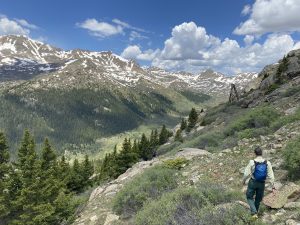
Two years ago, former Aspen City Manager Amy Margerum Berg donated 235 acres on the slopes of Mount Champion to the east of Independence Pass in memory of her late husband, Charles “Chuck” McLean, with the aim of protecting it from any future development.