Pitkin County Jail will continue to receive funding for behavioral health services
The contract to fund treating substance abuse, reducing recidivism and more was approved by county commissioners on its first reading
Anthony Prochaska Follow
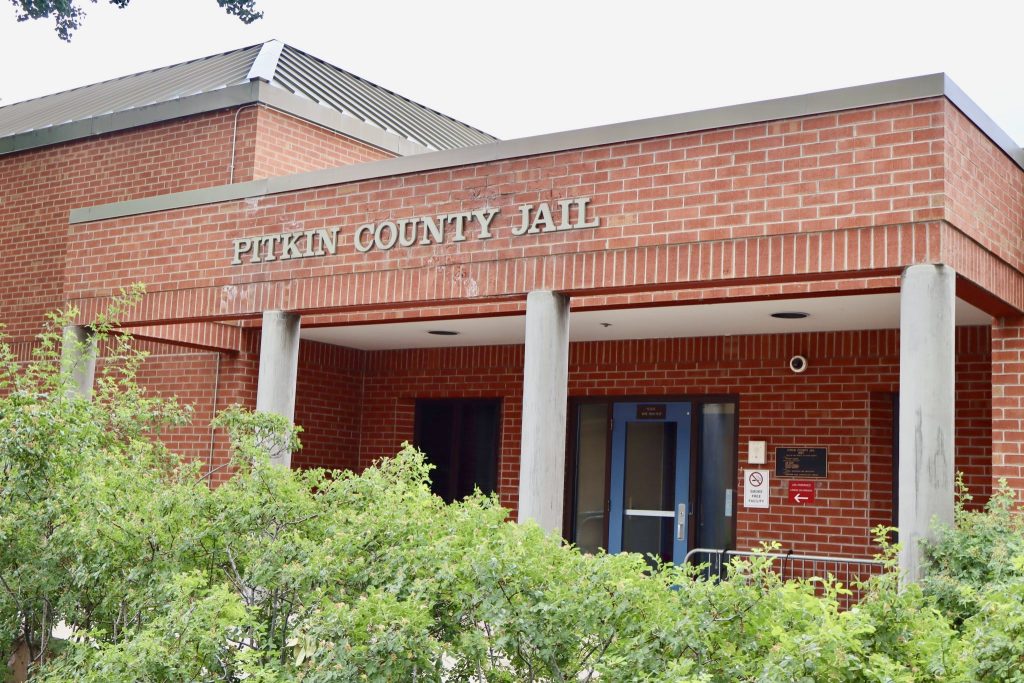
Madison Osberger-Low/The Aspen Times
A resolution to approve a contract providing grant funds for jail-based behavioral services was approved on first reading by the Pitkin County Board of County Commissioners during Wednesday’s meeting on behalf of the Pitkin County Sheriff’s Office.
The program is part of a larger, state-wide effort administered by Colorado’s Behavioral Health Administration “to provide appropriate behavioral health services to inmates while supporting continuity of care within the community after release from incarceration,” according to the state department’s website.
“I am here today asking you to approve our grant again this year for our jail-based behavioral services program,” Detentions Division Chief for Pitkin County Dan Fellin presented to commissioners. “This year’s funding amount is $180,000 and provides for our sub-contracted and mental health case management services at the jail, along with items we give out upon release to help support the people to not come back.”
Pitkin County’s Sheriff’s Office has been receiving grant funding through Colorado’s jail-based behavioral services program for a number of years, after its previous source of funding — a catchment grant through the Office of Behavioral Health — dissolved in 2019.
While the previous funding provided limited substance use and disorder treatment, the newer grants are offering substantial additional funds to focus on substance use disorder treatment, along with significant mental health treatment and opportunities to add additional transitional care coordination, according to a summary Fellin provided to the board.
“I just think it’s a great program, and I think it’s important to try and get people out with a good foot underneath them, so they don’t fall back into old habits, and have a starting point,” Commissioner Patti Clapper said.
According to data collected by the Pitkin County Sheriff’s Office between 2023 and 2024, those admitted to its JBBS program who had access to follow-up services had a 20% lower recidivism rate than persons not taking part.
What’s happening in Aspen, in one click.
Sign up for daily or weekly newsletters AspenTimes.com/newsletter
“If we can help these people and get them the services they need and connect them with services in the community, they’re less likely to come back and visit us again, which is the whole goal,” Fellin said. “If we can get somebody that comes in one time, we can support them when they get released, and they don’t have to come back, and we never see them aside from check-ins with our case manager. That’s a win for us.”
While the jail-based behavioral services address a broad range of mental health issues contributing to incarceration, substance abuse is one of the most prevalent, particularly alcohol abuse. In an effort to target these issues directly in Pitkin County, mental health professionals hold regular group and individual sessions, made possible in part through funding received in the grant. In 2025, over 100 group sessions and 365 individual sessions were hosted in the Pitkin County Jail, according to the Pitkin County Sheriff’s Office.
While the jail is responsible for meeting certain state requirements, Pitkin County does have leeway to use funds in ways it believes are most effective, Fellin added.
“While the state has mandates and deliverables for the grant funds, Pitkin County does have the ability to try and tailor things on a more local level in what we think might help,” he said.
He highlighted that some of the ways they do that is working with Recovery Resources, Aspen Police Department Human Service Officer Braulio Jerez, probation and more.
“When it comes to trying to be on the leading edge regarding corrections, especially for a small jail, our leadership firmly believes in and puts into practice ideas quickly when we can to help those we serve,” Fellin said.
The only question at the contract’s first reading came from Board Chair Jeffrey Woodruff.
“What do you give upon release, and do people leave with identification? It’s a cash question and a documentation question,” Woodruff said, referencing a recently proposed bill in the Colorado House requiring the department of corrections to provide an individual being discharged from prison, not county jails, with a “release allowance.”
“We give people things that would support them if they need,” Fellin said. “So if we have an indigent person who doesn’t have much when they come into jail, we provide them generally with a backpack, a water bottler, sometimes some food … anything we have on hand that we think could help them we generally try to provide.”
But he said that the county doesn’t have the ability on-site to generate documents for individuals.
“But if somebody needs a birth certificate and they’re in custody for a long enough time, we will work to get those documents mailed to us and pay for it with the JBBS grant,” he said.
Regarding cash allowance, Fellin said the jail does not provide cash upon release but will provide gift cards for groceries and similar necessities in certain situations.
The board unanimously voted in favor of the resolution, setting a second reading and public hearing for the next BOCC meeting on May 27.




Pitkin County could step in to save Maroon Bells from ‘red zone’
Pitkin County gave the go ahead on Tuesday to begin pursuing a special use permit to take over operations at the Maroon Bells Scenic Area from the U.S. Forest Service in light of concerns around funding and federal support.