Noise bill stalls in Colorado House as mountain towns grapple with vibrancy, resident concerns
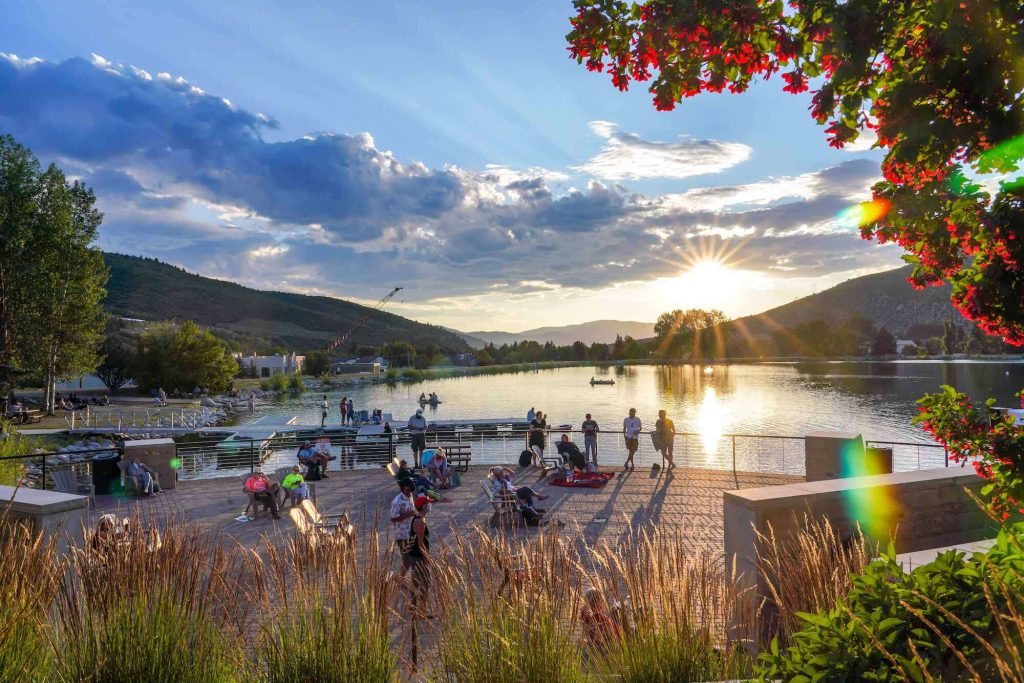
Photo by Jon Resnick
A bill that passed out of the Colorado Senate last month codifying the authority of local governments to issue noise permits for events that exceed the state’s Noise Abatement Act of 1971 appears to have died in committee on Tuesday.
The bipartisan State & Local Noise Abatement Authority bill (SB26-098) was a direct response to a Colorado Supreme Court ruling last fall that found in favor of a Salida homeowner who challenged the town’s approval of a noise variance for a local bar.
Proponents of the bill that failed in the Colorado House on Tuesday argued cities and towns have been issuing such noise permits for special events for decades and that such events are vital for economic vitality, especially in Colorado mountain towns. The Colorado Supreme Court ruled those permits can amount to government overreach when noise pollution impacts homeowners.
Much of the debate regarding SB26-098 centered on the Ford Amphitheater in Colorado Springs, which has been embroiled in controversy with its suburban neighbors since it first opened in 2024 and has caused confusion with concertgoers at Vail’s Gerald R. Ford Amphitheater.
Vail Town Manager Russ Forrest said he wasn’t tracking the legislation too closely but definitely supports local control of such issues. The town has been grappling with policies to make Vail more vibrant for local businesses, including how to incorporate more special events in ways that don’t antagonize local residents. Town officials have toured places such as Whistler Village — a competing ski town that does a good job of blending live music with private property rights.
Avon Town Manager Eric Heil said he didn’t think the new bill would have had much impact on the town at the base of Beaver Creek Resort.
“It doesn’t apply to Avon because everything we do in Avon’s is on a town-owned stage and there’s a town event,” Heil said of the Avon Pavilion at Nottingham Park. “So it’s really the Ford (Amphitheater) down by Colorado Springs … and venues like that that are private, where that’s an issue. I don’t think that law applies to Red Rocks because that’s the City of Denver.”
But Colorado Municipal League Legislative Advocacy Manager Beverly Stables said the Colorado Supreme Court’s Salida ruling “still creates ambiguity for local government-owned property where the local government — like Red Rocks is an easy example — (owns the venue) but they also contract with a third party to actually put the event on.”
In such a case, it’s unclear if the private concert promoter would be covered by the city’s noise permit. SB26-098, she argued, was an attempt to clarify that local government’s right to issue a noise permit, even if the concert promoter is a private third party.
Heil also acknowledged there is ambiguity regarding private venues in town.
“It could apply if somebody set up at, say, Loaded Joe’s, and we did an amplified sound permit, but usually that size band, like a local bar band, isn’t getting too loud,” Heil said. “And we rarely have that kind of activity in Avon. We’ve never had complaints from those private events.”
Ultimately, though, Heil supports the intent of the law, which was to give local officials the power to work with private property owners, promoters and local residents to deal with noise permitting for special events.
“On behalf of Avon, we support local control,” Heil said. “And I think those are decisions that need to be made at the local level. Absolutely.”
CML’s Stables says it’s all about finding a balance and keeping Colorado’s cities and towns vibrant economically while respecting the rights of local residents.
“What we’re trying to do with the Senate bill is, obviously, is we’re not saying that there should be absolutely no restrictions on noise. There is an impact to the community from excessive noise. There is also a huge benefit to these concerts and cultural events that local governments are weighing against some of the complaints from residents,” Stables said. “And it’s really difficult to apply a state standard throughout all four corners of Colorado.”
From a local business standpoint, Avanti F&B Director of Operations Denver/Boulder/Vail Travis Christ said it’s all about being a good neighbor.
“It’s a fine line to walk from the town perspective, and I don’t think anybody has the answer of what is it first, what is it second, how do you keep everybody happy? But for us, it’s about the community and it’s about our neighbors,” Christ said. “So we really try to talk to everyone.”
Christ is very supportive of the town’s efforts to support unique local businesses and diversify its entertainment offerings and the ski resort’s focus on bringing in a new generation of snow riders who are looking for value and fun when they come to Avanti in Vail’s Golden Peak area. But he recognizes that comes with a responsibility to respect Vail homeowners.
“That’s in all aspects,” said Christ, who was at Aspen’s Hotel Jerome before coming over to the Avanti. “You have to work with the neighbors. You have to work with the town. Keep your side of the street clean, so to speak. And if you do everything above board, then we feel like we don’t have anything to worry about when it comes to that.”
Original reporting from vaildaily.com


Nearly 2,000 ski instructors have joined lawsuit against Vail Resorts so far; opt-in deadline is Wednesday
Consent forms filed in federal court on Friday show that nearly 2,000 ski and snowboard instructors have joined a collective action against Vail Resorts, alleging Fair Labor Standards Act lawsuit against the company.