1968 plane wreck on Independence Pass remains to be cleaned up

Beau Toepfer/The Aspen Times
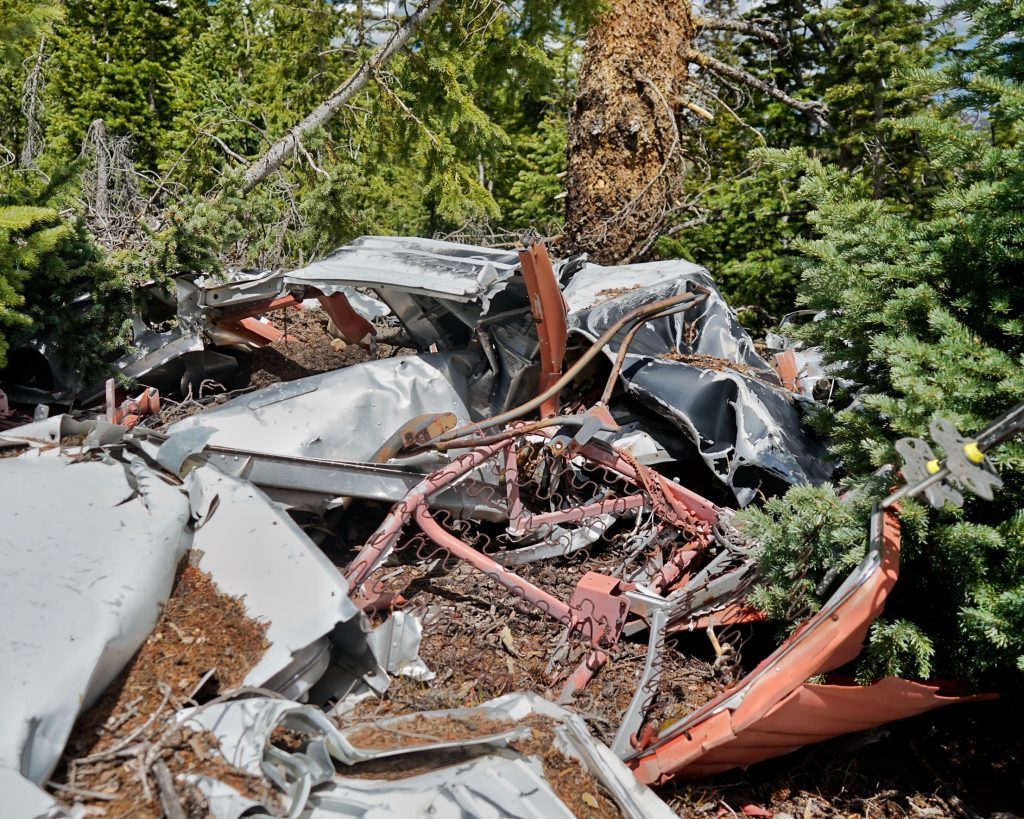
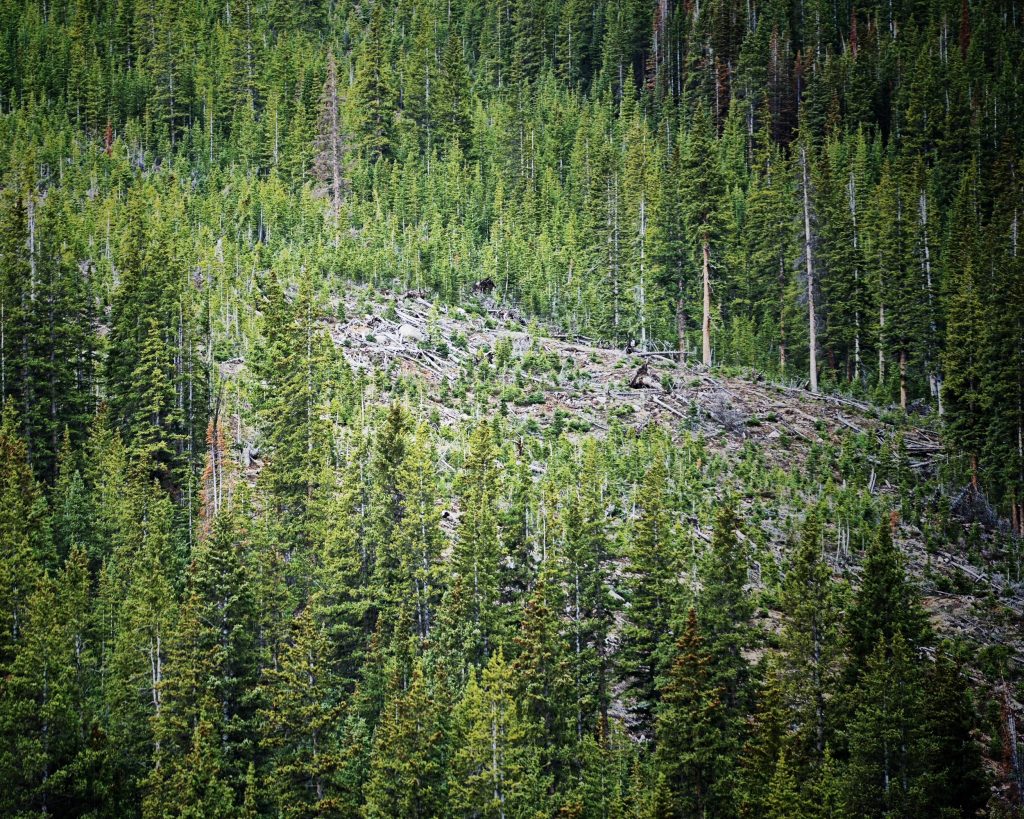
The wreck of a small aircraft that has been sitting in the trees above Independence Ghost Town and slowly deteriorating in the harsh subalpine environment for the past 58 years is still waiting to be cleaned up.
Independence Pass Foundation’s Executive Director Karin Teague suggested staffing and budget cuts to the U.S. Forest Service has positioned the plane clean as a low priority, similar to cleaning the bathrooms on the pass, which the foundation has been working to help subsidize.
“‘I’m not even sure that project should be on the list (of projects on the pass) anymore, as it’s become pretty low priority, especially in light of the situation with the Forest Service having lost so much staff and so much funding under the current administration,” Teague said.
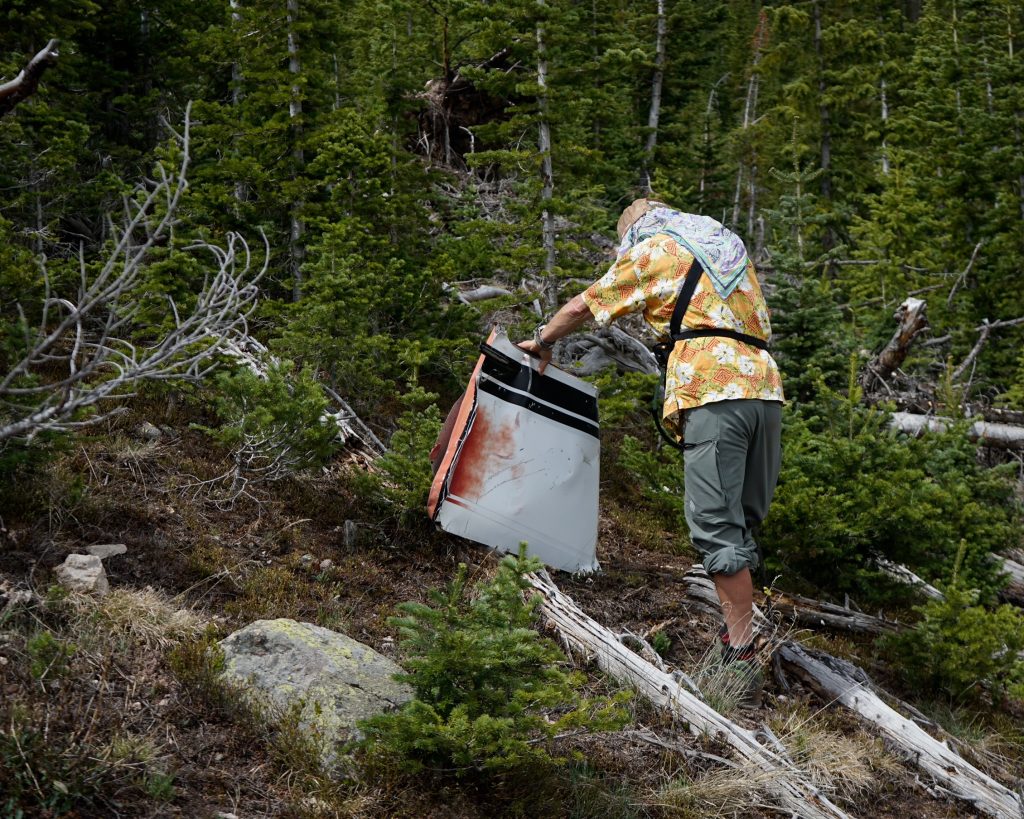
In the winter of 1968, a small aircraft crashed above Independence Ghost Town, killing the pilot and three passengers. Their bodies were recovered that winter, but the plane, hidden by trees, was left to the elements.
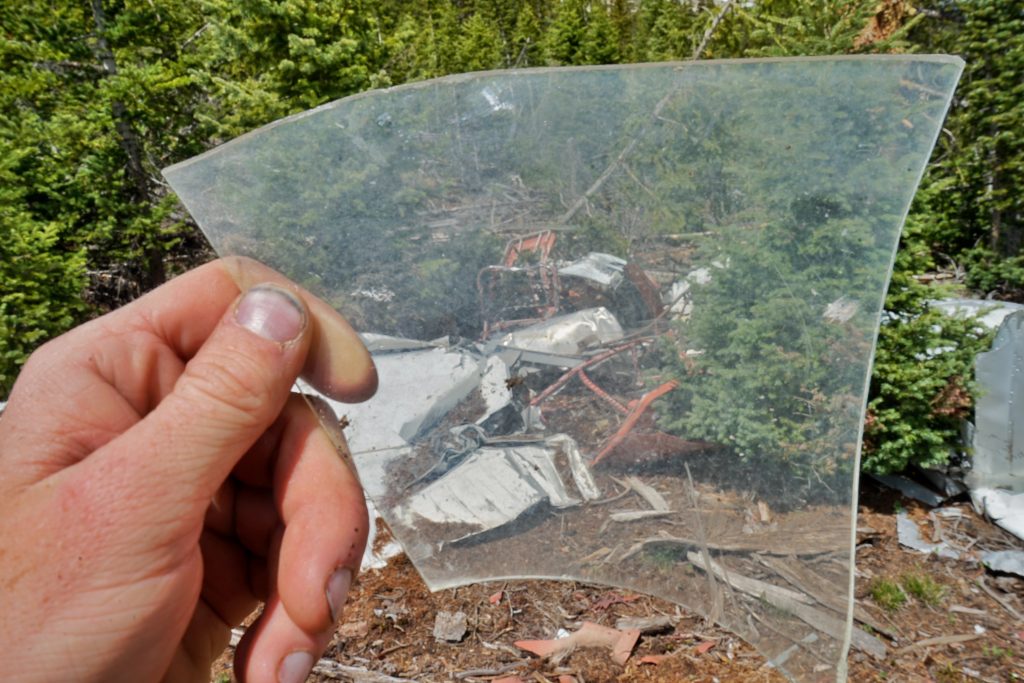
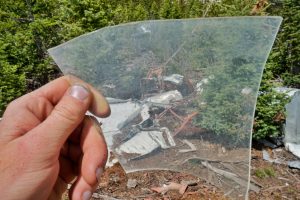
In 2019, a record-breaking avalanche cycle exposed the remains of the plane, putting it back onto the radar of the Independence Pass Foundation and the Forest Service. The plane has deteriorated into “thousands” of small, sharp fragments of metal and glass, making cleanup dangerous and difficult and requiring a professional cleanup crew.
According to Teague, a similar crew was used to clean up a plane crash on Midway Pass several years ago.
“There was a plane wreck in the Midway Basin on Independence Pass several years ago, and that was that plane was removed by a professional crew using helicopters, so when it’s possible to do that, I think that is (the Forest Service’s) preference,” she said. “This one is so old and so broken apart that it’s going to take a lot of work on the ground to get it all bundled up, is my understanding.”
David Boyd, the forest service’s public affairs officer for the White River National Forest, noted that the 1968 crash’s location in a wilderness area, and need for a professional reclamation crew, makes cleanup difficult — it requires little to no use of motorized equipment or tools and could require a helicopter or manpower to remove the material after it is broken down.
“We might do (the cleanup) in the future, but it is not a priority for the White River National Forest, especially given that it would require professional removal,” Boyd wrote in an email.
According to him, the Forest Service is not “aware of any environmental hazard” from the plane wreck. Teague also noted that it likely poses little risk to the environment, as it is not leaking fuel and animals are often “pretty savvy,” she said, knowing to stay away from the site.
“It’s not near any trails, it doesn’t pose any hazard, certainly to humans,” she said. “It’s always nice to get sharp metal and things like that out of the wilderness, of course, but at this point, I don’t see that anytime in the near future.”




Pitkin County moves into Stage 1 Fire Restrictions June 10
Pitkin County Sheriff Michael Buglione will implement Stage 1 Fire Restrictions effective noon on Wednesday, June 10, due to increasingly dry conditions and elevated wildfire risk.