Here’s what Colorado boaters, paddlers and hikers need to know as as summer recreation activities kick off in the mountains
Colorado state law requires boaters to carry a life jacket and wear it if they are under 13

Staff report Follow
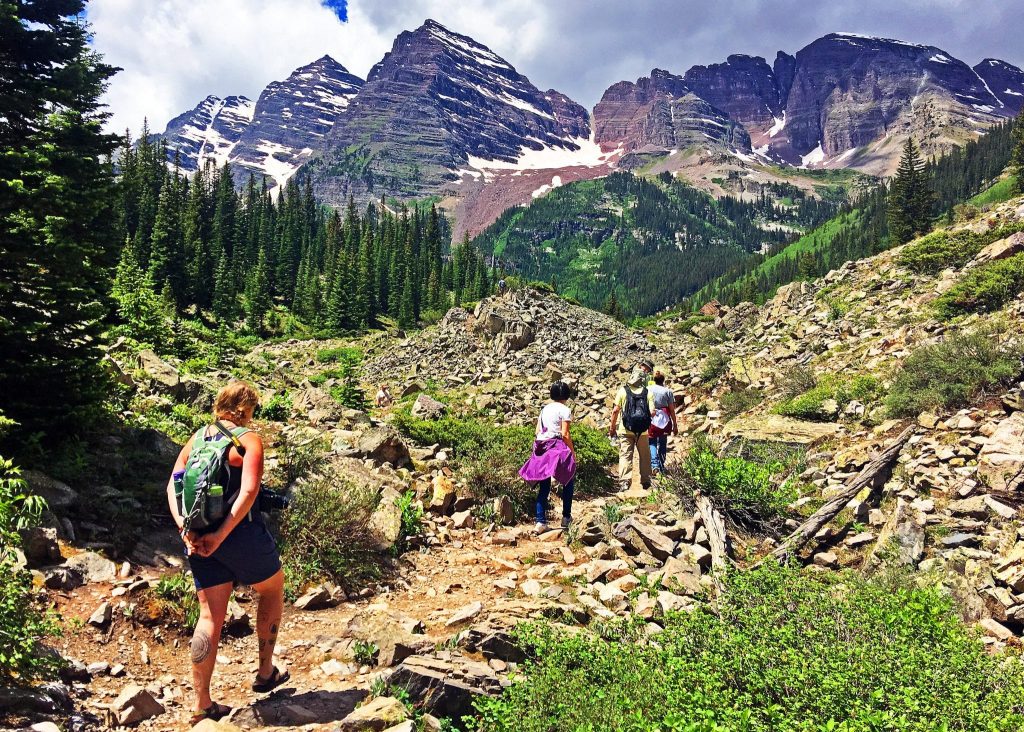
Austin Colbert/The Aspen Times
As the weather warms, Coloradans and out-of-state visitors are getting outside to enjoy summer recreation activities such as hiking, camping, paddleboarding and kayaking.
With more and more people getting outside, Colorado Parks and Wildlife is encouraging those who are planning to recreate to prepare before leaving, practice safety — especially on the water — and be respectful of wildlife and the natural environment.
No matter the activity, there are risks like unpredictable weather, lingering snow, muddy trails, cold water temperatures and strong currents in rivers and streams, according to a news release from the state parks agency.
Anyone getting outside should plan ahead and choose their location based on the weather forecast and their activity based on their skill level, the release states. Camping reservations are required at most state parks.
Colorado Parks and Wildlife offers a guide to state parks on its website as well as additional information on recreation safety.
Boating and River Safety
Every year, there are dozens of water-related deaths in Colorado, many involving people who were swimming, boating, paddleboarding or kayaking. Most of these fatalities involve people who were not wearing a life jacket.
Colorado’s snowmelt-fed streams, rivers, lakes and reservoirs can be especially cold, so much so that even strong swimmers can find themselves in trouble, according to the news release. If a person falls in frigid water, they can experience “cold-water shock,” an involuntary response to sudden immersion in cold water that can cause a loss of breathing control and muscle cramps.
“Being prepared — including knowing your limitations, wearing appropriate clothing or gear and ensuring you know CPR and first aid — is the best way you can reduce the risk of a cold water emergency,” said Andrea Miller, regional chief executive officer of the Red Cross of Colorado and Wyoming in a statement.
Life jackets, also known as personal flotation devices, or PFDs, “truly save lives,” according to Colorado Parks and Wildlife. It is recommended that anyone recreating on or near the water wear a properly-fitting lifejacket at all times, no matter their experience level.
Under Colorado law, each person aboard a vessel — including kayaks and paddleboards — must have a U.S. Coast Guard approved life jacket on board and all children under 13 must wear the life jacket when on a vessel.
Colorado Parks and Wildlife offers free life jacket loaner stations at most state parks. There are no lifeguards on duty at state parks in Colorado, according to the news release.
Anyone boating should also remember that heavy rain or snowmelt can quickly raise water levels on rivers and, especially during a low-snow year, streamflows can be inconsistent with rocks and unmarked hazards below the surface, the release states.
High winds and thunderstorms can also appear quickly and present a danger to boaters. The state parks agency suggests always boating with a partner and carrying a whistle or other sound-making device that could be used to call for help.
Boaters should also remember that alcohol can impair judgement, balance, vision and reaction time. It is illegal to operate a motorized vessel while under the influence in Colorado, and the effects of alcohol can be stronger while on the water, according to Colorado Parks and Wildlife.
With the discovery of aquatic nuisance species, like zebra mussels, in water bodies in Colorado, the state wildlife agency is also requiring boaters to “clean, drain and dry” their boat, equipment, waders and boots, to avoid further spread of these harmful species.
Hiking
Anyone who is hiking should carry layers in case of a sudden change in weather, remain on designated trails and respect trail closures, according to Colorado Parks and Wildlife. Sturdy footwear is also important, especially on wet and muddy trails.
Colorado Parks and Wildlife also asks that people leave plants, wildflowers, rocks and historical items as they found them so as not to harm ecosystems and to leave the parks enjoyable for others.
Hikers can find trailheads and information about closures by downloading the COTREX app on their smartphone.

Pitkin County could step in to save Maroon Bells from ‘red zone’
Pitkin County gave the go ahead on Tuesday to begin pursuing a special use permit to take over operations at the Maroon Bells Scenic Area from the U.S. Forest Service in light of concerns around funding and federal support.