Climbers on ‘classic’ Independence Pass rock climbs

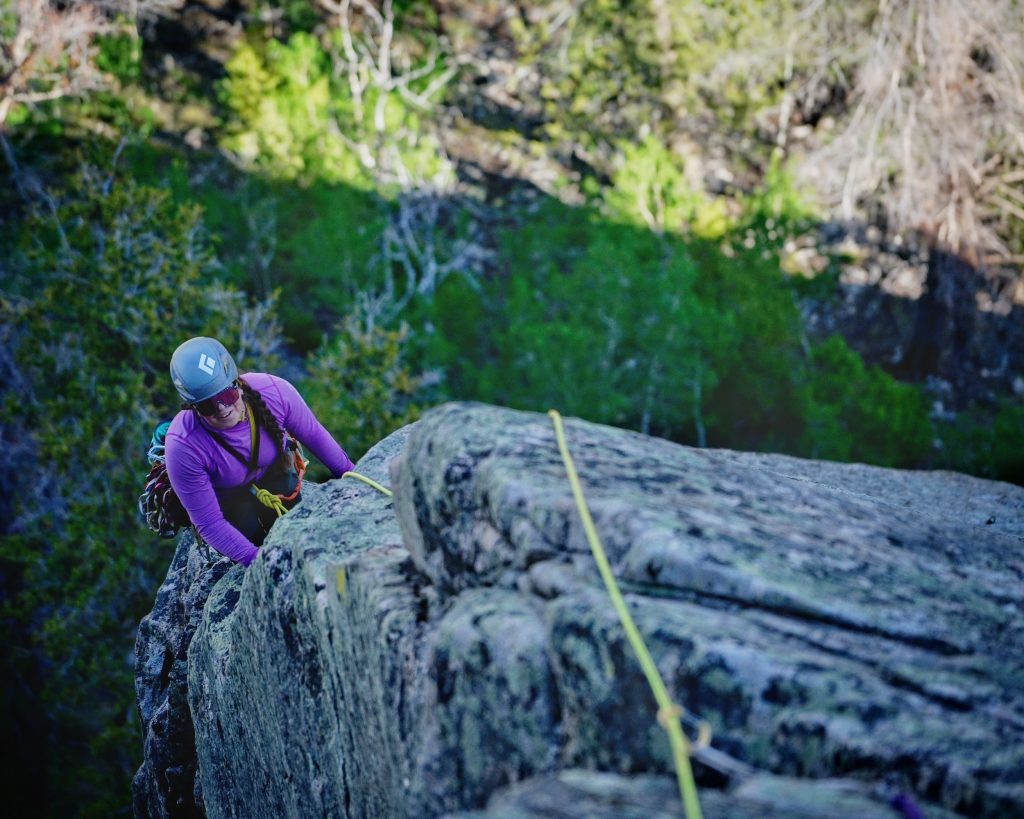
Beau Toepfer/The Aspen Times
Perched high above Weller Lake is a Quartz Monzonite wall around 300 feet tall with one particularly striking line called “Ultra Edge,” taking the right-hand edge of the massive, smooth slab on the right-hand side of the formation, according to Mountain Project, an online platform for climbers to find information on routes.
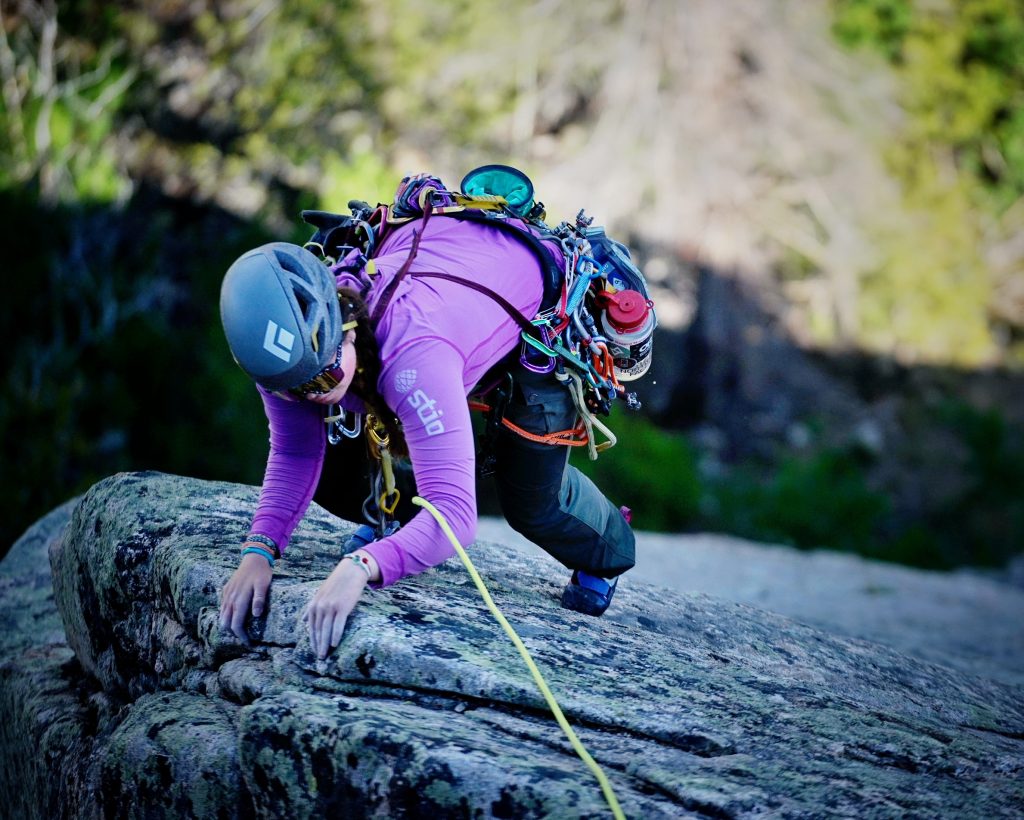
Weller slab is visible from Highway 82 and sports around 15 climbing routes, according to an Independence Pass climbing guidebook. The routes range from 5.7, a relatively easy route, to 5.11d, a much harder but still accessible route to many high-level climbers. Many of the routes were first climbed by a prolific climber and Aspen local, Harvey Carter, who helped pioneer rock climbing on the pass and first ascended many now famous rock climbs, including “Ultra Edge,” a 5.9 R-rated route, meaning it is moderately difficult, but a fall at certain places could result in serious injury.
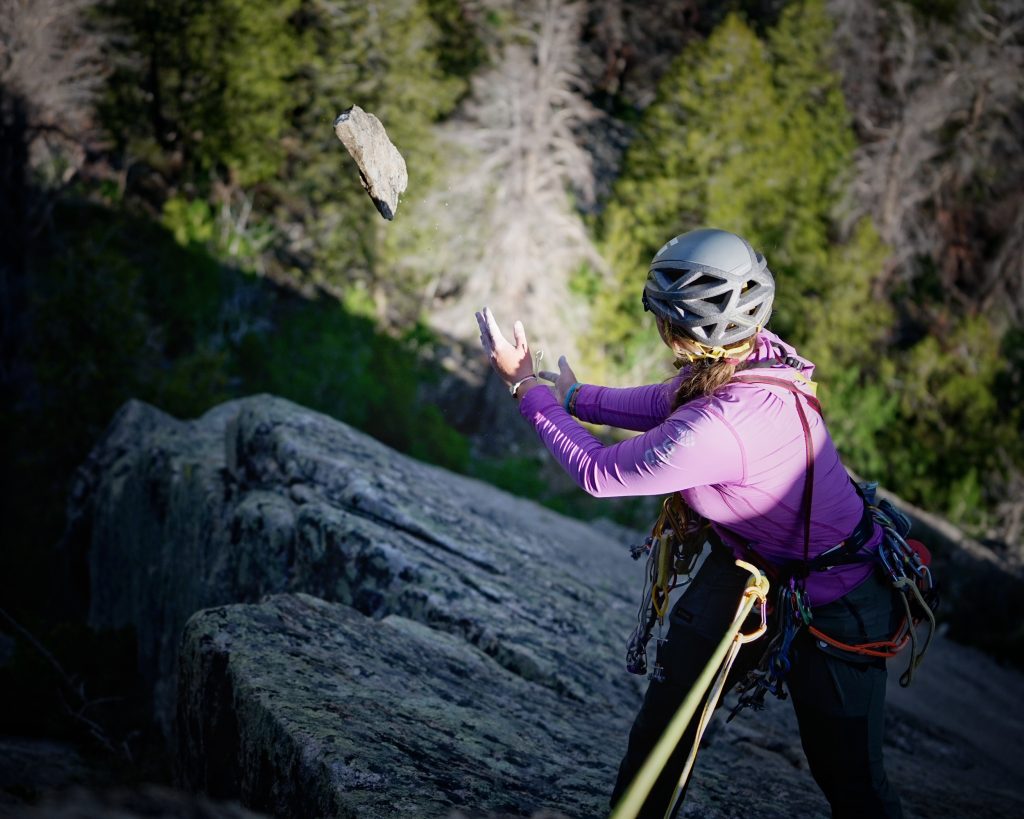
Carter often climbed with pitons, or metal spikes that can be hammered into cracks and then clipped into the rope, many of which still litter Weller slab. Ultra Edge has two, according to local climber Zala Smalls, who climbed the route on Monday, one that may support a fall and the other that likely wouldn’t. According to an Independence Pass climbing guidebook, Carter first climbed this route in 1970 with fellow climber Tom Merril, and those pitons were likely placed by Carter around that time.
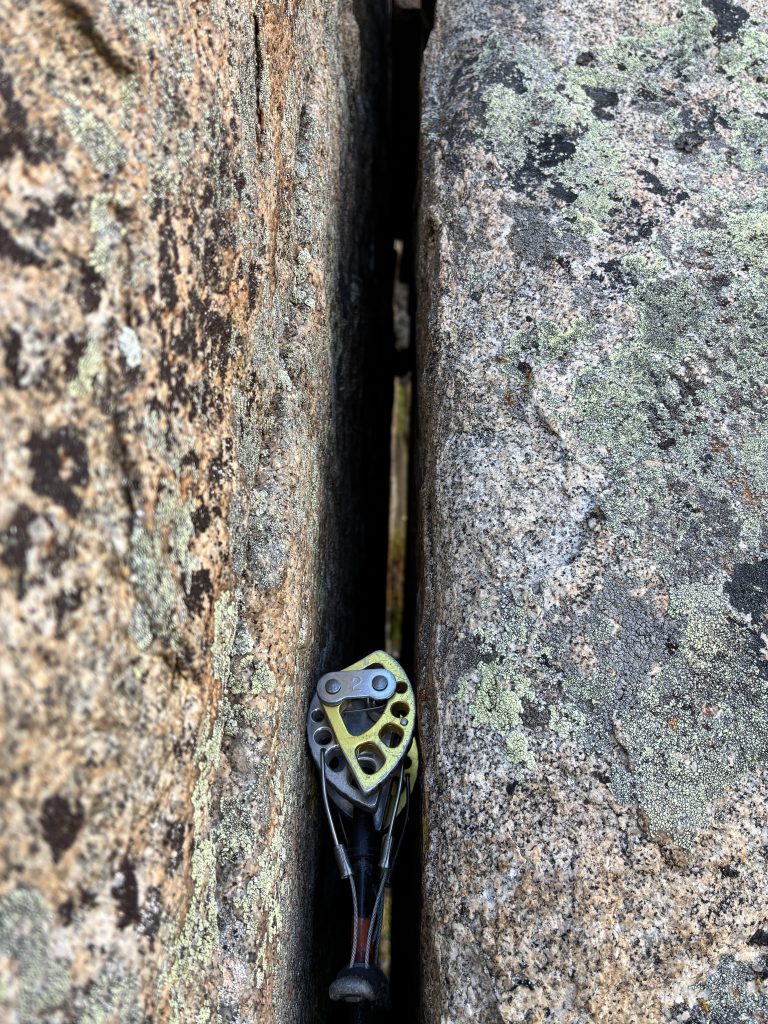
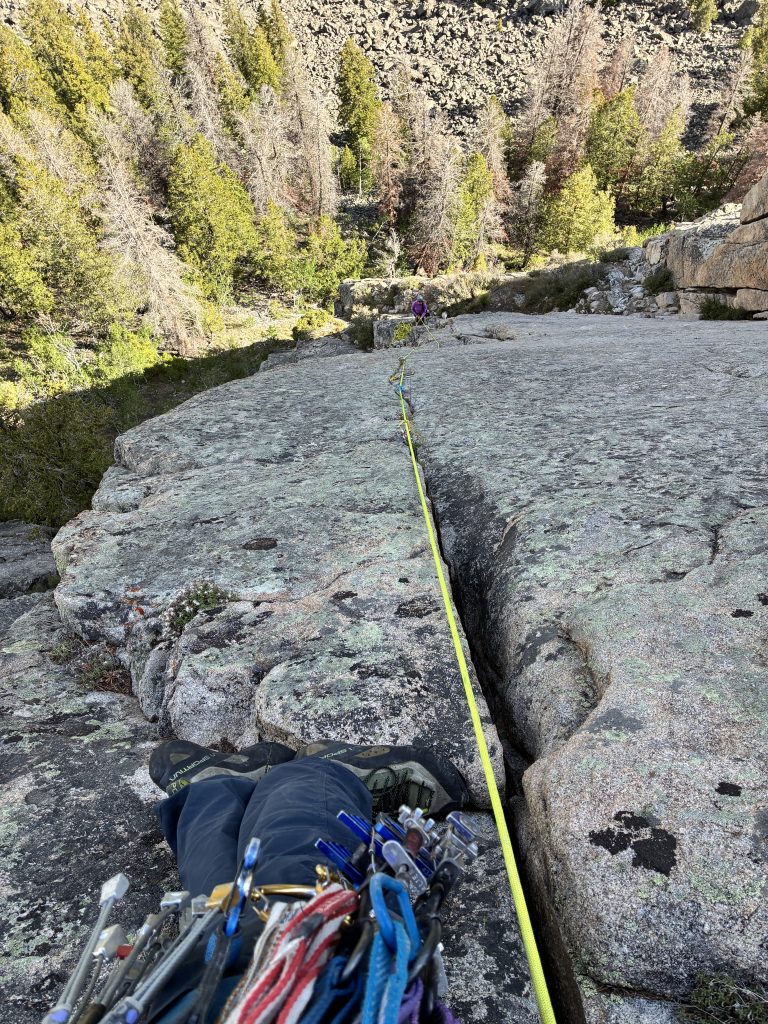
The rest of the route is protected by one more modern bolt and traditional climbing protection like cams and nuts, which can be placed in cracks by the first climber and removed by the second. Because the route is around 300 feet long, it is split into two pitches, or rope lengths, meaning the first climber stops partway up to bring up the second climber, before continuing to the next pitch. The second pitch of Ultra Edge is often thought of as the best pitch, according to ratings on Mountain Project, and has climbing ranging from difficult moves with few holds to 30-foot sections of finger cracks, or a crack that is thin enough it can only fit one finger across it, requiring a specific climbing technique called “jamming” to climb it.



Skier-focused hospitality brand launches in Aspen
A new hospitality brand, First Chair, has launched in Aspen as of June 1, with a focus on providing experiences for the diversity of skiers who travel to the area.