WineInk: Why wine tastes differently

Kelly J. Hayes Follow
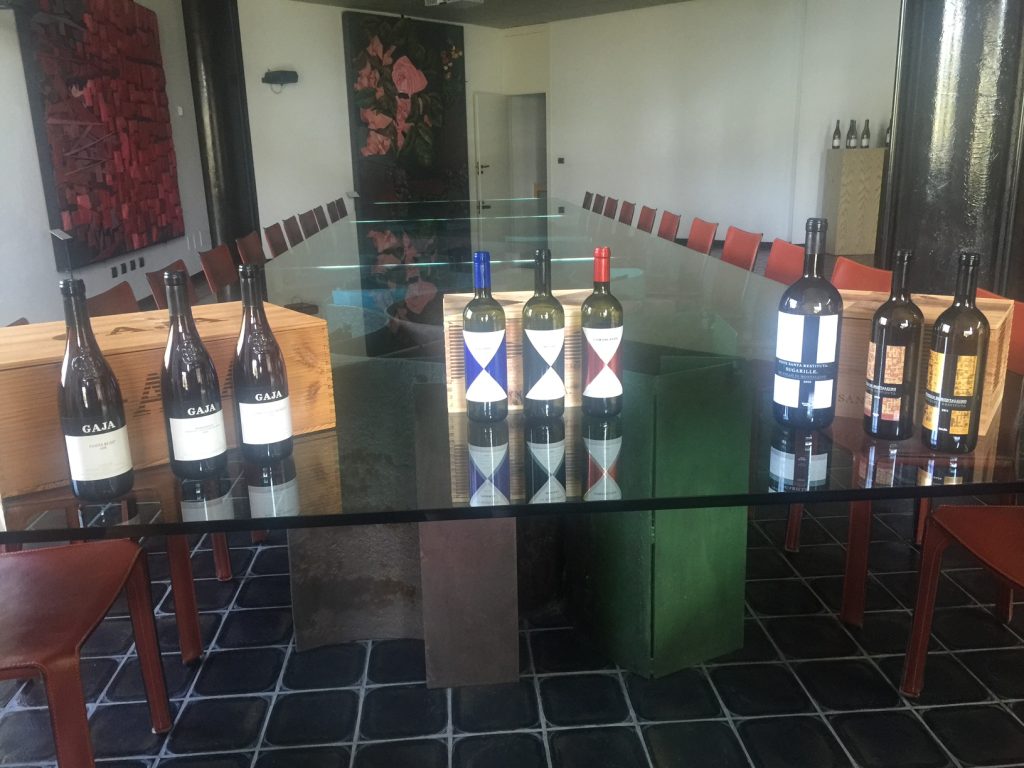
Kelly J. Hayes/Courtesy photo
There are no bad questions in wine.
But I was a bit taken aback by a question asked by a young man who found out I write about wine. He had been a guest at a local restaurant and had the good fortune to have been served a bottle of fine Italian wine.
He couldn’t remember the name of the producer, but the wine made enough of an impression on him that he distinctly recalled the label on the bottle. “It had two blue triangles that met in the middle of the bottle,” he explained as he drew an image in the air with his hands.
It sounded familiar, and after a while, it came to me. It was an Italian wine from the iconic producer Gaja. But not one from Piedmont, where they craft their magnificent and legendary Barbaresco and Barolo wines. The blue triangles meant it was from the Gaja Ca’Marcanda project in Bolgheri in Tuscany, which I had the pleasure of visiting a decade ago. It may even have been the Promis — a really interesting wine from the coastal winery that had made an impression on me as well. My friend said he really enjoyed the wine and then asked “What makes wines taste differently from each other?”
It seems like a simple question. But when I started to think about it, there are hundreds, if not thousands, of things that separate one wine from another. If you walk into a wine shop, what you’ll find on the walls or in displays is not just bottles, but also stories in each one about what gave it its flavor and character.
Begin with the grapes, as they are the basis of wine. It is said there are somewhere between 5,000 and 10,000 different varieties of what is called vitis vinifera, or a common grape vine that can make wine, on the planet. Making wine from grapes is as simple as crushing them, adding yeast and waiting for the juice to ferment. But to make good wine, there are less than a hundred different varieties that used that make the vast majority of global wine production. You know the “big names” cabernet sauvignon, pinot noir, chardonnay and sauvignon blanc, but you may be less familiar with say, saperavi, a bold red grape from the country of Georgia, or the Grecian white wine grape assyrtiko — but both grapes are significant players in the fine wine cultures of their respective nations.
In the case of Gaja, there are myriad grapes used to make their wines. The Barbaresco and Barolo wines are the products of 100% nebbiolo grapes grown in Piemonte, while the Ca’Marcanda wines use Bordeaux varieties like cabernet sauvignon, merlot and cabernet franc that are grown for some of their wines. The previously mentioned Promis is a blend of merlot, the Rhône variety syrah and the Tuscan variety sangiovese.
So, the first thing to know about what makes a difference in how any given wine will taste is to think about the grapes. Some red grapes make wines that are bold and intense, while others are floral and fruity. White wine grapes can exhibit a multitude of different aromas, flavors and textures. Individually, or as part of a blend of different varieties, wines are defined by the grapes they are made from.
Next up is location, location, location. The French have a word to describe where grapes are grown and where wines are imbued with their character. The word is terroir (pronounced “tehr- wahr”), and it refers to the confluence of environmental factors that have an influence on a given agricultural region or vineyard. These include the geographic location, which dictates the angle that the sun will shine through the year; climatological conditions, which determine the temperatures, the direction of the winds and the amount of moisture the region will receive; and, of course, the soil composition, which will affect the roots of the vines that host the grapes. But “terroir” is more than just science; it is an ethereal word that also indicates the indescribable “vibe” of a place.
Different grapes require different terroir. Cabernet Sauvignon basks in the long, hot summer days found in California’s Napa Valley, where they can ripen to maximum effect. Pinot noir prefers the cooler climates and the limestone soils of Burgundy or the fog-shrouded influence of a coastal locale like the Sonoma Coast. Syrah thrives in the stony granite soils of the Côte-Rôtie in the Northern Rhône region of France. And yet, each of these varieties can be planted in faraway locations and develop personalities that reflect that terroir. “A sense of place” is an expression often used to describe the taste of a wine, and when you hear that, think of terroir.
So, grapes and terroir are key components for how a wine tastes, but, as wine is an agricultural product, we can’t overstate the influence of man in the process. The winemaker has a say in how a given wine will taste, and that say will begin in the vineyard with how the vines are planted and maintained. There are significant decisions made about which clones to use, what kind of pruning techniques and canopy management to employ and whether to use pesticides. Once fall arrives, the winemaker must correctly “call the pick,” making the determination of the exact time to harvest the grapes.
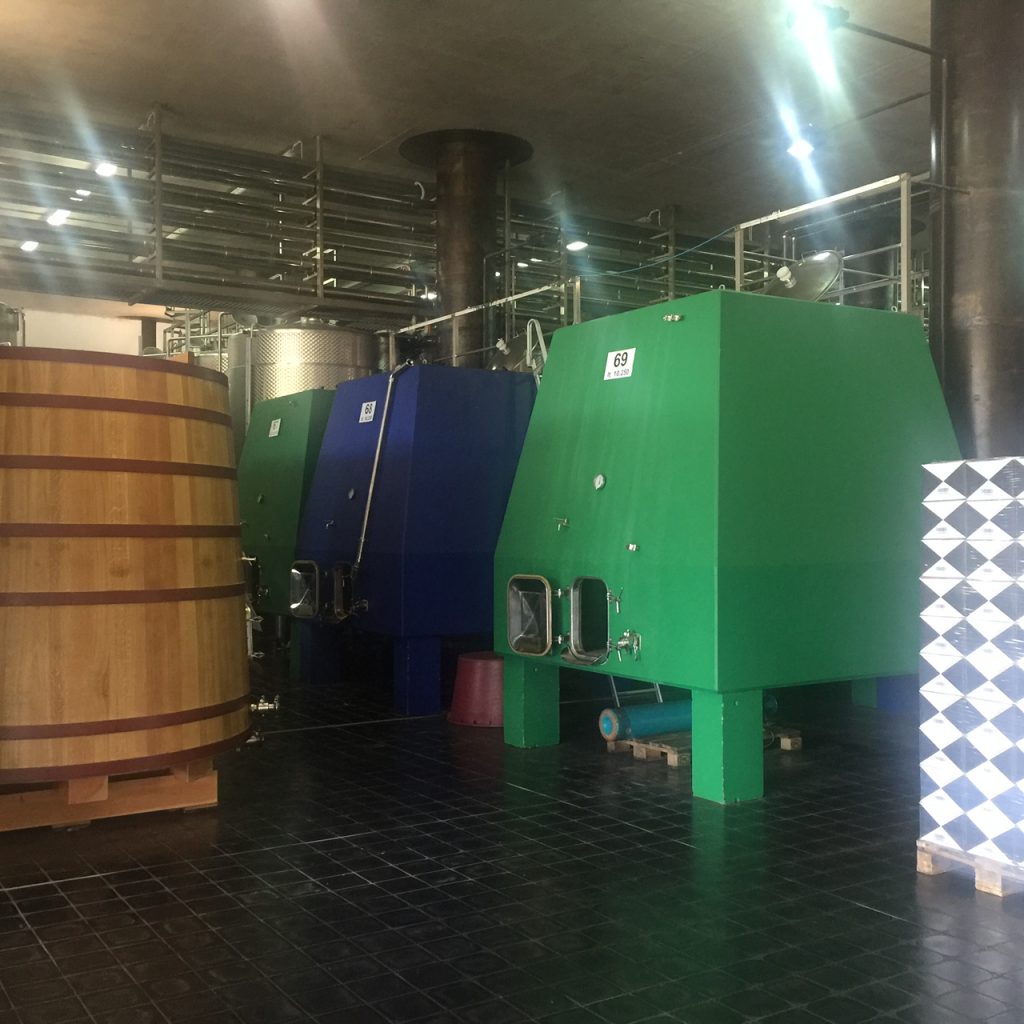
And when the grapes reach the winery, the process quickly turns to production, and the human touch expands. Winemakers are tasked with hundreds of decisions about how to ferment and then age the wines they are making, always with the intent of making them reach the taste parameters they hope to achieve. Timing is critical as the fermentation takes its path, and eventually, patience becomes the virtue as the wines age. Some wines age in barrels, while others are made in steel tanks or concrete amphorae. All will have an impact on the way the wine will taste when it is finally poured into a consumer’s glass.
There are no bad questions in wine. And sometimes the simplest are the hardest to answer.





Sale, repair bikes not allowed in Aspen’s Right of Way
The city of Aspen’s Community Development and Engineering staff will communicate this spring to bike shops that for sale and repair fleets are not allowed in the Right of Way.