Occupancy dropped across Aspen, Snowmass
Area sees softer international demand, report says

Austin Colbert/The Aspen Times
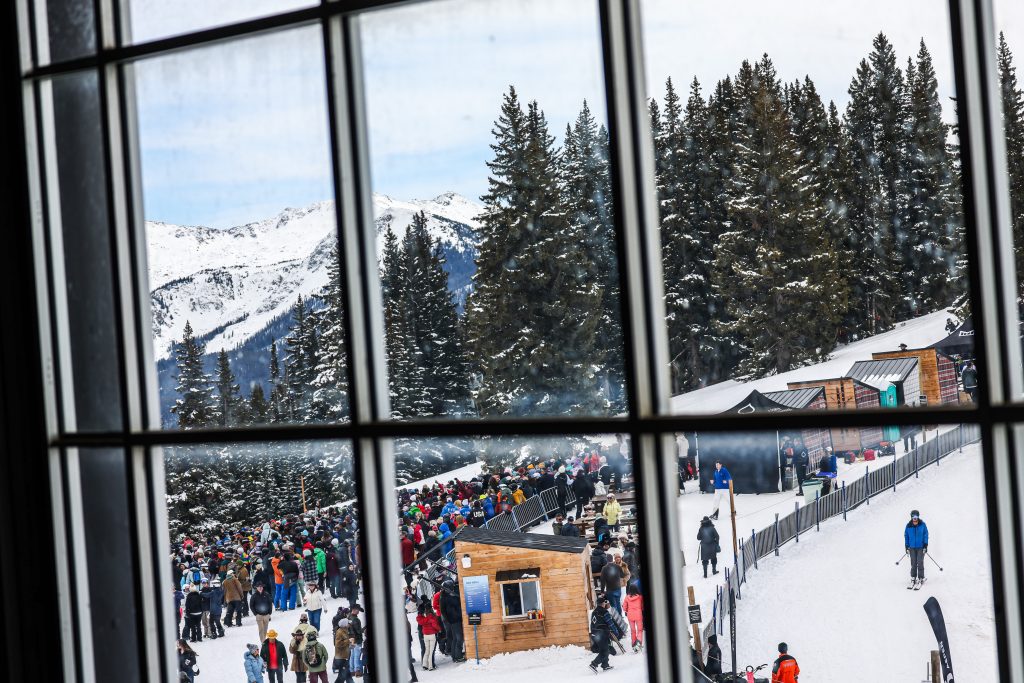
Aspen and Snowmass have seen lower occupancy this winter compared to last.
In their mid-winter occupancy report, Aspen Skiing Company, the Aspen Chamber Resort Association and Snowmass Tourism mentioned factors that have affected a lack of international travel demand to the area.
“This season, softer international demand reflects ongoing currency pressure, continued price growth, and broader negative sentiment around travel to the U.S.,” reads the mid-winter report.
Between November and April, Aspen and Snowmass occupancy are pacing 5.5% below last year, with 49.6% occupancy. The town’s occupancy revenue, however, is “running flat” year-to-year because hotels have increased their average daily rate — the rate lodging charges for a night of stay — by 5.9%.
Aspen and Snowmass occupancy was down by 0.7% in November, for a total of 23.8% rooms filled. Aspen landed at 32.8%, Snowmass at 12.4%.
The towns saw lodging occupancy 5.3% lower than last year in December for a total of 51.2% rooms filled. Aspen saw 57.1% occupancy, 9.1% lower than last year, and Snowmass reported 45.2% occupancy, 0.9% lower than last year.
Aspen and Snowmass’ January occupancy also dropped collectively by 4.2%, for a total of 68.9% occupancy. Aspen tallied a 5.9% drop for a total of 69.3% rooms filled, while Snowmass recorded a 3.3% for a total of 68.5% rooms filled.
What’s happening in Aspen, in one click.
Sign up for daily or weekly newsletters AspenTimes.com/newsletter
Inbound and outbound Aspen/Pitkin County Airport passenger numbers were, on the whole, down compared to last winter. November’s passenger numbers were down 1.5% from 2024, December’s were up 2.9%, and January’s were down 2.4%.
Bill Tomcich, consultant of Fly Aspen Snowmass, said the year-over-year uptick in December was due to a combination of factors, including unseasonably favorable flying weather, which prompted higher flight completions, along with new airport approaches flown by the Embraer 175.
The drop in January, he said, was in part due to numerous American Airlines cancellations from Dallas Fort Worth and Charlotte Douglas international airports after Winter Storm Fern clobbered much of the central and eastern United States in late January.
However, the airport this winter also succumbed to the effects of a decline in international travel, he echoed.
“Theres no question that international travel is down,” Tomcich said. “International demand in particular.”
With that, he remains optimistic that the season could see a rebound in travelers, given the recent snow, the substantial amount of ski season remaining and the Aspen/Pitkin County Airport’s flight deals. Airlines have agreed to keep their lower ticket rates available until just seven days before departure, rather than raising their rates within 21 days of the flight, as is typical.
Tomcich said airlines are offering the same deal with many mountain towns to encourage last-minute bookings.
“It’s never been more affordable to plan a last minute trip, particularly from an airfare perspective,” he said of flying to Aspen.
Skyler Stark-Ragsdale can be reached at 970-429-9152 or email him at sstark-ragsdale@aspentimes.com.