How Colorado has spent the millions generated from the Keep Colorado Wild Pass
Pass sales increased 5% in its third year, supporting state park maintenance, local search and rescue organizations, the Colorado Avalanche Information Center and more

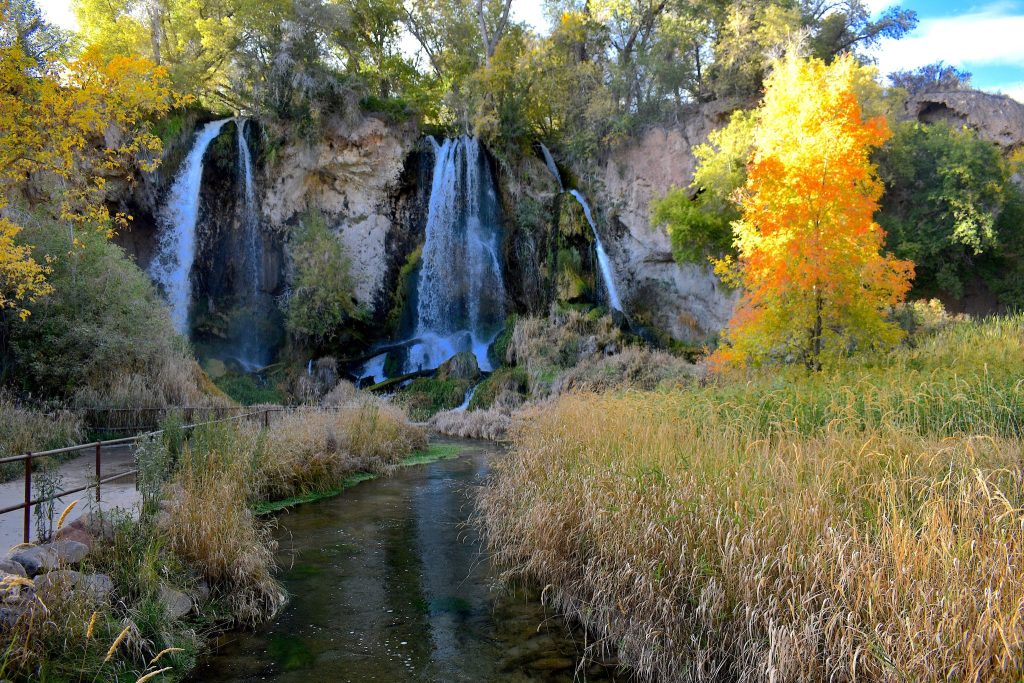
Julianna O’Clair/ Post Independent
In 2021, Colorado lawmakers created a new, discounted annual state parks pass to generate additional revenue for Colorado Parks and Wildlife. Since its launch in 2023, the Keep Colorado Wild Pass has brought in around $146 million in revenue through June, supporting state park maintenance, local search and rescue organizations, the Colorado Avalanche Information Center and more.
Compared to the traditional $89 state parks pass, the Keep Colorado Wild Pass is offered as an optional $29 fee during Coloradans’ annual vehicle registration. In 2026, around 28% of vehicle registrants opted in to purchase the pass.
At Parks and Wildlife’s Wednesday, Nov. 4 commission meeting, Justin Rutter, the agency’s chief financial officer, said that while the agency anticipated an initial “drop-off” in sales after the first year the pass was offered, it has seen the opposite.
Each year, sales of the pass have increased, rising 5% in its third fiscal year, ending June 30, to generate $43.5 million through the sale of 1.6 million Keep Colorado Wild Passes. The pass generated $39.7 million in its first year and $41 million in its second.
These sales have resulted in the decline of traditional annual and daily state park pass sales — a drop of around $18 million in the past year, Rutter said. In 2026, the number of traditional passes sold in 2026 was down 83% from the two-year average for fiscal years 2021 and 2022, Parks and Wildlife reported.
The Keep Colorado Wild Pass, however, has helped offset these losses, Rutter said. Overall, revenue from all pass sales — including both Keep Colorado Wild and traditional passes — has grown by around 79% when compared to fiscal years 2021 and 2022.
David Porter, Parks and Wildlife deputy chief financial officer, said that the new pass was actually one of two things that helped turn things around at Parks and Wildlife. The other was a bill known as the Hunting, Fishing and Parks for Future Generations Act, which allowed the agency to increase licenses, passes and fees in line with inflation.
“What we see prior to Future Gen and prior to Keep Colorado Wild, we were barely making ends meet,” Portser said, adding that “license and pass revenue was fairly stagnant,” and Parks and Wildlife was “losing ground on pay and operations, and also, we had a growing backlog of capital projects and substantial deferred maintenance.”
“On the park side of the agency, as we approached year-end, we would actually be almost completely depleted in our cash funds, and often needed to get loans from the Treasury while we awaited some of the late-breaking revenue from the end of the year,” he said.
Then, the bills for the vehicle registration add-on and the inflation increases were passed.
“They worked,” Porter said. “… We were able to turn things around.”
Specifically, revenue generated from the Keep Colorado Wild Pass has helped Parks and Wildlife increase staffing and state park operations, work on the backlog of maintenance and construction projects at parks and on trails as well as develop a new Fishers Peak State Park. The money has also gone to support the purchase of new equipment and vehicles for search and rescue organizations, support the state’s avalanche safety projects and outdoor equity grants, and more.
The agency details these efforts in a 2026 report on the pass.
The agency reported that the initial $32.5 million in pass revenue was dedicated to state park maintenance and staffing. The next $2.5 million was allocated to the Colorado Backcountry Search and Rescue Program, $1 million to the Colorado Avalanche Information Center, and the remainder to the agency’s cash funds, which support its broader wildlife and recreation initiatives.
Within this largest bucket, Parks and Wildlife reported that the pass sales allowed it to increase the number of employees dedicated to the state park system by around 14.5% and the amount spent on operations and maintenance by nearly 56% in the 2026 fiscal year compared to 2021-22. These projects supported Fishers Peak, Golden Gate, Harvey Gap, James M. Robb-Colorado River, Lake Pueblo, Navajo, Ridgway, Staunton, Sewitzer Lake and Trinidad Lake state parks in 2026.
“Colorado’s state parks continue to draw high numbers of visitors – in FY26, over 19.8 million people visited, continuing the longstanding popularity of Colorado’s state parks,” the report states. “Ensuring Colorado’s state parks system has sufficient staffing, resources and infrastructure to meet high levels of use and visitation, requires additional staff and increased funds for the operations and maintenance of state parks, a driving reason for the creation of the Keep Colorado Wild pass.”
Colorado is home to around 50 Search and Rescue organizations, which are 100% volunteer-based and provide search and rescue services free of charge to individuals lost, injured or stranded in the backcountry. While these organizations are county-based and coordinated through county sheriffs or county governments, Parks and Wildlife provides support and funding from the statewide level, including the $2.5 million from Keep Colorado Wild Pass.
These funds are used to create a grant so that these organizations can purchase equipment, provide training or support mental health resources for volunteers. In the 2025-2026 grant cycle ending June 30, $1.5 million was awarded to 33 counties for the purchase of communications equipment, including radios and satellite communication devices, general search and rescue equipment used for training and incident response, and for on- and off-road vehicles and trailers.
Additional highlights from the report include an increase in Colorado Avalanche Information Center employees and avalanche forecasts of 44% and 36.8%, respectively, in 2026 compared to 2022-23; $1 million from the Keep Colorado Wild Pass going to the state’s Outdoor Equity Grant program to address a lottery shortfall; and more.

PHOTOS: Carbondale’s First Friday celebrates Día de los Muertos, or Day of the Dead
Carbondale Arts hosted its annual Día de los Muertos — or Day of the Dead — celebration and parade through downtown Carbondale on Friday.



Aspen Snowmass records highest snow totals of any Colorado ski resort
Aspen Snowmass reported up to 8 inches in 24 hours as of Thursday morning across all four mountains, the highest snow totals of any Colorado ski resort following Wednesday night’s storm.