Chacos: A mountain town is more than a fairy-tale snow globe


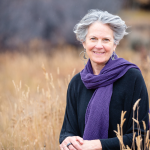
Andrea Chacos/Courtesy photo
A visitor from the city once put it bluntly: “You don’t live in reality — you live in a bubble.”
True, we have a world-class mountain resort out our front door and have more sunny days than a tiki bar in the Caribbean. We are surrounded by nature’s beauty and get outside to play whenever we can. We also have a relatively-low crime rate and many of us still don’t lock our car doors or bother with a home security system. We know in many ways we are blessed. Sometimes, when we’re in the middle of a demanding season that takes more than it gives, the light for some of us momentarily dims, and our smiles are harder to retrieve.
The entire valley floor goes into motion when the chairlifts start spinning for the season. The hum is electric, and we’re “living the dream” alongside the tourists. When we say it, we mean it. Restaurants and retail are ready and staffed, and everyone who works in tourism is eager and proud to greet guests into our backyard playground. We are prepared to work — hard. The morning commute starts earlier than usual, and traffic is backed up out of town later in the afternoon. I know if I miss my window, the traffic pattern changes, and I’m stuck behind a Subaru hatchback instead of a speeding Toyota Tundra. No disrespect to the Subaru. They have different priorities. The truck is headed home to dinner and kids, while the other is casually cruising after a day chasing powder on the slopes. The days get darker, colder and slowly more intense. I feel winter’s pressure tightening. The grip is real.
During holiday and peak times, private jets overtake the tiny, soon-to-be-renovated regional airport with commercial aircraft now having to find moments to take off and land. The noise from the jet blast is decibel-level deafening and nonstop. Endless skis, boot bags, fur coats and luggage spit their way out of the cramped terminal daily. Grueling, manual labor make it all happen and extended working hours made mandatory during major snowstorms or irregular operations, are often. Hearing loss and muscle tears are real, too.
It’s not unusual for people who work in this busy, idyllic bubble to get momentarily burned out and lose their way. Many individuals work weeks at a time without a day off, and before they know it, their bodies are physically or emotionally spent. When reprieve does come, it’s often due to sickness or injury, and some choose to work right through the pain instead. They have no choice. There is little room for financial error or space for a balanced life when tourists are in town and work demands your presence. Many of us couldn’t afford to live here otherwise.
By the time March arrives, my own smile fades, and an accumulation of stress push new feelings of resentment into my usually sunny self. Now, “living the dream” is laced with irony. I carve mini moments for myself when I can; yet, I’m bone-tired even though my social life consists of a couch and early bedtime. My breathing becomes shallow, and I struggle to see the joy in what used to make me happy. I know my seven-day work week is only seasonal, yet its demands get harder to swallow with each passing week. The world’s problems continue to weigh heavy on me, and as my bubble closes in on itself, I become angry. I begin to neglect the pets at home, find things to argue about with the kids and become petty with my coworkers. Finally, I lash out at my husband, who has already been generous enough to give me ample space to be cranky around the house. This isn’t his first seasonal rodeo, but this one’s been the hardest on record. Feeling sorry for myself further annoys me and only adds to my exhaustion.
Living in a rural, outdoor landscape and making a home in a resort destination comes with real work and real risk. We have a higher-than-average cost of living, social isolation and a lack of mental-health resources that more urban places have at their disposal. Sometimes, it’s our can-do culture and rugged spirit that also keep us from seeking help. These are just some of the factors that contribute to high suicide and increased mental-health crises in the ski towns of the Mountain West, according to the Colorado School of Public Health. We live in a “paradise paradox,” and sometimes, when I struggle to find the light, I need to be reminded why I choose to live here. Many of us do.
The truth is that our life is not a vacation; it only appears so from the outside. Our pain, hopes, struggles, goals and fears are as real as any visitor who has come to town to escape theirs. While I try to find ways to exhale and reclaim the quiet that makes this place feel like home again, I am leaning on my mountain family in big ways, and I will be okay.
True, the snow globe looks like a fairy tale when you shake it. I can see how our life looks like paradise from the outside, yet when the snow settles and the swirling stops, we’re one and the same.
Andrea Chacos lives in Carbondale, balancing work and happily raising three children with her husband. She strives to dodge curveballs life likes to throw with a bit of passion, humor and some flair.

La Greca: Let’s make a plan — helping kids move through change
Transitions are hard because children live very much in the present moment.