Western Slope lawmakers want to create an optional car registration fee to fund wildlife crossings
It’s the latest attempt by legislators to create a permanent, dedicated source of funding for projects that have proven to reduce vehicle-wildlife collisions by 90%

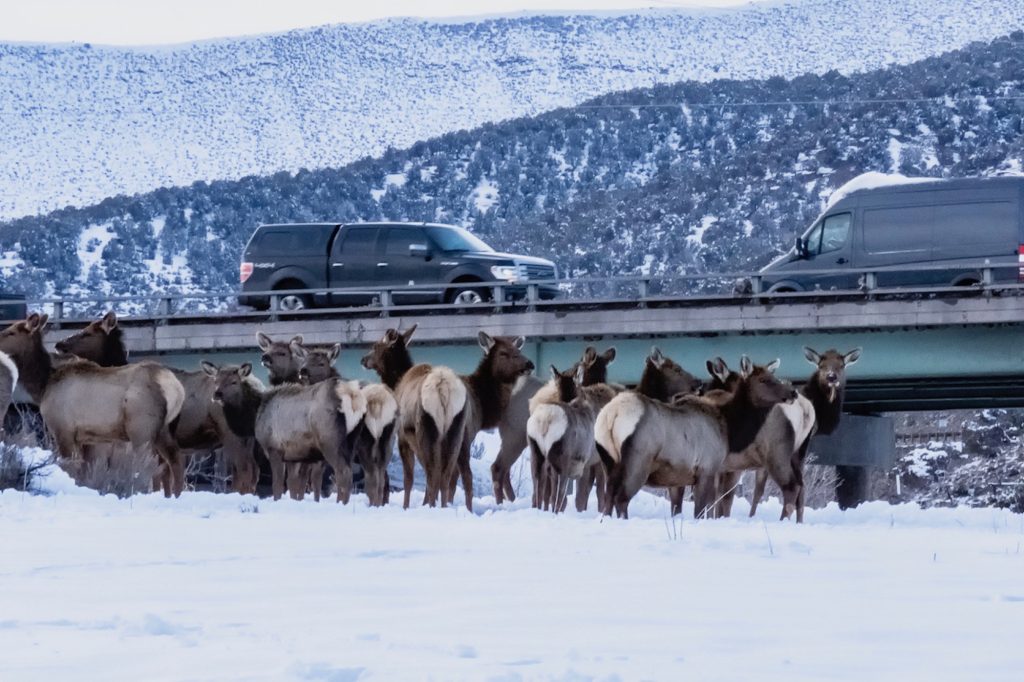
Rick Spitzer/Vail Daily archive
A bipartisan group of Western Slope lawmakers is looking to add a voluntary fee to Colorado vehicle registration to fund road infrastructure that reduces vehicle collisions with wildlife.
“We know, living up here in the mountains and driving on rural highways across the state, that wildlife and vehicle collisions are far too common,” said Sen. Dylan Roberts, D-Frisco. “Colorado has the statistically highest rate of wildlife collisions of any state in the West, which means we have the highest rate of insurance claims for damaged vehicles but also, unfortunately, a high rate of deadly crashes where humans are killed or severely injured because of wildlife-vehicle collisions.”
In 2024, nearly 7,500 animals were reported as roadkill across Colorado — the majority of which were reported in the western half of the state. Around 60% of these reports were for deer. The actual number is likely larger, according to the Colorado Department of Transportation, which tracks the reports alongside Colorado Parks and Wildlife. The same year, wild animals were the sixth-leading cause of vehicle crashes in the state. The total estimated annual cost of wildlife-vehicle collisions in the state is $321 million, with the average cost of hitting a deer exceeding $23,700, based on a 2023 study of Western states from Montana State University and the Center for Landscape Conservation.
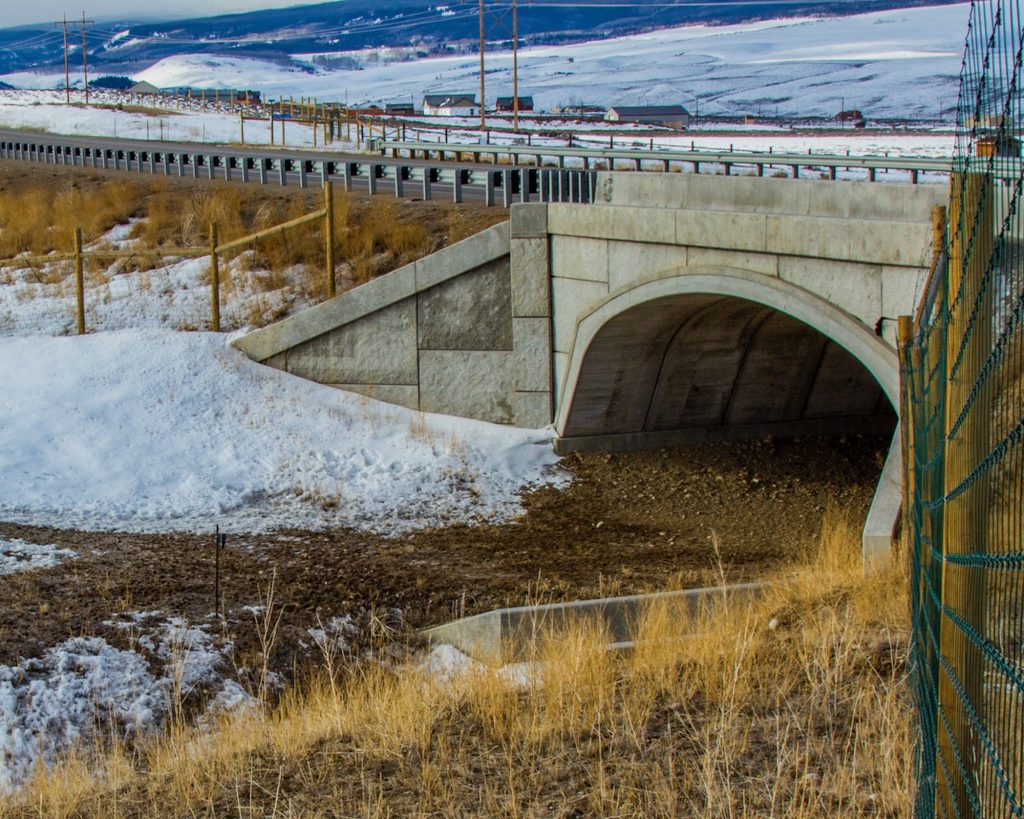
With the problem well-defined, Colorado has proven that there is also a solution: wildlife crossing infrastructure like fencing, escape ramps, overpasses and underpasses.
In the first five years after Colorado built two wildlife overpasses, five wildlife underpasses, 29 wildlife guards, 61 escape ramps, and 10.3 miles of wildlife fencing on a 10.5-mile stretch of Colorado Highway 9 outside of Kremmling, there was a 90% reduction in wildlife-vehicle collisions. The project has paved the way for many others in the state, including the Greenland Wildlife Overpass on Interstate 25 south of Denver and the Genesee Underpass built on the Interstate 70 mountain corridor.
“There’s a lot of legislation that we work on down at the Capitol, where you are either planning for a result or hoping that a result comes to be when you pass legislation. In this case, we know that this works,” Roberts said. “Statistically, the wildlife crossing infrastructure and wildlife fencing reduce collisions by over 90%. There’s not a lot else in government that fixes a problem almost 90% the moment it’s built.”
Despite being a proven solution, finding adequate funding for these projects — which can cost anywhere from up to $64,000 per mile for 8-foot tall wildlife fencing and up to $15 million for a single wildlife overpass — has remained the biggest challenge for transportation departments and advocates.
With Senate Bill 141, Roberts — with Senate Minority Leader Cleave Simpson, R-Alamosa; House Speaker Julie McCluskie, D-Dillon; and Rep. Rick Taggart, R-Grand Junction — the funding would come from an optional $5 fee added during annual vehicle registration. The funds would go into a Collision Reduction Fund overseen by the Colorado Department of Transportation and Colorado Parks and Wildlife.
The bill will face its first test on Wednesday, March 25, in the Senate Transportation and Energy Committee.
Lawmakers are pointing to the success of the Keep Colorado Pass — which grants access to all Colorado state parks with the purchase of a $29 fee on drivers’ annual vehicle registration — as a model for what the wildlife crossing fee could generate. In 2024, over 1.5 million Coloradans opted to pay the fee. If the same number of individuals opted into the vehicle collision prevention fee, it would generate around $6.5 million.
“That’s probably similar to what we could expect in the first year,” Roberts said. “It could be less, but it also could be more, and I’m thinking it might be more because Keep Colorado Wild is $29, and this one for wildlife crossings is only $5.”
Passing the bill this session also has the benefit of allowing projects to take advantage of a federal match for grant dollars. In 2021, the Bipartisan Infrastructure Law created a Wildlife Crossings Pilot Program and set aside $350 million through 2026 for these projects. According to Roberts, the federal government would match $4 for every $1 invested by the state under this program, but time is running out.
A better solution for building wildlife crossings
This bill is just the latest attempt by Colorado lawmakers to create a permanent, dedicated source of funding for the projects. In 2021, lawmakers created a $5 million cash fund to support wildlife crossing infrastructure, but the fund has been drained.
Last year, a proposal to mandate a $0.25 monthly fee added to Colorado car insurance policies to fund road safety infrastructure projects was killed in committee. The majority of the funds generated, around 80%, would have gone toward safety improvements for “vulnerable” road users, like pedestrians and cyclists. The remaining 20% of funding would have gone toward wildlife crossings.
Roberts feels more optimistic about this year’s bill for a few reasons.
First, rather than mandate a car insurance fee, it gives drivers the choice to opt in to the fee — something he said came out of committee feedback from last year’s bill. Second, he said the bill has a stronger political passport, with more momentum and bipartisan support. And third, with the fee being added to car registration, he believes there is a strong connection for drivers between the fee and the benefits.
“The connection is so clear: When you’re registering your car, you’ll have the ability to contribute $5 to build something that will help you protect your car and yourself,” Roberts said. “I think drivers in Colorado, especially those of us who live in more rural areas and deal with this on a daily basis, will recognize the benefit of that.”
To make this connection even clearer, the bill also proposes creating a marketing program.
Priority projects in northwest Colorado
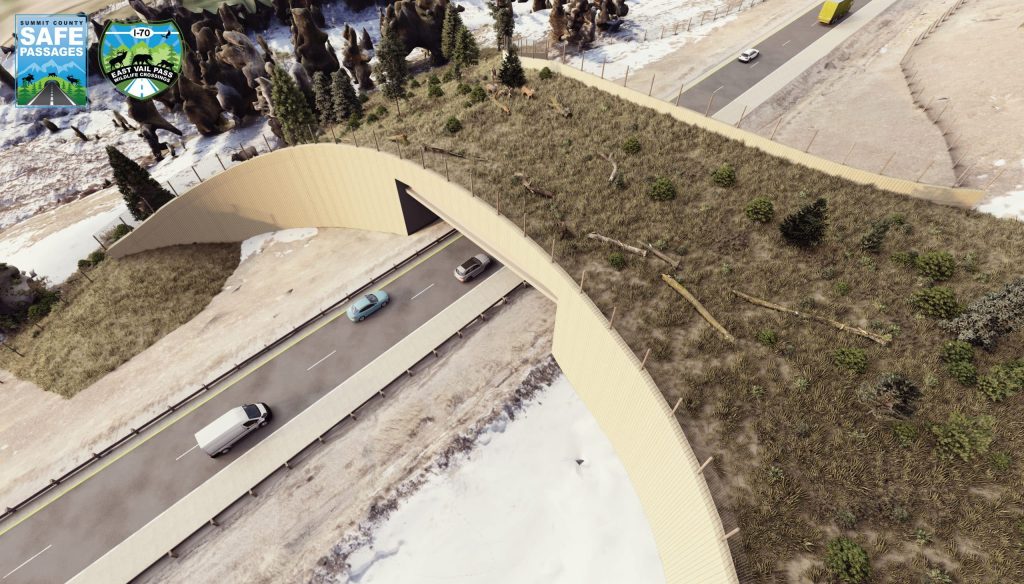
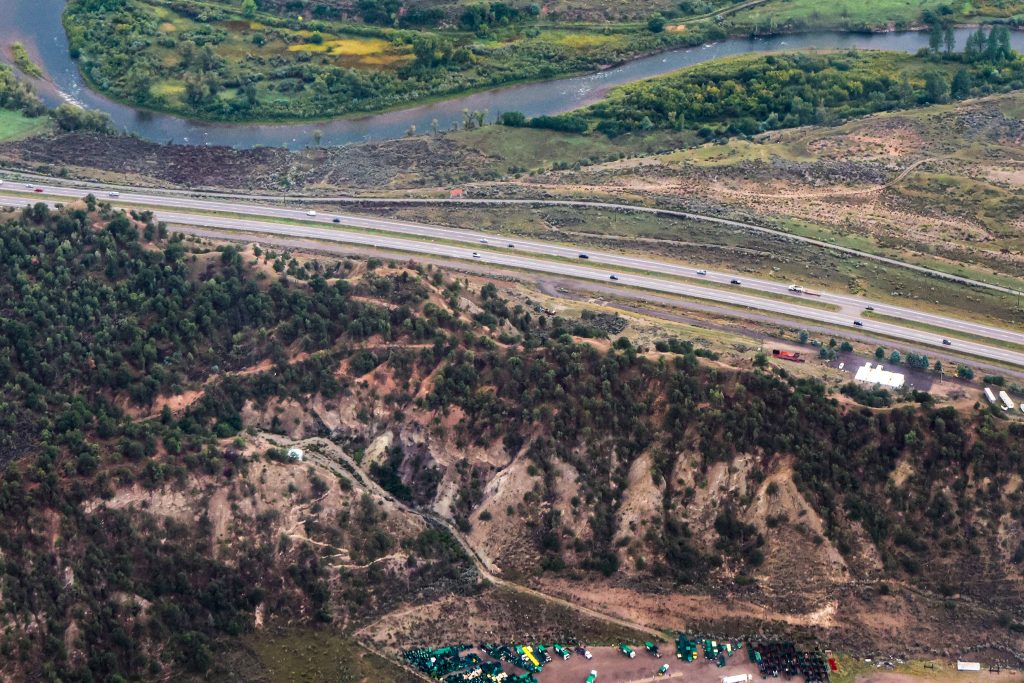
The priority projects also include a proposed underpass and overpass in the Roaring Fork Valley on Highway 82, estimated to cost between $22 and $32 million. Roaring Fork Safe Passages has been leading planning and fundraising efforts for wildlife crossings in the valley for several years, with the highway section near the Aspen/Pitkin County Airport emerging as a priority project within the region and state.
Cecily DeAngelo, executive director of Roaring Fork Safe Passages, said the bill was a “significant and welcome development for wildlife crossing advocates” in the valley and across the state.
“For Roaring Fork Safe Passages, this legislation affirms what our community has known for years: Wildlife crossings are among the most cost-effective safety investments we can make,” she said. “A dedicated state fund also strengthens the case for philanthropic and local government dollars — giving every source of investment a more secure foundation to build on.”
According to Roberts, the legislation is supported by Parks and Wildlife, the Colorado departments of transportation and revenue, the governor’s office as well as a growing coalition of insurance companies, local officials and wildlife and road safety advocates. As of March 18, a few agriculture organizations have taken a “monitoring position” on the bill, but no opposition has emerged, according to the Secretary of State.