Top 5 most-read stories last week

Staff report Follow

Austin Colbert/The Aspen Times
Stories in this list received the most page views on aspentimes.com from June 22-29:
1. Aspen Snowmass announces Community and Discount Pass programs for 2026/27 season
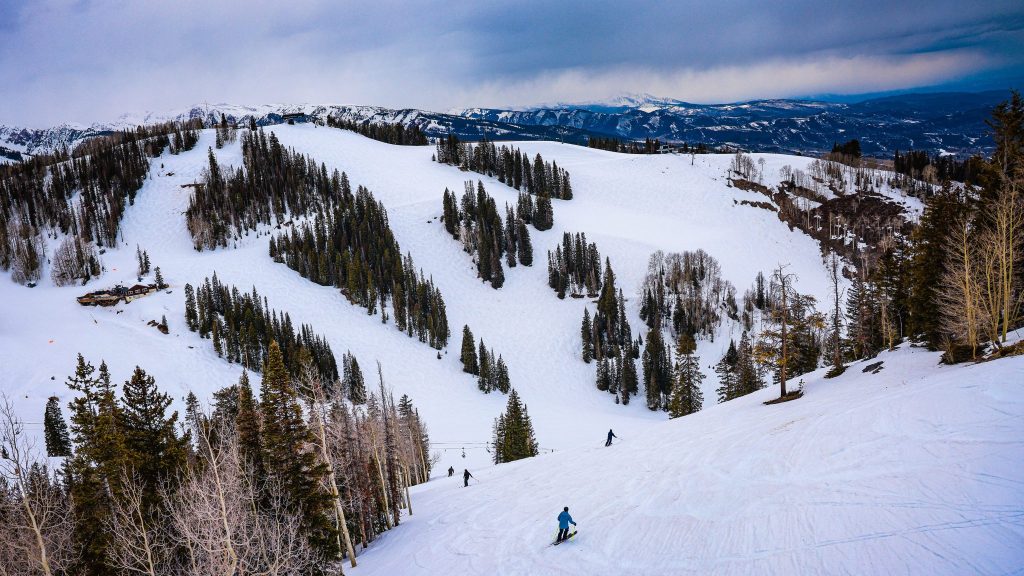
Aspen Snowmass announced the launch of the 2026/27 Community and Discount Pass programs Wednesday, offering discounted season passes to Roaring Fork Valley Chamber member businesses, local teachers, eligible active-duty military members and area students and youth organizations in a continued effort to provide local access to all four mountains.
Passes go on sale July 1 at AspenSnowmass.com.
“The people who live and work in the Roaring Fork Valley community are core to what makes Aspen Snowmass such a special place. These programs exist because we want our neighbors to be on our mountains with us,” Geoff Buchheister, CEO of Aspen Skiing Company, said in a press release. “We’re proud to expand what we offer this year and to make it easier than ever for our valued local community to access our mountains.”
— River Stingray
2. Leadville wildfire column visible from Pitkin County
A “significant wildfire column” from the Willow Fire that has broken out west/northwest of Leadville in Lake County was visible from Pitkin County as of 5:48 p.m., according to a Pitkin Alert.
The fire grew to more than 1,000 acres in a matter of hours Sunday evening. Evacuations have been issued for areas in Lake County.
This comes after Pitkin County Sheriff’s Office posted to its social media Saturday that the smoke throughout the valley is coming from several new fires burning in southwestern Colorado and a number of large fires in southern Utah. According to the Sheriff’s Office, there have been two small fires in Pitkin County following Friday’s lightning strikes, but both were confined to a single tree and effectively extinguished by local firefighters.
— River Stingray
3. Pitkin County to enter Stage 2 Fire Restrictions on Friday
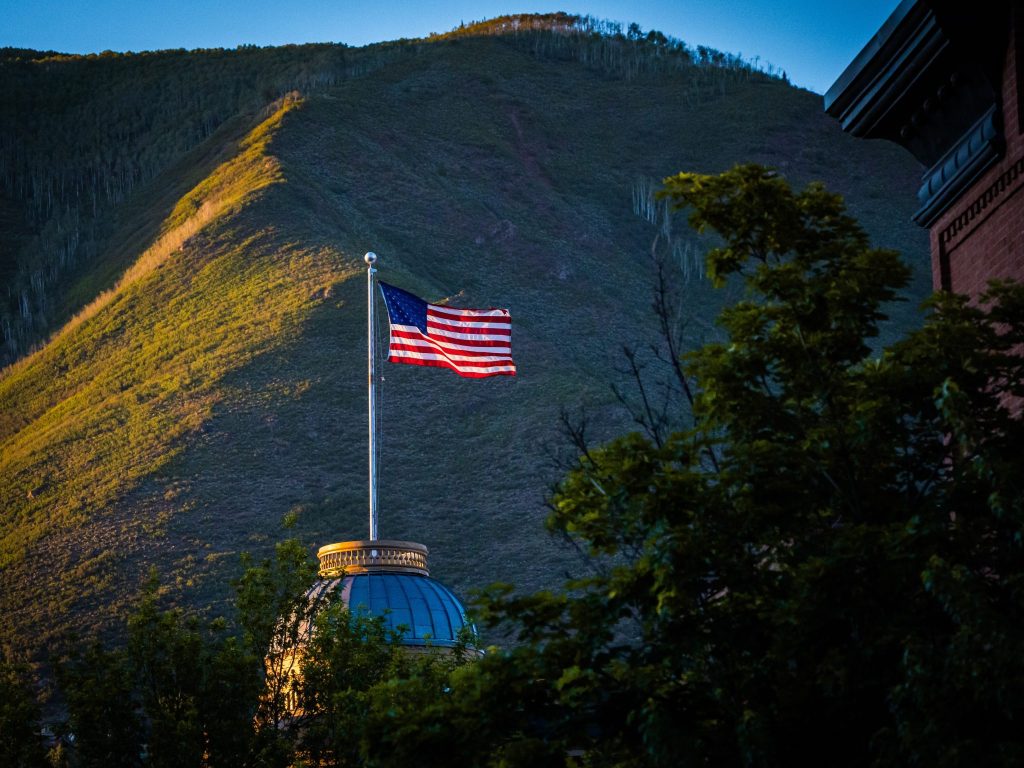
Pitkin County Sheriff Michael Buglione will enter Stage 2 Fire Restrictions at 12:01 a.m. Friday, June 26, which was announced at a joint Aspen City Council and Board of County Commissioners meeting on Monday.
This follows Pitkin County’s move into Stage 1 on June 10.
According to Pitkin County Emergency Manager Chris Breitbach, who presented at the meeting, “the eight to 14 day outlook looks … not real promising.”
— River Stingray
4. New Aspen Airport terminal design leaves room for gondola
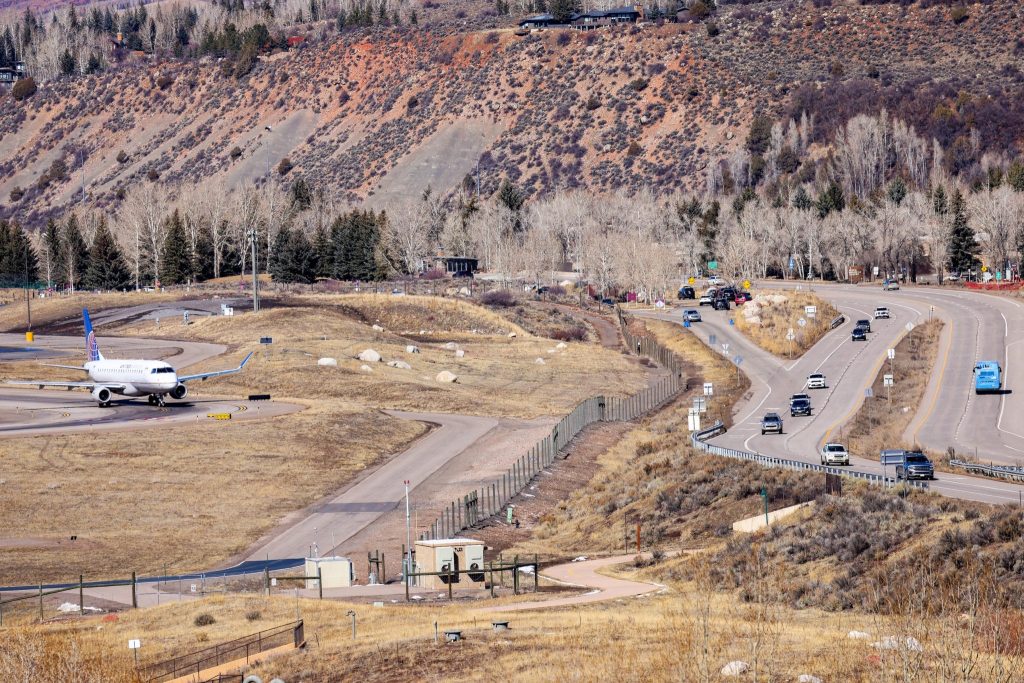
The new Aspen/Pitkin County Airport terminal design is proposing less passenger holding space, less parking and less employee amenities, but is including space for a potential gondola system from Brush Creek Park and Ride to Aspen.
Should the Board of County Commissioners approve the design, it will come in at around 30,000 square feet and a full story smaller than the 130,000 square foot design that was reworked following extensive public comment, according to Tony Martinez, the project manager who will soon be replaced by Bob Snyder.
Martinez and airport director Diane Jackson emphasized during the BOCC meeting Tuesday that the redesign will be an improvement on the current terminal, aimed at being “future proofed” and adaptable with a commitment to sustainability.
— Beau Toepfer
5. El Niño has officially arrived in Colorado, and stronger moisture could be next
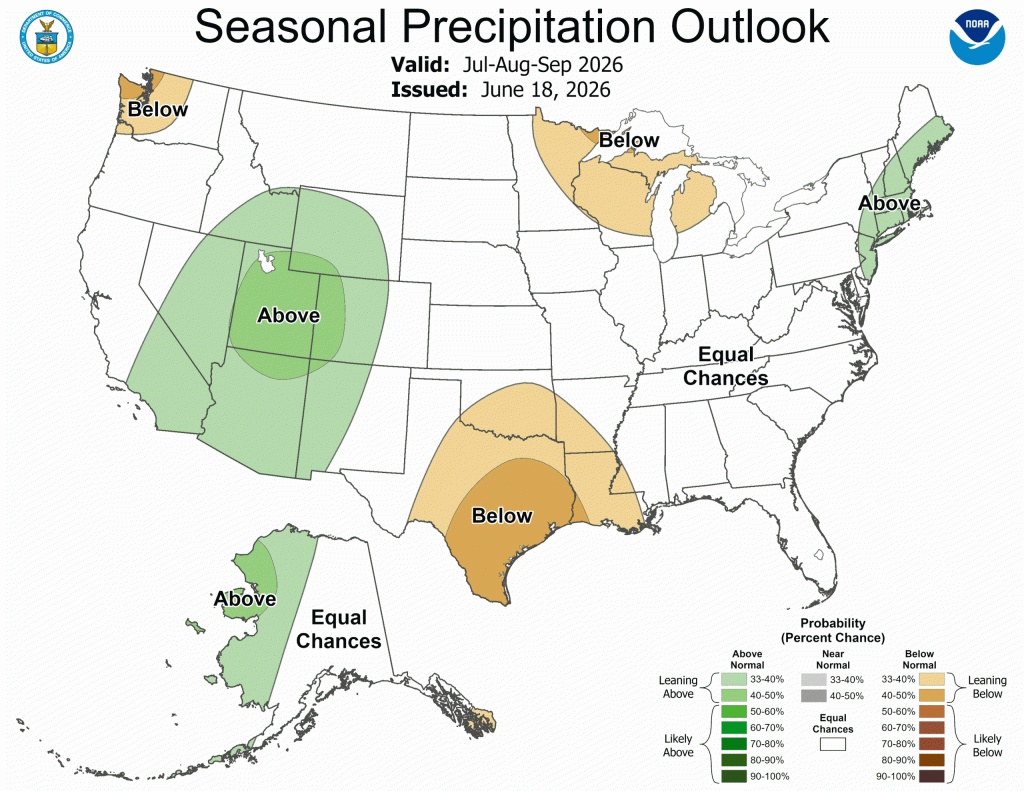
El Niño has officially arrived, bringing what could be one of the strongest El Nino summers the Northern Hemisphere has seen in decades.
El Niño conditions — characterized by above-average sea surface temperatures across the central to eastern equatorial Pacific Ocean — have been developing over the past month and were officially recognized by the U.S. National Oceanic and Atmospheric Administration on June 11.
The transition occurred rather quickly, OpenSnow Meteorologist Alan Smith noted in a June 16 report, as La Nina conditions — characterized by below-average sea temperatures — were present from January to March. Since then, sea surface temperatures have warmed rapidly.
— Andrea Teres-Martinez

PHOTOS: Actress Jodie Foster highlights the Afternoon of Conversation at Aspen Ideas Festival
The conversation began with an introduction by Aspen Institute President and CEO Dan Porterfield, who is stepping down after the festival to become the new CEO of the Jack Kent Cooke Foundation.