NeuroSpa reflects on psilocybin treatment one year in
NeuroBloom will continue offering life-changing experiences year 2

Grace West Follow
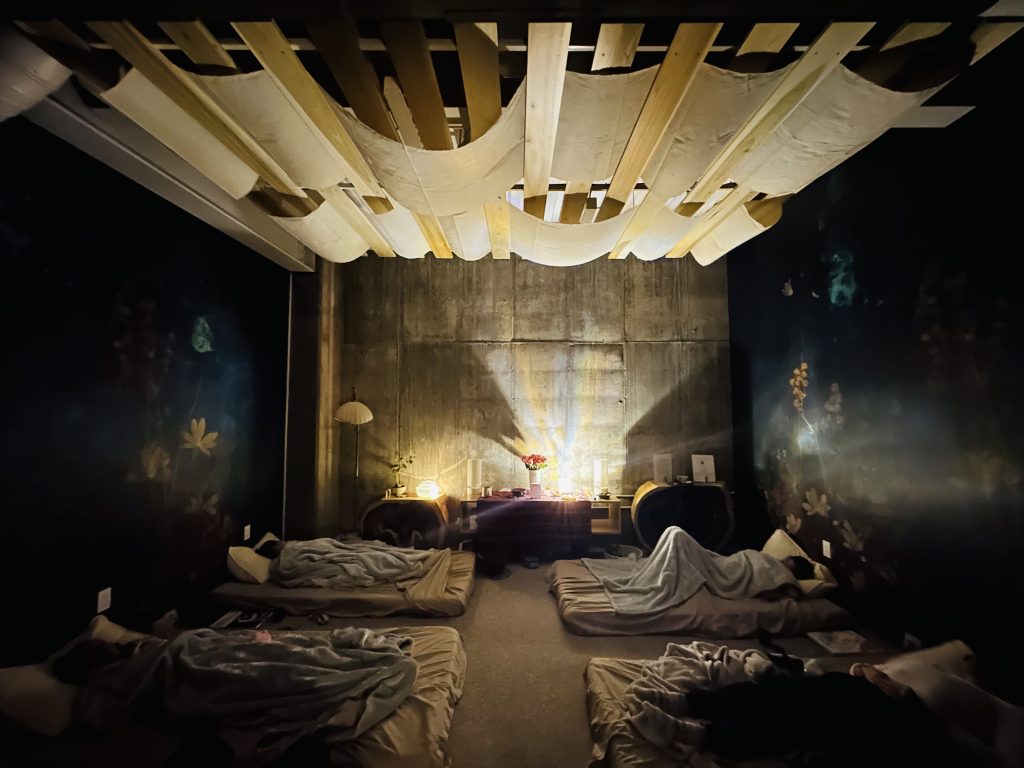
NeuroBloom/Courtesy photo
NeuroSpa, a licensed psychedelic healing center with locations in Aspen and Basalt, has been providing individual, couple and group psilocybin journeys to relieve personal trauma, anxiety, depression or for self-growth for almost a full year now.
The program, called NeuroBloom, offers a safety screening, preparation session, journey and post-journey integration, along with a complimentary exploratory consultation with Dr. Brooke Allen, the medical director at NeuroSpa, for those who are interested in pursuing the treatment.
“What I’ve seen over this first year, again and again, is the courage it takes for someone to walk through the door and be willing to meet themselves in a new way,” Meagan Adams, NeuroSpa’s lead psychedelic integration specialist, said. “There’s something powerful about watching someone approach the medicine with openness and then find the courage to surrender to the experience.”
Psilocybin is a naturally occurring psychedelic compound found in certain species of mushrooms, according to a press release. When ingested, psilocybin is converted in the body to what’s called “psilocin,” which interacts with serotonin receptors in the brain to alter perception, mood and cognition, according to previous reporting from The Aspen Times.
Many individuals seeking the service in Basalt have come with the aim of healing family trauma or persistent grief, or when they feel like they have gotten stuck due to burnout, a major life transition and more.
According to Dr. Allen, both individuals and couples have signed up for the work, sometimes healing together but oftentimes working separately. She noted she was surprised by how many older individuals have sought the medicine and how little demand for group work there has been.
“The thing I continue to be amazed by is just how different everyone’s journey is,” she added. “And just how beautiful connection is.”
NeuroBloom has seen roughly one to two clients reaching out each week, but she can recommend psychiatric counseling before allowing some individuals to receive the natural medicine due to current medications they’re taking or their mental health history.
Clients coming to the medicine who might not feel like they are ready for a big journey are also able to receive smaller dose journeys of psilocybin.
“One thing we’ve learned is the need for having smaller doses and maybe even offering those in a group setting where those can be much more affordable for people,” Allen said.
When Adams reflected on NeuroBloom’s evolution of psilocybin treatment since introducing it a year ago, she noted people have come to the table knowing a lot more about what psychedelic therapy is than they did before — people used to ask “what is it?” or “how does it work?” but many now ask more nuanced questions about preparation, safety and the integration process.
“One thing that hasn’t changed that’s really important to us is maintaining that healing happens through relationship,” she said. “That’s how we’ve continued refining how we prepare our clients and supporting them during the sessions and how we walk alongside them afterwards.”
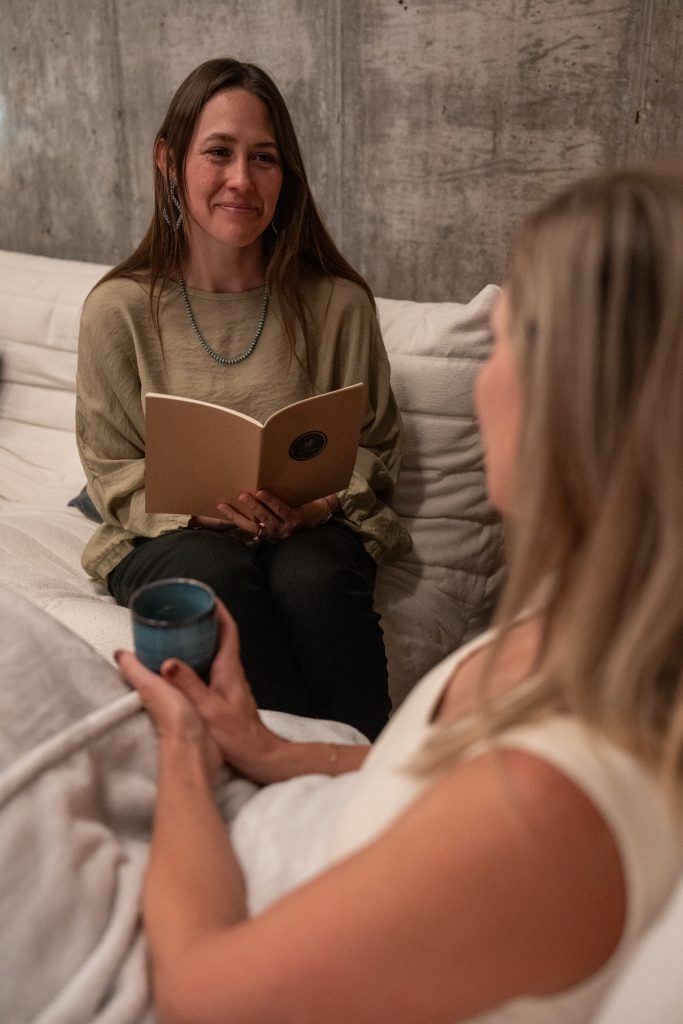
NeuroBloom currently has four practicing facilitators on their team, each with their own background, their own training and their own strong reasons for what brought them to the work.
“It’s great to be part of a team of practitioners who are constantly learning, growing and collaborating,” Adams said. “After practicing for a year, it’s really lovely to see that this field and our practice is really about human connection.”
What’s happening in Aspen, in one click.
Sign up for our morning newsletter at AspenTimes.com/newsletter
With the success of psilocybin, NeuroBloom is looking ahead at how they might offer other psychedelic medicines to be included as part of the natural medicine program. For the state of Colorado, ibogaine, medicine from a root bark of Central Africa, and DMT (Dimethyltryptamine) might be options in the future.
“Those are things we are waiting on,” Allen said. “But we are trying to get as much information out there about psilocybin at this point and make sure [people] know that those resources are here for them.”
Adams added that there has recently also been interest expressed in having monthly or bi-monthly integration circles to allow people who have previously worked with the medicine to have the opportunity to check back in with the space, facilitators and peers who have also been through the journey.
Going into year two, NeuroBloom’s team is committed to continuing to provide life-changing services with the opportunity for clients to realize that there are people who can help them overcome what they might feel like is holding them back. According to Adams, it’s about creating a safe space where someone can surrender and trust the process.
“They may not leave with everything figured out, but so often they leave with something they didn’t have when they came in: a little more hope, a new perspective or a sense that change is possible,” she said. “Getting to witness that has been one of the most meaningful parts of this work.”
For more information or interest in NeuroBloom, visit neurobloompsychedelic.com.
Officials remind Penny Hot Springs users: ‘Don’t abuse the area’
After a Jeep ended up in the water at Penny Hot Springs recently, officials are reminding those enjoying the area to maintain respect and stewardship of the increasingly popular place.


Roaring Fork Transportation Coalition advocates for HOT lane, congestion pricing on Hwy 82
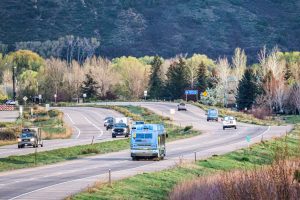
The Roaring Fork Transportation Coalition presented to Snowmass Town Council Monday on potential plans aimed at reducing traffic congestion on Highway 82 and improving the quality of life for valley commuters.