Kairos Futura expands programming, looks for innovative solutions for Aspen

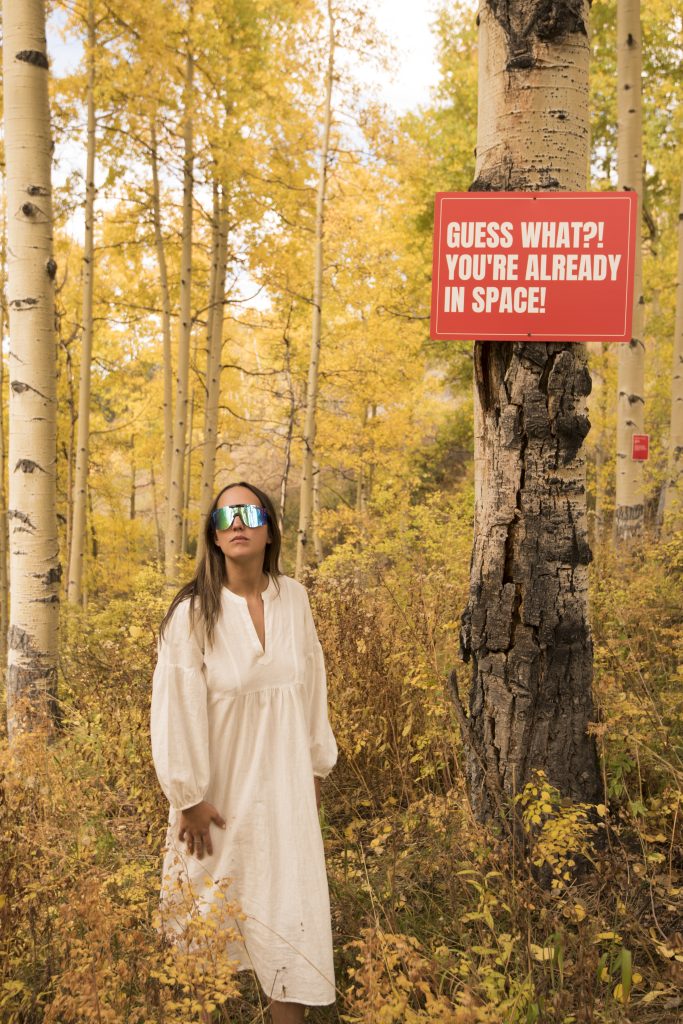
Kairos Futura/Courtesy photo
Coming off its 2021 and 2022 summer “Aspen Space Station” installation, Aspen and Nairobi-based “arts-focused futurism organization,” Kairos Futura has expanded its programming this summer to include new events, exhibitions, and initiatives around the Roaring Fork Valley.
According to founder and artist, Ajax Axe, the organization’s focus is to gather like-minded local artists, designers, and scientists to do research on current challenges and opportunities in a specific community and then implement projects based on what they’ve learned. The final product can be anything from an art exhibition that addresses an overarching issue to a specific engineered solution for a local problem.
We recently caught up with Axe via telephone to discuss the group’s evolution, some current projects, and why Aspen is the perfect place to create change.
Aspen Times: What is the meaning behind the organizations name, Kairos Futura?
Ajax Axe: Kairos is a Greek word, but it is still technically in the English language. It means “the perfect opportune moment to take action.” So, Kairos Futura means “the right time to take action for the future,” which was probably 20 years ago, but it’s certainly now. And that’s why we named a Kairos future.
AT: How has the organization evolved and how has the community responded?
AA: The community overall has been incredibly supportive. We were fortunate enough to start at a time when there were a lot of people who were trapped here during COVID. So we had a captive audience our first summer. We get hundreds of people, if not 1,000s of people at our events throughout the summer. Most people now are familiar with the “Aspen Space Station” and Kairos is the thing that grew out of the initial project. Now that we’re going into deeper, long-term programming, people are excited to see the creativity — not just as a form of mobilization, but as an actual way of implementing solutions.
AT: What are some of the new initiatives that you’ve implemented this summer?
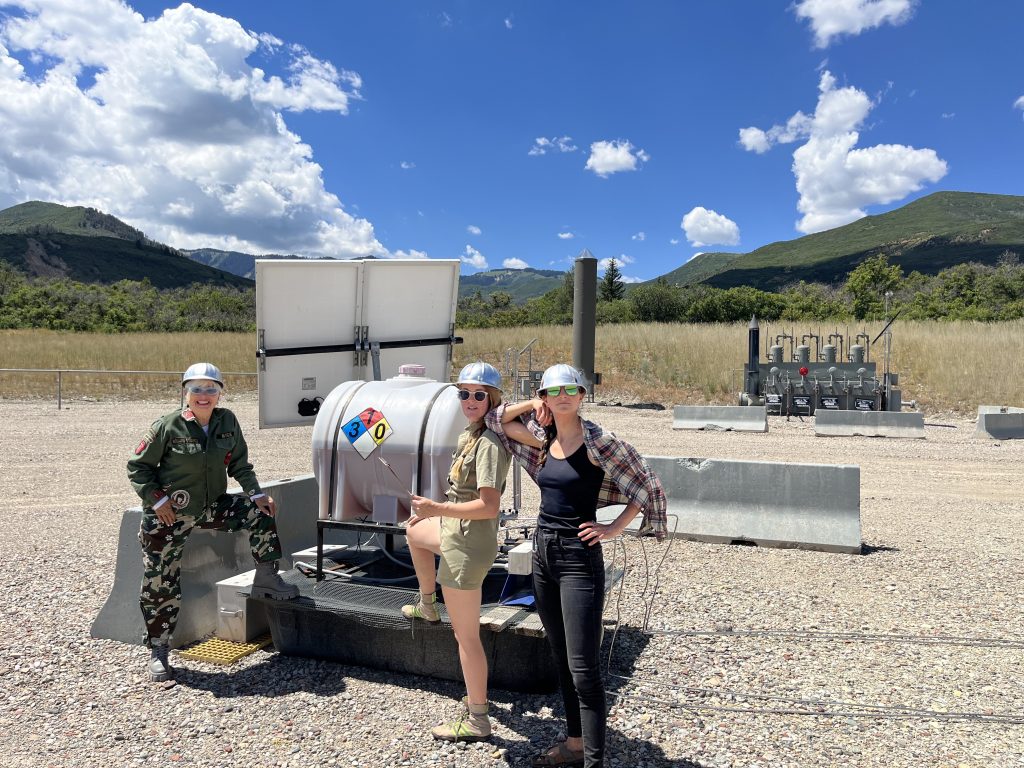
AA: One thing we’re doing is the “Burn Zone Lab.” We’re working with scientists from Forest Service in the state of Colorado, and we’re also working with Wilderness Workshop. We came to them and said we are interested in finding ways to do more innovative things around burn areas because they are seen as dead space by the communities. We’re kind of past the point of focusing on climate change, and we need to be focusing on climate resilience. So we asked them to come up with something innovative that we could do as just a test pilot project this year. And we’re doing a two-acre test area of putting a probiotic into the soil to try to restore the soil health. So, it’s incredibly practical in terms of that, you know, implementation of this experiment.
We also have the “Wild Food Lab” next week. Food sustainability is a big issue for the future and focusing on local food. How can we celebrate local food and how can we make local, ingredients into something that’s seen as sexy is a big part of what we’ve done both here and in Kenya. So we work with two chefs, and they will be taking people foraging and the lab is focused on fermentation and making kimchi from local ingredients.
And, we have an initiative called Ecology X. It’s a print silkscreen print poster initiative that we’re doing in conjunction with Wilderness Workshop to raise awareness around critical environmental issues, specifically focused on fracking along the Colorado River in Rifle this summer.
AT: What do you hope people will take away from the work you’re doing?
AA: I hope that people realize that we have the community and the resources around us to implement and create solutions for our own challenges, and that we have so many opportunities to create incredible future with what we have right here. Not on another planet, not on another continent, not in another city. You know, we always humans have escapist inclination to look outside look beyond what’s right before us. And my goal is everything we do here is to say, we have so much right before right in front of us if we just choose to look around and to deeply engage with the people and the resources, we have available.
AT: On some of your fliers/posters you call Aspen a failed utopia. What do you mean by that?
AA: The rebirth of Aspen really came out of the Aspen Institute in the late ’40s with the Paepckes and the concept of Mind, Body, Spirit. They were bringing in a lot of artists and intellectuals and scientists to talk about ideas and business people to try and develop this vision. And of course, any utopia ever made by humans is always basically going to fail because we’re not perfect. But if you look at like basically every other attempt at utopia in the entire world, Aspen is by many standards probably the single most successful attempt at a utopia, at least in the last 100 years that I am familiar with, anywhere on the planet.
And now we’re at a moment again where Aspen doesn’t have a clear vision for the future for what would be an exciting and compelling future for most of its inhabitants. You see that now in the community conversation that’s going on; there’s a lot of dissatisfaction. And so, to change that we must create a compelling vision that includes, you know, as many people as possible in the conversation about what we want and what direction we want to take from here.
thefutureisonearth.org
Sarah Girgis is the Publisher for The Aspen Times. She can be reached at 970-429-9151 or sgirgis@aspentimes.com.

Spend one night with Bravo’s ‘Top Chef’ Season 23 winner at Hotel Jerome
For one-night only, the newly announced Bravo “Top Chef” Season 23 winner — Chef Rhoda Magbitang — will share her award-winning dishes at Hotel Jerome.