‘Breach of trust’: Colorado lawmakers blast Polis over effort to comply with ICE subpoena
Polis’ request for a state agency to turn over personal information of sponsors of undocumented immigrant children would’ve violated state laws, a judge ruled

Robert Tann Follow

Robert Tann/Summit Daily News
Colorado lawmakers who’ve championed legislative efforts to expand immigrant protections say trust with Gov. Jared Polis has been broken after he attempted to hand over personal information to federal immigration officials.
Polis’ effort to compel a state agency to fulfill a subpoena from Immigration and Customs Enforcement came to light in a lawsuit filed on June 4 by Scott Moss, the director of Colorado’s Division of Labor Standards and Statistics, part of the Colorado Department of Labor and Employment.
In his lawsuit, Moss says Polis’ office was issued a subpoena by ICE on April 24, asking for the personal information of 35 state-vetted adult sponsors who were housing unaccompanied immigrant children. Polis’ office initially held off on fulfilling the request, but in late May, it directed Moss to provide the information, according to the lawsuit.
Moss refused, saying it would violate state laws from both 2021 and this year, which Polis both signed, that limit state and local government cooperation with federal immigration officials.
A Denver judge on Wednesday issued a preliminary injunction in favor of Moss, saying Polis cannot require Moss’ agency to give up the information but left the door open for Polis to find other ways to comply with the subpoena.
At a press conference at the Capitol on Thursday celebrating the ruling, supporters of the lawsuit said it sends a clear message on the state’s boundaries when working with ICE. Legislators who helped write the laws called Polis’ actions “shocking.”
“We hope that we can continue to be partners to address the issues that harm our communities, but there’s also a breach in trust,” said Rep. Elizabeth Velasco, D-Glenwood Springs. “I do think that harm has been done to public trust and also the trust in the legislature.”
Lawmakers: Decision undermines public trust
Velasco serves as co-chair of the legislature’s Colorado Democratic Latino Caucus alongside Sen. Julie Gonzales, D-Denver. Velasco, the first Mexican-born state legislator in Colorado, said protecting immigrants is especially important for her district, which includes Glenwood Springs and Aspen.
“My district is a district that is 30% Latino,” Velasco said. “We’re a rural resort community, where businesses and the economy couldn’t go on without us. … And we know that our communities are more than labor. We are mothers, fathers, daughters, neighbors, friends.”
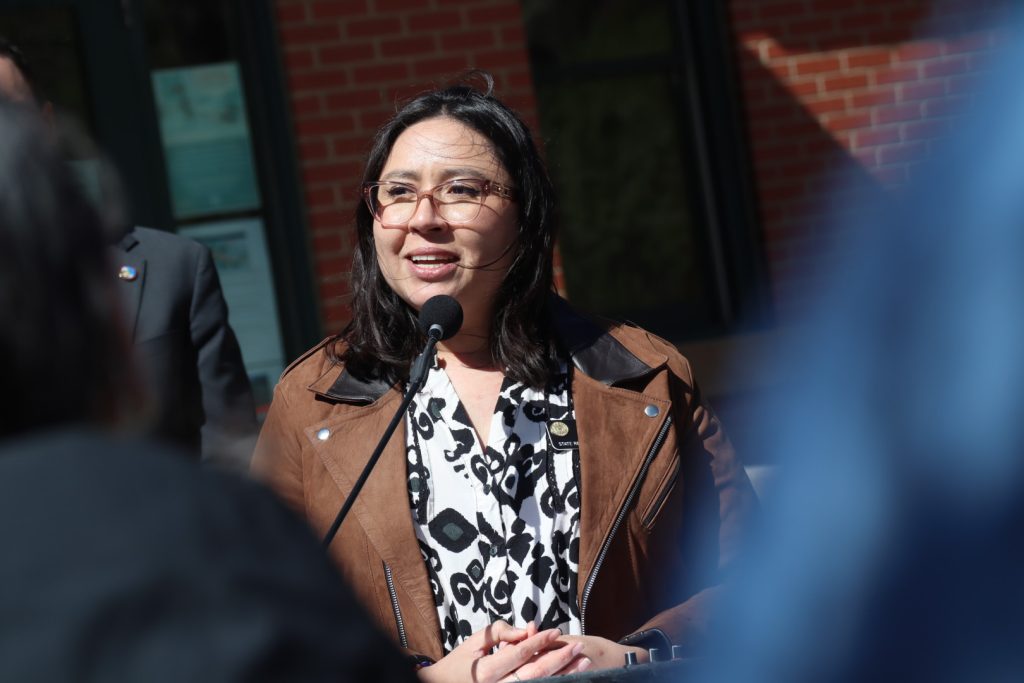
Velasco said it’s important that “we continue to value our human rights, our civil rights, our constitutional rights — because we all have the right to due process — and as many of us have said, no one is above the law.”
Gonzales said Polis’ actions have broken trust with not only the Latino caucus and immigrant communities, but also with the broader Latino community.
“This isn’t the first time I’ve had a disagreement with our dear governor; it probably won’t be the last time,” she said. “But I think that at the end of the day, this work is not about individual relationships. It is about the trust that we have in our public institutions to follow the law, and that is what is at stake here moving forward.”
State laws limit ICE cooperation
Both Velasco and Gonzales were lead sponsors of a sweeping immigrant protections measure, Senate Bill 276, which was introduced this past legislative session and signed into law by Polis on May 23.
Among its many provisions, SB 276 places new restrictions on the ability of local governments and the state’s judicial and legislative branches to share personal information with ICE when dealing with an immigration-related inquiry, unless a valid warrant has been issued. It carries a $50,000 penalty per violation for those who don’t comply.
A 2021 state law, which Gonzales helped lead, already bars state agencies — like Moss’ agency — from fulfilling ICE requests unless a warrant is issued.
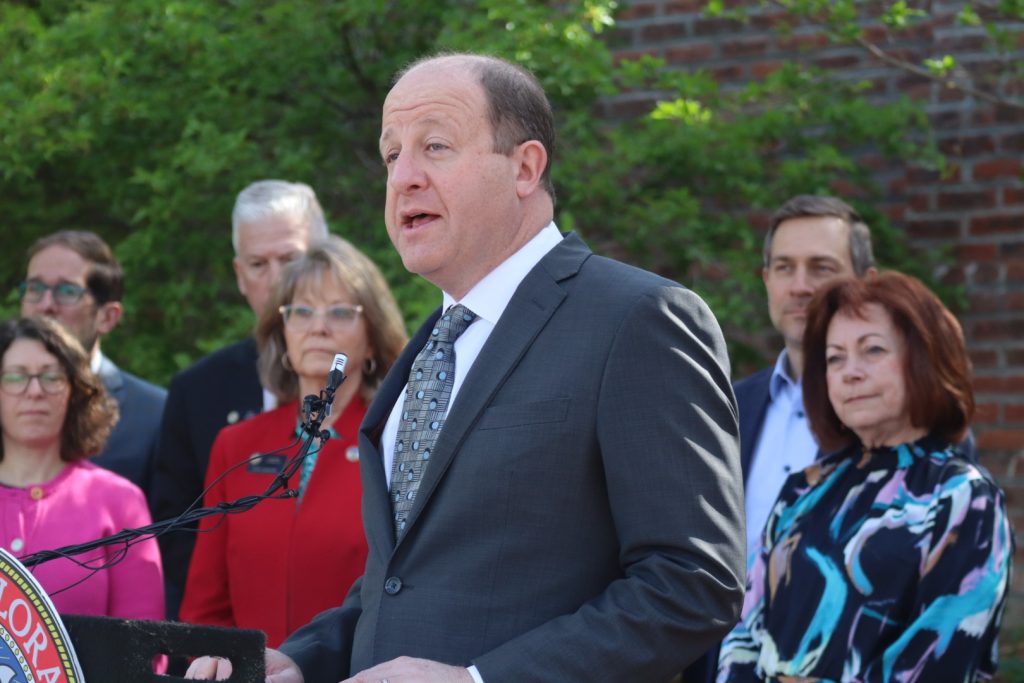
Polis said he decided to comply with the request because he believed it could be related to a criminal investigation into child welfare.
He has repeatedly said the state is willing to work with federal immigration authorities on criminal matters, and he pushed for language in SB 276 that would ensure the law “doesn’t interfere with our federal law enforcement partnerships,” according to a previous statement from a Polis spokesperson.
Moss’ lawsuit states the subpoena “does not allege that there is an ongoing criminal investigation nor does it cite any criminal law that has allegedly been violated or any probable cause supporting any unidentified criminal investigation.”
Moss raised concerns that ICE’s request is about finding and deporting immigrant children as part of President Donald Trump’s mass deportation goals. Lawmakers said that if the matter were truly about child welfare issues, ICE should have come with a warrant signed by a judge, as opposed to just a subpoena.
Polis spokesperson Shelby Weiman, in a text message statement on Thursday, said the governor “remains committed to fully and promptly cooperating with federal criminal investigations into child trafficking and exploitation, while protecting unaccompanied children in Colorado.
“We hope if information is needed for criminal investigations, that going forward (Homeland Security Investigations) will provide subpoenas for state information consistent with this ruling,” Weiman said.
Polis’ team determining next steps
Labor and immigrant advocates said they were unsettled by the response from Polis’ office.
“The statement essentially solicits ICE to reserve its subpoena in a way to find some type of loophole,” said Laura Wolf, the lawyer representing Moss. “That is very concerning.”
The Wednesday ruling from Denver District Court Judge A. Bruce Jones also stops short of ordering Polis to cease any efforts to comply with the subpoena, with Jones saying in court that he will “not enjoin the governor from otherwise responding to this subpoena if that’s what he wants to do.”
Jones’ ruling is limited in that it only applies to the labor department division overseen by Moss.
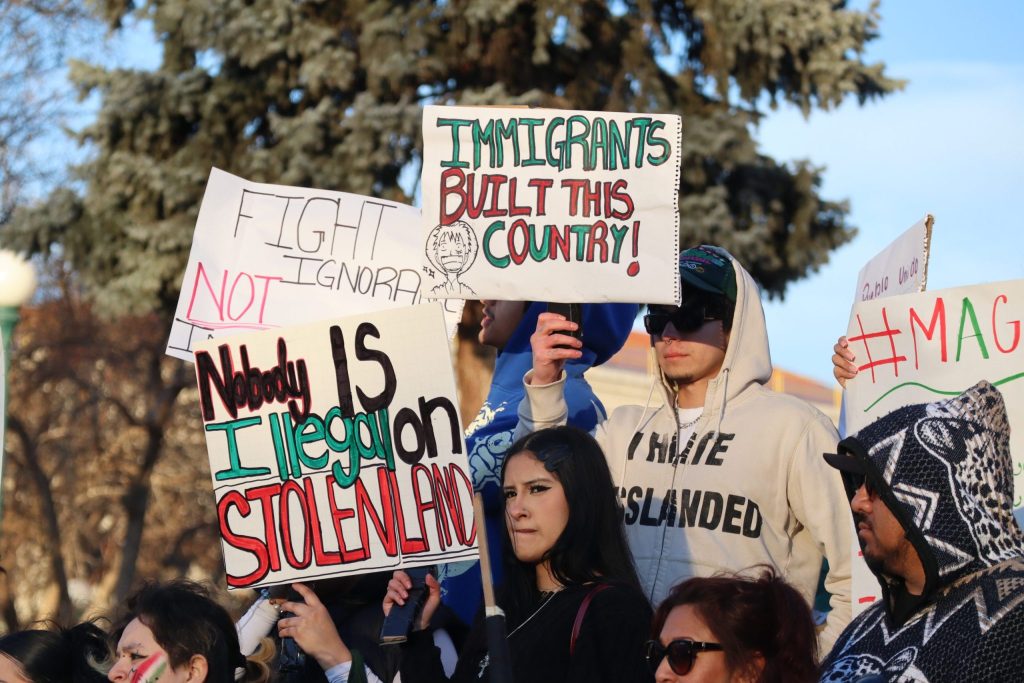
Labor groups who attended Thursday’s press conference said they are aware of employees in at least two other divisions of the Colorado Department of Labor and Employment who were asked to assist with the subpoena. They said they are not aware of any other state agencies that have been involved with other ICE requests.
Diane Byrne, president of the union group Colorado Wins, which represents over 27,000 state employees, said she sent a letter to Polis on Thursday morning asking him to confirm that he will not direct any state employees to assist with ICE’s search.
“Once we get that confirmation, we will celebrate this as a victory for all state workers and for all workers in Colorado because it will demonstrate that the law can protect you, even when dealing with the biggest boss in the state,” Byrne said.
Moss’ lawsuit is still ongoing. Wolf said Polis’ team has asked for an extension to respond to the judge’s ruling and that she and Moss are not opposing the request.
Weiman said the governor’s team is “reviewing the court’s preliminary ruling to determine next steps in this matter.”