Budget cuts will make building affordable homes in Colorado’s mountains even harder, housing advocates say
Lawmakers are looking to siphon $130 million from Proposition 123, the state’s voter-approved affordable housing fund, to help balance the state budget. Housing leaders warn it will lead to fewer affordable units in the High Country.

Robert Tann Follow
Robert Tann/The Aspen Times
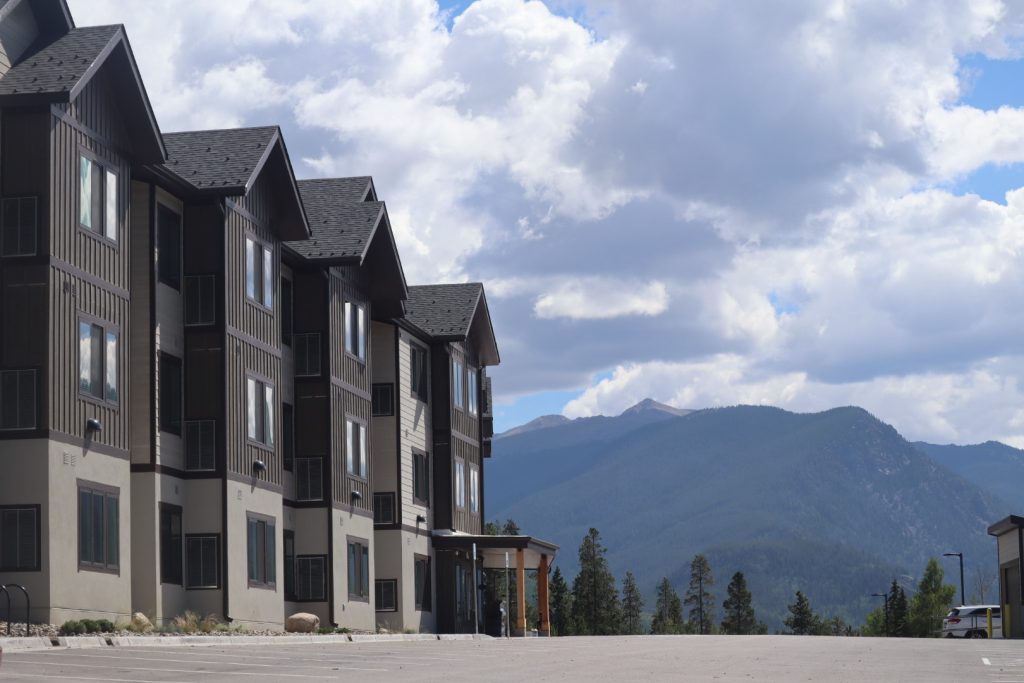
The challenges facing affordable housing developers in Colorado’s mountain towns are nothing new: Higher land and construction costs, shorter building seasons and a limited labor pool.
Yet they’ve seen more projects take off in recent years, thanks in part to the hundreds of millions of dollars that state voters dedicated to affordable housing with the passage of Proposition 123 in 2022.
Now, much of that funding is on the chopping block as lawmakers prepare to close a major spending gap. Housing advocates warn it will only exacerbate the already challenging conditions for building in the High Country, where market-rate home prices easily climb into the multimillions.
“Proposition 123 was such an exciting new tool for all of us in the affordable housing field throughout the state of Colorado,” said Kimball Crangle, Colorado Market President for Gorman & Co., an affordable housing developer that operates in rural resort towns. “To have that now be jeopardized is gut-wrenching.”
Lawmakers are on the cusp of passing the state’s 2026-27 fiscal year budget. Much of the budget debate has revolved around sweeping cuts that legislators say are needed to close a roughly $1.5 billion shortfall — the result of increased spending, rising program costs and revenue limits imposed under the Taxpayer’s Bill of Rights.
Along with reducing department spending, cutting health care benefits and dipping into the state’s rainy day fund, budget writers are looking to siphon $130 million from Proposition 123 funding to the state’s general fund, which they’ve proposed as one of their “orbital” bills — pieces of legislation that run alongside the main budget bill.
The plan would make good on a recommendation from Gov. Jared Polis, who pushed to redirect around $100 million in Proposition 123 to close a budget gap for the current fiscal year, which ends on June 30. But lawmakers who sit on the Joint Budget Committee, which crafts the state’s annual spending plan, decided to tack on an additional $20 million, which they say will also help shore up the state’s general fund for the 2026-27 fiscal year.
Rep. Kyle Brown, D-Louisville, one of six lawmakers who sit on the budget committee, said cutting Proposition 123, which generates around $300 million annually, was not a decision budget writers wanted to make.
But he defended the move as being in line with what the measure allows. The measure’s ballot language gave the legislature the ability to redirect some of its dollars to the state’s general fund during budgetary downturns.
“I, too, am committed to making sure that we adhere to the voter intent of this particular proposition and that we are supporting affordable housing,” Brown said during a House committee hearing earlier this month.
“The unfortunate thing about Prop. 123,” he continued, “is that it included no new revenue to the state, and because of that, it built in a specific mechanism for us to make transfers of this nature when the situation of the budget is as dire as it is today.”
Less funding ‘will translate into fewer units’
Even before the budget package’s passage, housing developers are feeling the effects.
“As soon as sources start to look more vulnerable and have a lack of predictability, it makes developers question whether to even begin the entitlement process for development or not,” Crangle said. “That could create a gap and a larger chasm in the number of affordable housing units that are built over the near term.”
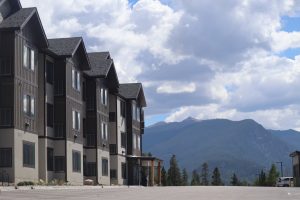
Gorman & Co. has utilized Proposition 123 funding for one of its projects, Wintergreen Ridge, which received $1.3 million in loans. The complex, located in Keystone, consists of 47 low-income rental units.
While Gorman had been eyeing Proposition 123 for other projects, Crangle said it’s no longer being considered as a funding source.
“We have put on hold projects that would have utilized Proposition 123 because we are not certain if that funding will be available or not,” Crangle said.
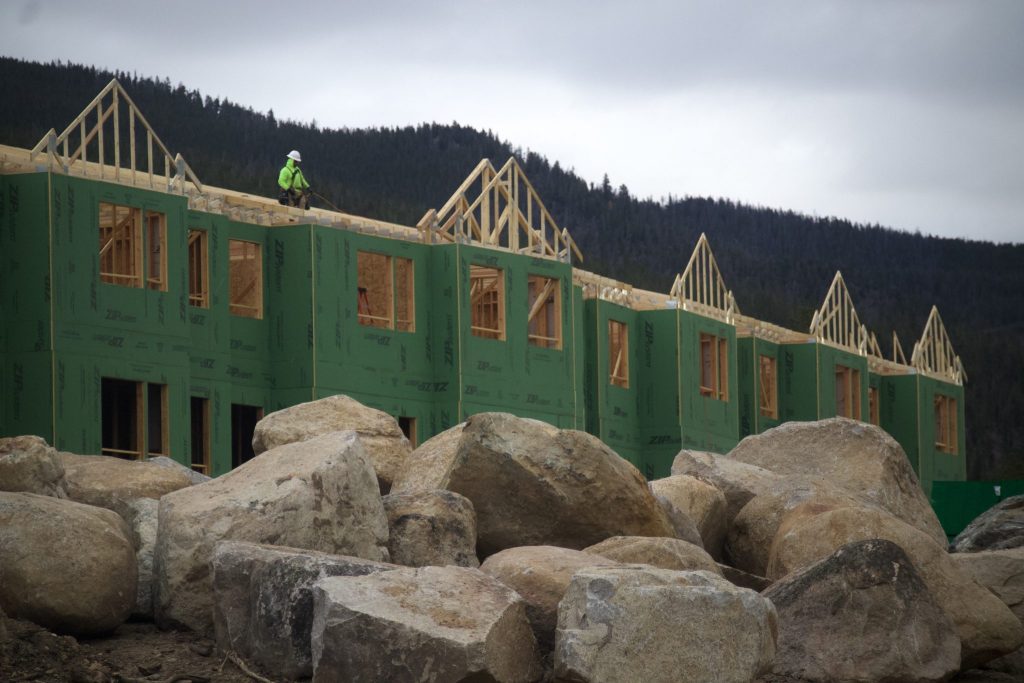
The affordable housing fund has been a powerful tool for developers and local governments across the Western Slope. Examples of Proposition 123 funding in rural and resort areas include:
- $1.3 million for the Canyon Vista development in Glenwood Springs, an 80-unit project aimed at residents making 20% to 80% of the area’s median income
- $2.5 million for the Summit at Granby project in Grand County, which consists of 67 units and is aimed at those making between 30% and 80% of the area’s median income
- $2.7 million for the Meadows Apartments project in Craig, a planned 96-unit complex for low- and middle-income renters
- $5 million for the town of Frisco to purchase the land underneath a multistory building that officials plan to redevelop into a 52-unit workforce housing complex
That funding came from Proposition 123’s concessionary debt loan program and land banking initiative, programs that primarily support the creation of new rental and for-sale units and are now being eyed for cuts in lawmakers’ budget plan.
“Less funding from Proposition 123 will translate into fewer units,” said Elyse Howard, vice president of community affairs and philanthropy for Habitat for Humanity Vail Valley, who also serves on Habitat’s statewide board. “I think there’s such a track record of success across the state that the funding was working. It’s unfortunate.”
Between 2019 and 2025, Habitat groups have doubled the statewide number of affordable for-sale homes from 65 units to 122, thanks in large part to a $25 million infusion from Proposition 123, Howard said.
That includes homes in the Stratton Flats neighborhood in Gypsum and the Timber Ridge complex in Vail, both of which were supported with Proposition 123 funding and are aimed at providing affordable homeownership to working residents in Eagle County, where the median home price in 2026 is over $2 million.
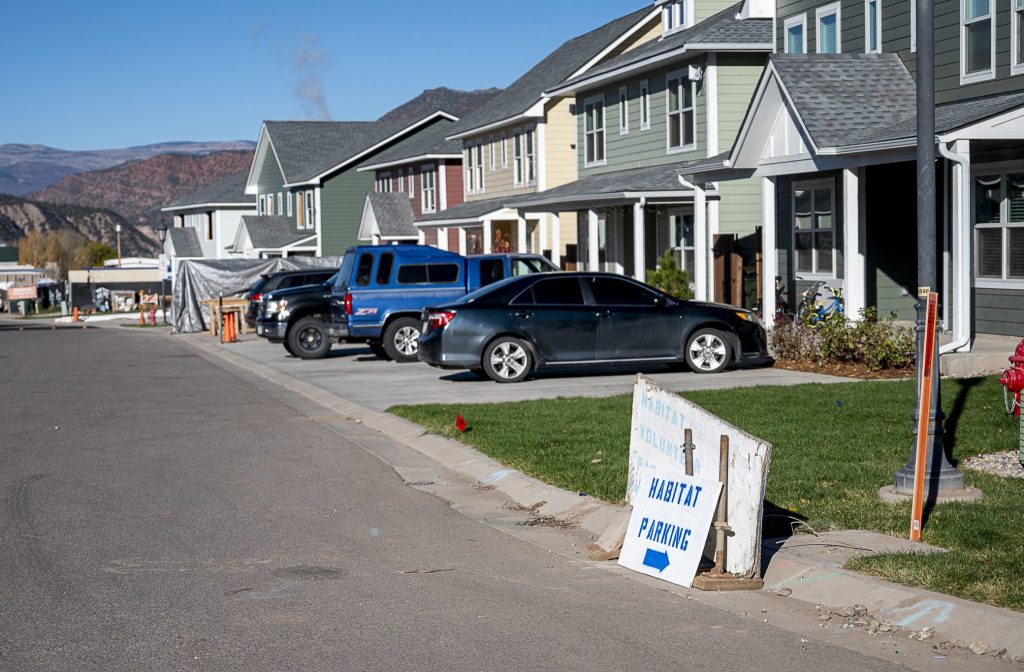
Howard said she’s particularly worried about the loss of land banking grants, which help developers afford to purchase land that might otherwise be out of reach, especially in mountain areas where land is expensive and scarce.
“I do think the loss of that resource will have a big impact on our mountain communities,” Howard said.
Lawmakers are preserving portions of Proposition 123 funding that go toward down payment assistance and homelessness programs, as well as new home construction and rehabilitation. Howard said some of those funds have gone toward the Timber Ridge complex, and she is thankful that those provisions aren’t being cut.
‘It’s gonna keep happening’
Howard said she understands the tough position lawmakers are in this year.
The state’s constitution requires the legislature to pass a deficit-free budget, and Howard added that “it’s very unfortunate that we had to have a cut in Prop. 123 to comply with passing a balanced budget.”
But housing advocates and local government leaders are frustrated that those funds are coming from a voter-approved source.
“When voters approve a funding mechanism for something they deem is critical to the well-being of the state of Colorado and the folks that are working in the state, to have that suddenly snatched back is extremely disheartening,” Crangle said.
Kevin Bommer, executive director for the Colorado Municipal League, which represents more than 270 of the state’s cities and towns, warned that lawmakers’ actions set an uneasy precedent.
“I understand the fiscal situation, but, as voter-approved funds, this is very, very upsetting,” Bommer said during an April 7 House committee hearing on the budget proposal. “Leave Prop. 123 alone, and if the state can’t keep its hands off it, now and forever, once this door is open, once the seal is broken, it’s gonna keep happening.”




Aspen to see new e-bike fees at Maroon Bells this summer
A new $5 amenity fee will be required of all visitors entering the Maroon Bells Scenic Area on e-bikes this season.