Voss: The importance of annual exams


Courtesy photo
As many of you receive reminders from your veterinarian to schedule your pet’s annual exam and vaccinations, you may find yourself wondering: Is all of this really necessary? Why do pets need yearly exams and vaccines if they seem perfectly healthy?
As I’ve mentioned in previous columns, my job as a veterinarian can be challenging for many reasons. Sometimes my patients want to bite me. They can’t directly tell me what hurts. And sometimes there are financial or logistical barriers that make treatment difficult. But one of the biggest challenges is this: animals are incredibly good at hiding illness.
So while it may look like I’m casually chatting with you and greeting your four-legged companion in the exam room, I’m actually gathering an enormous amount of information. I’m watching how your dog walks across the room. Did he struggle to stand up? Is he favoring one leg? Is he excessively itchy when I scratch his ears? Is his respiratory pattern normal?
Annual exams allow veterinarians to detect subtle clues before a pet becomes visibly sick. Sometimes it is a newly-developed heart murmur before any coughing or breathing troubles begin. Sometimes it is a change in haircoat texture that hints at an endocrine disorder. Catching disease early can give us a better chance at successful treatment.
Screening tests serve the same purpose. Bloodwork helps us evaluate how internal organs are functioning. Fecal testing checks for unwanted intestinal parasites. Tick screening helps identify exposure to tick-borne diseases before serious complications develop. After reviewing exam findings and any recommended diagnostics, we discuss which vaccines your pet is due for and why they matter.
Vaccines are just as important as the physical exam itself. Puppies and kittens are born with antibodies passed down from their mother, but over the first few months of life, that protection gradually fades while their own immune system is developing. This is why young animals require vaccine boosters every three to four weeks during their first several months of life. We are essentially teaching their immune system how to recognize and fight dangerous diseases.
In puppies, one of the most serious and heartbreaking infectious diseases we see is parvovirus. Parvo attacks rapidly dividing cells throughout the body, especially in the intestinal tract, bone marrow and lymphoid tissue. The virus destroys the lining of the intestines, causing severe vomiting, diarrhea and abdominal pain. Puppies become dangerously dehydrated quickly and can develop life-threatening electrolyte imbalances or sepsis.
As the disease progresses over several days, the white blood cells become wiped out, leaving the young animal susceptible to secondary infections. While survival can be up to 90% with appropriate care, it can be an emotionally and financially exhausting experience for a new pet guardian to go through, often requiring three to seven days of intensive care in the ICU.
The encouraging part is that parvovirus is highly preventable through vaccination. The core puppy vaccine, commonly called DA2PP, protects against distemper, adenovirus type 2, parvovirus and parainfluenza. If given at the appropriate intervals and when puppies are kept away from high-risk areas until the vaccine series is complete, we can dramatically reduce the risk of this devastating disease. Although puppies are the most vulnerable, adult dogs can sometimes still become infected, which is why boosters continue throughout life, typically every three years.
Cats have their own version of parvovirus called feline panleukopenia. Like canine parvo, it causes severe gastrointestinal disease and destroys the developing immune system in young kittens. Untreated infections are often fatal, but fortunately, the disease is entirely preventable through vaccination. Protection against panleukopenia is included in the core FVRCP vaccine.
There are also several non-core vaccines I recommend for my canine patients here in the valley.
One is leptospirosis, a bacterial disease shed in wildlife urine. In Colorado, the most common vectors for leptospirosis are raccoons, rats, deer, foxes, skunks and mice. Dogs are typically exposed through contaminated standing water, mud or soil. Once infected, they can develop severe kidney or liver failure.
What makes leptospirosis especially concerning is that it is zoonotic, meaning it can spread from animals to humans. If your dog becomes infected, the people in your household may also be at risk. While I do not see large numbers of leptospirosis cases locally, our close proximity to wildlife makes vaccination a smart preventative measure.
Another commonly recommended vaccine is Bordetella, which protects against Bordetella bronchiseptica, a contagious respiratory bacterium associated with kennel cough. Dogs at highest risk are those that spend time around lots of other dogs at parks, grooming facilities, boarding kennels or daycare centers. Most infections cause a mild but persistent cough, although some cases can progress to pneumonia, especially in older or immunocompromised dogs.
Vaccines are not a one-time event. Immunity fades over time, which is why booster vaccines remain important throughout a pet’s life. Staying current on vaccines helps ensure the immune system maintains enough protection to respond effectively if exposure occurs.
The good news is that modern veterinary vaccines are highly effective when administered appropriately. Keeping your pet up to date remains one of the safest and most effective ways to protect their long-term health.
You may have noticed I didn’t mention rabies in this column. That’s because it deserves a discussion of its own. Stay tuned for next week.
Dr. Kelly Voss is a veterinarian at Aspen Animal Hospital, where she practices small animal medicine and surgery. She has a background in emergency and critical care and is passionate about bringing high-quality veterinary care to the mountains. Have a question for the column? Email her at dr.kellyvoss@gmail.com.




Aspen family donates land near Independence Pass for permanent protection
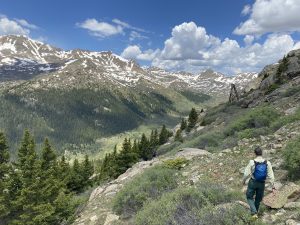
Two years ago, former Aspen City Manager Amy Margerum Berg donated 235 acres on the slopes of Mount Champion to the east of Independence Pass in memory of her late husband, Charles “Chuck” McLean, with the aim of protecting it from any future development.