Snowmass occupancy rises, but still down
Last minute bookings, low snow could contribute to trend

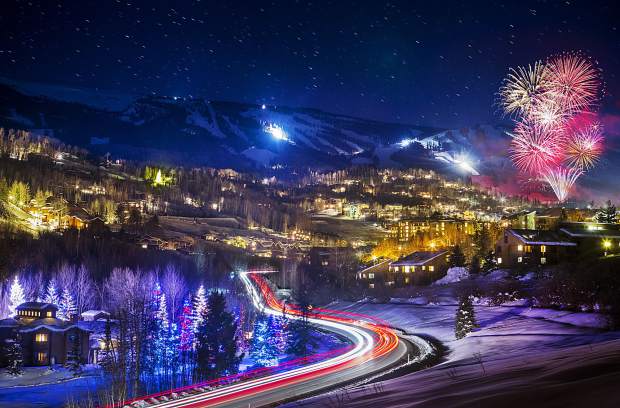
Snowmass Tourism/Courtesy photo
Snowmass’ lodging occupancy is still pacing down for the six-month period between November 2025 and April 2026, though at a slower rate than originally tallied.
Bookings are 8.7% lower for the period compared to the same winter period last year, according to a Nov. 30 report by DestiMetrics, a company that tracks occupancy for Snowmass. The six-month data is two-fold — it’s based on how many people booked lodging in November 2025, compared to November 2026. It also tracked how many people had reserved lodging for the December 2025 through April 2026 winter period as of Nov. 30, 2025, compared to the number of people who had reserved lodging for the December 2024 through April 2025 window as of Nov. 30, 2024.
The November report showed a positive occupancy shift compared to two months earlier, when DestiMetrics released Sept. 30, 2025, data reporting that the town’s occupancy was pacing 13% lower between November and April this winter compared to last.
Snowmass Tourism Director Julia Theisen didn’t pinpoint a reason for the shift, but said that occupancy fills in as the actual date of a lodging reservation approaches. This could be due to an increase in last-minute bookings, a trend she said has become more common in the past year.
“It may be snow related,” she said. “It may just be more of a last minute booking pattern.”
Theisen said she doesn’t think economic factors, however, have a large impact on those deciding to travel to the area. According to a University of Michigan survey, consumer confidence in economic conditions was 21.1% lower in December 2025 than December 2024, at 52.9% compared to 74%.
But those traveling to Snowmass and Aspen, Theisen said, are “to some extent” insulated from consumer sentiment trends, as opposed to more “budget conscious” travelers.
“I think that Aspen and Snowmass — they attract a higher income level of traveler,” she said. “And they’re more insulated by economic fluctuations.”
According to Oxford Economics and Haver Analytics, the top 20% of earners returned to spending a higher percentage of their income on discretionary, nonessential items at a faster rate than the bottom 20% of earners during previous instances of economic turmoil, like the Great Recession and the COVID-19 pandemic.
Despite the lower occupancy pace for this winter’s six-month period, Theisen said she expected lodging revenues to remain relatively flat, as the Average Daily Rate — or the price hotels charge for accommodation — has risen by 9.4% compared to the same six-month period last year.
“The rate is offsetting the occupancy,” she said.
While, as of Nov. 30, reservations were down 6% in December, 3% in January, 8% in February, and 16% in March, the Average Daily Rates were up 3% in December, 5% in January, 14% in February, and 8% in March.
“From a revenue standpoint, we look like we’re doing okay,” Theisen said. “Obviously, we’d like to see March go up in occupancy, which I think it will. We’re continuing to see last minute bookings.”
Skyler Stark-Ragsdale can be reached at 970-429-9152 or email him at sstark-ragsdale@aspentimes.com.

Snowmass occupancy rises, but still down
Snowmass’ lodging occupancy is still pacing down for the six-month period between November 2025 and April 2026, though at a slower rate than originally tallied.

Aspen High School graduate battles rare illness with over 120 days in ICU
An Aspen High School graduate is currently battling a very rare illness, spending her birthday, Christmas, and New Year’s in the Intensive Care Unit.