Snowmass discusses workforce housing requirements amid low snow season

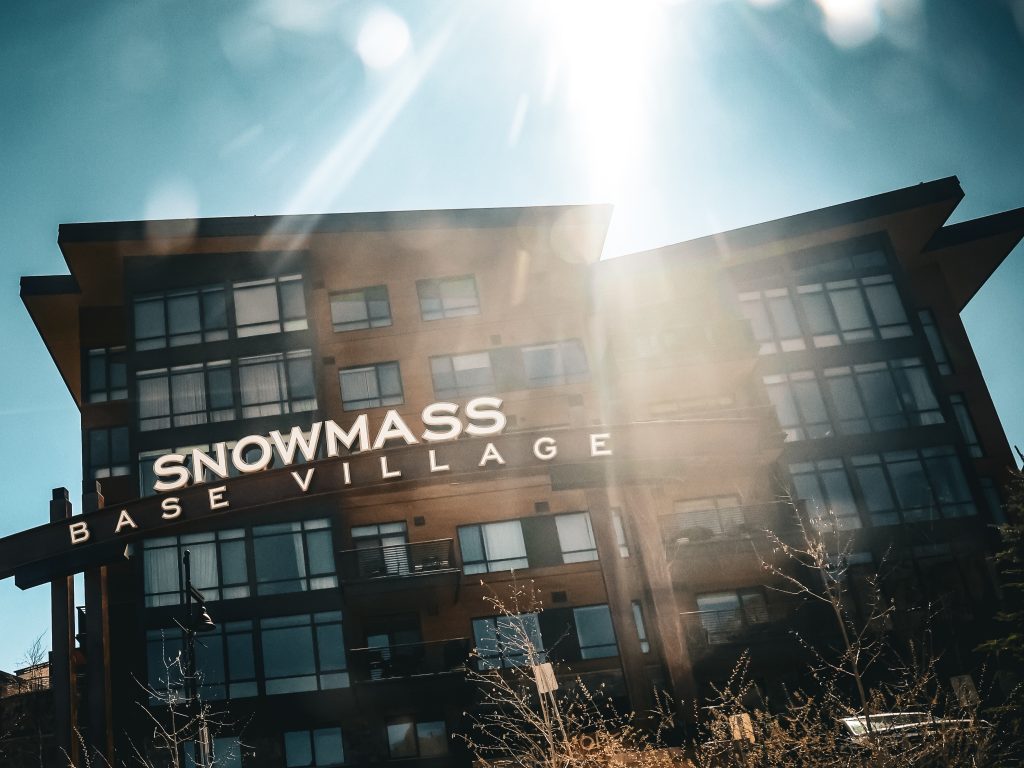
Austin Colbert/The Aspen Times
Snowmass Town Council revisited the town’s workforce housing work requirements Monday following a low snow season that reduced work for employees this winter.
As it currently stands, Snowmass requires a minimum of 1,400 hours a year — roughly 27 hours a week — in order for employees to qualify for workforce housing. In order to get into Snowmass rentals, an individual must work within the town of Snowmass Village, but once they’ve secured a unit they are able to work anywhere in Pitkin County.
“Most people think of full time work as 30-40 hours a week,” said Kevin Rayes, housing director for the town of Snowmass Village. “The idea behind ours being 27 hours a week is to really reflect the seasonality of Snowmass.”
In comparison, Rayes noted the Aspen/Pitkin County Housing Authority currently has a 1,500 hour work requirement to qualify for their workforce housing.
While Snowmass’ setup already addresses in part the inconsistency of work hours in a seasonal place, Council expressed wanting to look into how the Housing Department runs compliance with housing and work requirements in response to the past winter season.
“This is the first time we’ve had a season like this in a really long time,” Mayor Alyssa Shenk said.
Rayes agreed.
“We fully acknowledge the challenging season we’ve had this winter,” he said. “We like to think that much of our program factors in slower seasons and we want to monitor how the rest of the year goes.”
The town currently provides 314 apartments for 412 residents, with all leases beginning on Jan. 1 and ending on Dec. 31 annually. For those who do not make their hours one year, they’re asked to sign an affidavit and given a “grace period” to make the hours the following year, without needing to make up for the hours missed the previous year.
In 2024, 31 signed an affidavit due to being short on hours, according to a memo submitted to council prior to the meeting. Of those 31, 21 people made their hours in 2025, three moved out before the end of 2025 and five had to be informed they must move out at the end of the season for non-compliance two years in a row.
In 2025, 20 new people signed an affidavit due to being short on hours. Of those 20, nine new people also signed a self-employed affidavit requiring them to log hours and file wages on taxes in order for those hours to be counted. Only two residents moved out before the end of 2025, with plans to retire in 2026.
While Rayes said he currently doesn’t have hard data illustrating how the low snow year impacted local employees, he’s heard anecdotally that it slowed down operations for some while others, like those at restaurants in Base Village, saw a busier season because people weren’t skiing as much.
Council Member Tom Fridstein expressed worry about the members of the workforce who were impacted by the low snow season.
“I know there are people in the community that are concerned because they weren’t able to meet their hours,” Fridstein said. “I think we need to figure out some way to reflect the bad conditions and the working conditions this year, and maybe next year too.”
Fridstein and Council Member Cecily DeAngelo both highlighted how those who need to make up hours in 2027 because they didn’t meet hours in 2026 might still be experiencing slower work due to the 2027 airport closure.
“This seems like a system that was built pretty well for a bad year,” DeAngelo said of the way the requirements are outlined. “The one thing that’s exceptional is that this year is going to back into the airport (closure).”
Fridstein added, “There needs to be more flexibility. Our workforce is so important and we want to do the right thing. Do we as council feel the need to be a little bit more compassionate?”
While Shenk acknowledged the need to ensure employees are able to make their hours, she did offer hesitation on increasing flexibility across the board.
“We also don’t want to discourage people to meet their hours,” she pointed out.
Town Manager Clint Kinney said that, instead of a systemic shift in policy, he was comfortable currently operating on a case-by-case basis with individuals.
“You have our assurance that we’re pretty compassionate when it comes to these things,” Kinney said. “We know there are impacts.”
But public comment brought up that many in the community feel afraid of losing their housing despite the Housing Department’s approach. Rayes responded by expressing an open-door policy for people who need assistance while still adhering to the current policy in place.
“We’re going to offer compassion, but we’re certainly not going to suggest there’s flexibility at this point, because we are actively evicting people who haven’t made their hours for two years in a row right now,” Rayes said. “If we suggest that now we’re going to be flexible, we’re going to have a lot of angry people at our doorstep. We’re going to make sure we’re going to address the problem when we have the data.”
Fridstein and the rest of council supported Rayes comments and suggested committing to increased communication to the public as a way to offer reassurance to those in need, through newsletters, public outreach and more.
“Some communication, some dialogue, could go a long way,” Fridstein said.