Roaring Fork Transportation Authority drivers union calls for higher wages

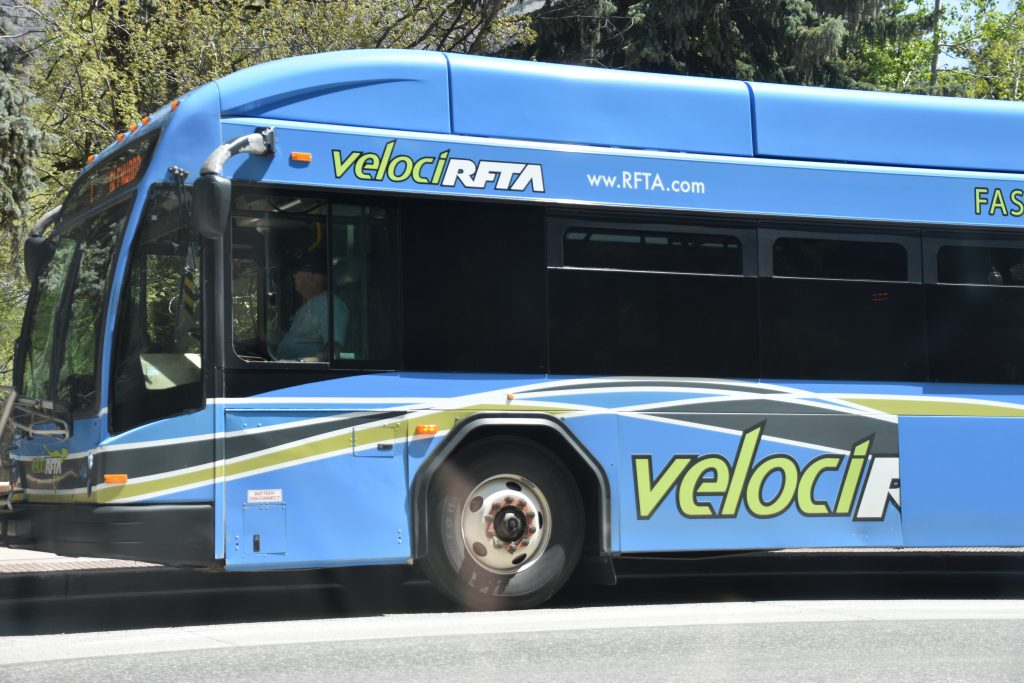
Ray K. Erku/The Aspen Times
The Roaring Fork Transportation Authority (RFTA) and its drivers union are set to begin negotiations Tuesday to address pay and housing issues raised by union members.
The Amalgamated Transit Union 1774 (ATU), also known as the RFTA Drivers Union, said the high cost and limited availability of housing, along with the overall cost of living in the Roaring Fork Valley, has historically made it difficult for many RFTA drivers to afford to live in the area. This has led to driver shortages and disruptions in bus routes that many people rely on for their daily commutes.
Previous negotiations between RFTA and the ATU resulted in a 5% wage increase in 2022 to help address inflation, followed by further wage increases in fall 2023, totaling a 17% increase for full-time CDL bus operators. These pay increases, amounting to 22% in total, had to be approved by the ATU as part of amending the Collective Bargaining Agreement (CBA).
RFTA Chief Operating Officer Kurt Ravenschlag said RFTA has been collaborating with a consulting team, EPS, for about a year to address housing availability and affordability.
“It is in RFTA management’s best interest to offer a competitive wage and benefits package for all positions to enhance our recruitment and retention efforts,” he said. “Thanks to these significant wage adjustments over the past two years, RFTA has met its staffing targets and is ready to deliver our full fall schedule of services for the first time since the pandemic started.”
As part of their work with EPS, RFTA is considering options such as extending the maximum stay in employee housing from two to five years, along with implementing subsidized rent structures that scale based on income and unit type. RFTA is also exploring the expansion of existing rental assistance programs to cover additional costs such as closing costs and repairs. A proposed housing savings plan would involve voluntary paycheck deductions that would be deposited into an interest-bearing account.
“This plan provides RFTA with a roadmap to tackle the housing and cost of living challenges in our region,” Ravenschlag said. “The consultant, in coordination with RFTA management, has identified several strategies to address these issues, including a cost of living stipend. This will be a key discussion item at our June Board Strategic Planning session.”
ATU President Ed Cortez said although RFTA provided staffers a significant wage increase last year, it is still insufficient for a single person or parent to afford housing in the valley.
“RFTA consultants indicated that the recent wage increases aimed to ensure workers would not spend more than 30% of their income on housing,” he said. “Unfortunately, current rent increases exceed this, and we plan to address it during negotiations.”
RFTA and the ATU negotiate a new CBA every three years, with the current agreement expiring at the end of 2024.
Cortez emphasized that drivers do not want to spend more than 30% of their income on housing. To achieve this, the ATU is proposing a five-year progressive wage increase, including a 3.2% annual cost of living adjustment compounded over five years, plus a $3 per hour cost of living increase for the same period.
“This progressive, five-year cost of living increase will reduce driver attrition rates and enable drivers to afford new housing, compared to remaining in employee housing,” Cortez said.
Ravenschlag said it should be noted that RFTA currently offers “the highest starting full-time CDL bus operator wage and the top wage after seven years in the state of Colorado, including all mountain resort and front range transit systems.”

Preps: Aspen boys lacrosse beats Huskies in key league game; baseball splits with Titans
Aspen High School boys lacrosse hosted Battle Mountain on Saturday evening, holding on for a critical 9-8 win over their rival from Edwards.