Pitkin County housing demand continues to outpace supply
New data shows 2,853 additional housing units are needed over the next 10 years

Austin Colbert/The Aspen Times
Pitkin County’s population is leveling, but housing supply continues to lag behind demand significantly, according to a housing need assessment presented to Pitkin County Commissioners on Tuesday.
The needs assessment was done as a step toward securing money that the state government has set aside to assist local governments in meeting affordable housing goals via Proposition 123. Prop 123 was passed in 2022 and, according to the Colorado State Department of Local Affairs, it created a fund of around $300 million for affordable housing efforts.
“Home ownership is just becoming increasingly out of reach,” Rachel Shindman, vice president at Economics and Planning Systems, an economics consulting firm contracted by Pitkin County for the housing needs analysis, said.
Pitkin County is seeking some of that funding for its own affordable housing efforts. However, the area median income, or AMI, in Pitkin County is higher than what is laid out in the statute. Prop 123 has relatively low-income caps for its default regions, so the petition would recognize that Pitkin County has a higher AMI than the default that needs assistance.
The housing needs assessment precedes submitting that petition, which will help governments throughout the Roaring Fork Valley access the grant funds.
The data from Pitkin County’s report shows that, despite upper-valley communities seeing plateauing population growth, housing needs continue to grow and push prices beyond what median- and lower-income earners can afford.
“What that means is that we’re seeing increased pressure on the rental market because those people who would have purchased a home are now in the rental market,” Shindman said. “When you earn $200,000 and can’t afford a home, you can afford a lot more in rent than someone earning $80,000.”
According to report data, the median income in the Pitkin County area for a two-person household was around $100,000. In order to afford a median-priced home in a down valley community, that household would have to earn $200,000 per year. That same median-priced home in an up-valley community would require a two-person household to earn $300,000 per year.
The data also shows that, in 2024, not one up-valley home sold for a price affordable to households earning a $100,000 salary, and down-valley only 2% of homes sold were affordable to people earning that same salary.
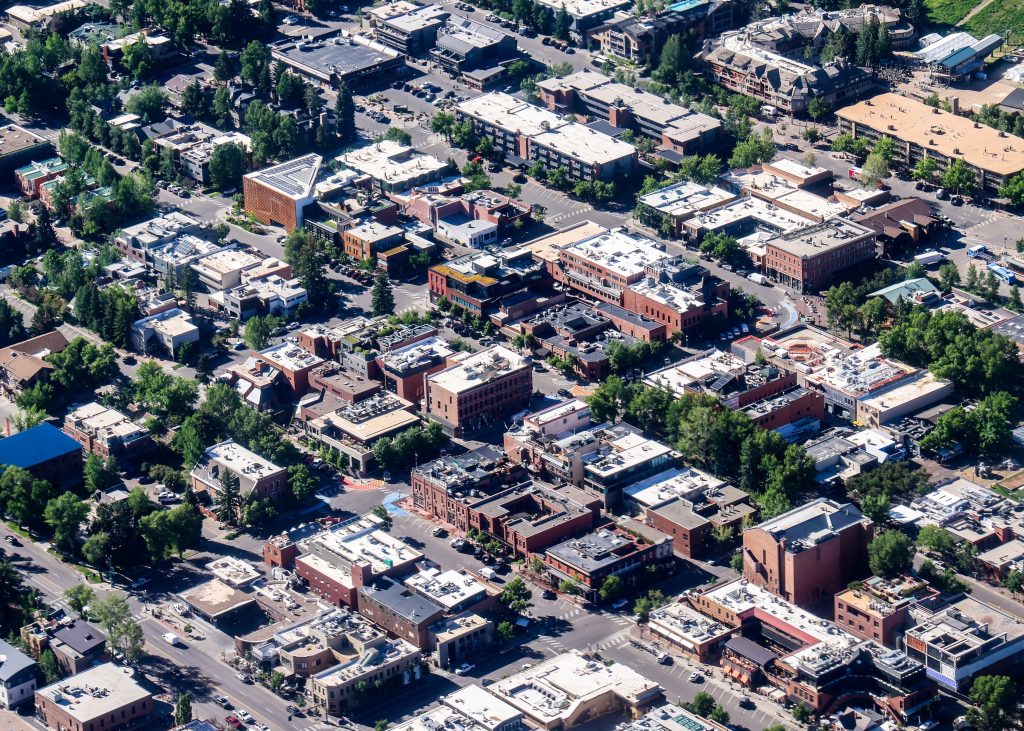
According to EPS, the data in Pitkin County and the associated regions illustrates a need for 2,853 additional housing units over the next 10 years. Around 60% of that demand exists right now, and the remaining 40% is projected to grow over the course of the coming 10 years.
The current housing shortage is leaving the sub-$100,000 salary earning households in the dust, but as the need grows in the future, the higher income earners will get wrapped into the housing shortage as well, according to data presented.
Now that the assessment is done, the next step is for Pitkin County staff to work with EPS to submit the Rural-Resort Petition, which will potentially open up grant opportunities from the state to work on addressing those identified future affordable housing needs.
“We’re going to work with staff on the royal resort income limit petition that can help communities access funds to meet needs at higher income levels,” Shindman said. “Which, when we see that even earning 300% AMI can’t get you to purchase a home, that’s the story we’re telling to the state.”

Aspen Cycling Club results: Butterhack MTB race from June 3
Aspen Cycling Club results: Butterhack MTB race from June 3