New Pitkin County energy use codes now in effect

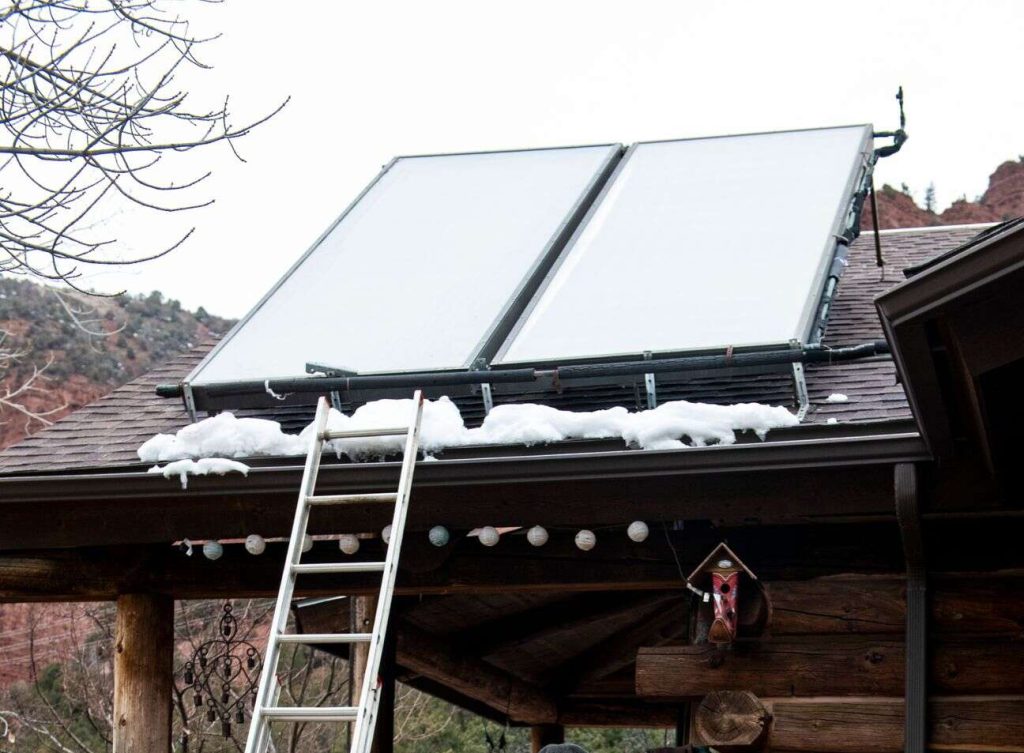
The Aspen Times archives
Updates have now been officially implemented to a Pitkin County code meant to encourage building smaller and more energy-efficient single-family home developments.
The energy use code updates, which went into effect Monday, April 28, separate homes into three tiers based on their square footage. Smaller homes that use only electricity to run the home are in the top tier and receive significant fee exemptions and an expedited permitting process.
“We want to promote, incentivize, and allow development that sits in line with the character and values of Pitkin County,” said Alex Sanchez, community development analyst for Pitkin County. “We think (this change) has great benefits and financial considerations.”
Larger homes will be subject to more stringent energy efficiency requirements and can lose out on fee reductions and faster permits.
Currently, permitting fees are calculated as a percentage of the home’s value. For homes that meet the new criteria, the permit fee percentage drops from 2.7% of the home’s value to 1.6%
In Pitkin county, that can amount to savings of $10,000 to $20,000 or more, according to Sanchez.
Subject to many factors, permitting in Pitkin County can take six to 10 months, sometimes longer. Building homes that fall into the smallest tier of the new energy code, 0 to 3,250 square feet, will move the project to the front of the queue where Pitkin County staff are hoping to take care of it in a matter of weeks or a couple of months.
Homes that fall into the larger tiers, between 3,251 and 5,750 square feet for tier two and above 5,751 square feet for tier three, will still be eligible for quicker permitting periods given they fall within increased energy efficiency requirements. They will, however, fall behind the queue of smaller homes that meet the new code’s requirements.
One of the targets for this new code is exterior energy utilities like heat tape for driveways, pools, and hot tubs. Allowed exterior amenities will have to fall below certain energy use requirements, and could require the installation of on-site solar to offset energy costs.
New developments will lose their eligibility for reduced fees and other benefits if they exhaust exterior energy utilities. That doesn’t mean those amenities are outright banned; within certain limits, exterior energy is still eligible for the new code’s benefits.
But if there are massive amounts of heat tape, large pools, and hot tubs, it is possible that the project will exceed maximum exterior energy limits and lose out on benefits.
The resolution that created this change in code was voted in at a Pitkin County Board of County Commissioners regular session on March 12. The commissioners voted 4-1 for it, with commissioner Patti Clapper voting no to register some concern about meeting the 2030 climate goals.
Pitkin County is hoping that this change, if effective in encouraging smaller and more energy efficient development, could be used as a model for other communities to follow.
“We hope that we start to build a blueprint for other communities that are wanting to get a little more active in addressing climate change in their development space,” said Sanchez.
Any homes that this policy successfully encourages to be fueled entirely by electricity may be considered carbon neutral, or “net-zero,” if Holy Cross Energy is successful in their mission to provide 100% renewable energy to the grid by 2030.

Aspen author Jill Sheeley brings latest book to the fire station
Aspen author Jill Sheeley’s stories are introducing young readers to mountain safety through her stories, as she debuts her new book, “Adventures of Fraser, the Yellow Dog, Rescue on Aspen Highlands,” for young readers at the Aspen Fire Station.