Food insecurity reaches 10-year high on Colorado’s Western Slope as federal assistance program tighten requirements
Childhood food insecurity saw the sharpest increase in 2024, according to a July report

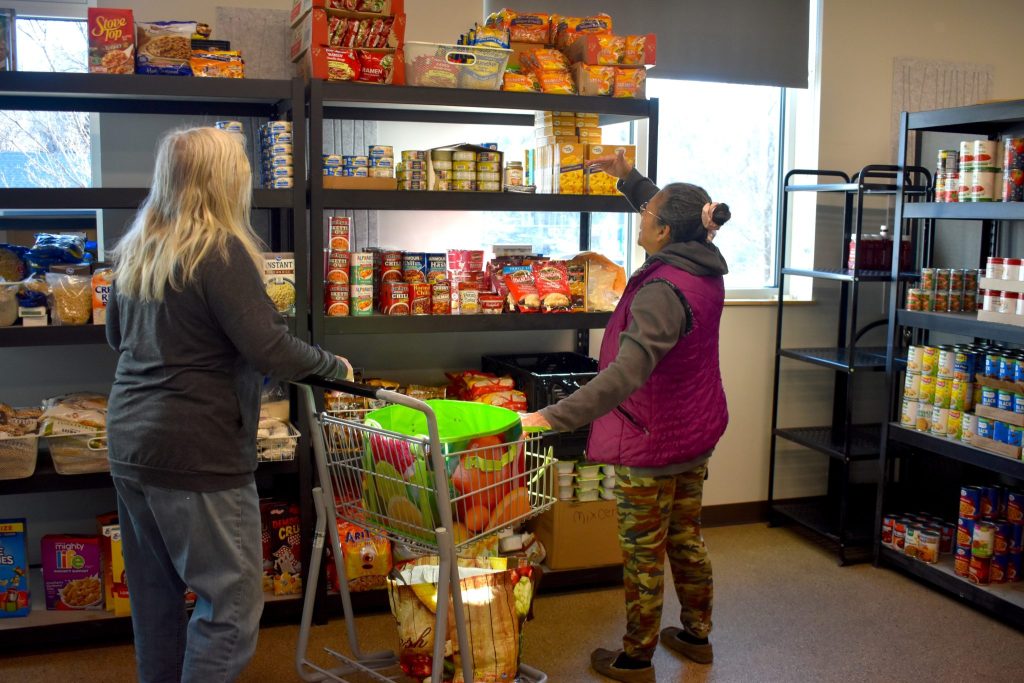
Julianna O’Clair/Post Independent
With rising costs on Colorado’s Western Slope comes rising hunger — and children are catching the worst of it.
A report published by Feeding America in late July found that 1 in 8 residents on the Western Slope experienced food insecurity in 2024, an increase of 3% compared to the previous year and the highest number in 10 years.
One of the demographics to see the biggest jump in food insecurity between 2023 and 2024 is also one of the most vulnerable: children. Amber Hennings, director of development and community relations for Food Bank of the Rockies, said childhood food insecurity rose by 23% on the Western Slope and now impacts an estimated 1 in 5 children.
“That’s the thing that is really startling to us,” Hennings said. “What it says to us is that this is really affecting our families right now. The climate that we’re in, the fact that food prices have remained stubbornly high and these federal supports keep declining, it’s really showing us that families are the ones who are feeling that the hardest.”
Nationally, more than 80% of counties with the highest estimated rates of food insecurity in 2024 were classified as rural. Individuals in food-insecure households reported needing an additional $23.16 per person, per week to cover basic food needs, translating to $33.7 billion across nearly 48 million people experiencing food insecurity.
The rise of hunger in western Colorado’s rural communities over the last decade can be traced back to more than one culprit, though the rising cost of living has been the front-and-center issue for several years.
“Just take a trip to the grocery store and anybody can experience how the cost of living has just continued to increase, and that really is across the board,” Hennings said. “We see cost of living increases and other critical areas that make it harder for people to make ends meet and force people to have to make those decisions on whether or not they’re going to go see the doctor, or pay their electric bill, or put food on the table.”
Nationwide, buying food to eat at home has gotten 33% more expensive since 2019, according to reporting by the Associated Press. Additionally, federal support for food assistance has declined sharply in recent months following major legislative and policy changes.
Hennings said she has seen fewer Coloradans enroll to receive aid from the Supplemental Nutrition Assistance Program (SNAP) compared to previous years, as freezes from 2025 and stricter eligibility requirements from the One Big Beautiful Bill Act have pushed families away from applying.
From 2025 to 2026, Hennings said Food Bank of the Rockies saw SNAP participation in the region drop by more than 2,000 individuals.
“That’s a pretty significant decline for the populations that we’re talking about, just from one year to the next,” she said. “I think there’s an understanding that it’s less accessible … that there are more things that might disqualify you from federal benefits.”
The report also showed that half or more of individuals experiencing food insecurity across several Western Slope counties had incomes that were too high to qualify for federal nutrition assistance — like SNAP — likely stemming from the high cost of living and goods in mountain resort areas.
In Garfield County, half of individuals experiencing food insecurity earn above the threshold to qualify for SNAP benefits. In Pitkin County, where the average cost of a meal is $4.70, that percentage jumps to 60%.
“That gap of individuals who really are unable to qualify for anything but still really can’t make ends meet … we do see that it is higher in the mountain communities where the cost of living is even higher,” Hennings said.
Latino communities in these rural counties are also disproportionately impacted when it comes to accessing meals for themselves and their families. In Summit and Eagle counties, the ratio of Latino residents experiencing food insecurity is closer to 1 in 4 — double the average for the Western Slope.
Since SNAP benefits were paused during the 2025 government shutdown, Hennings said Food Bank of the Rockies, its mobile pantries and hunger relief partners have maintained some of their increased visitation, especially as federal aid requirements have tightened and more people have felt the impacts of inflation.
While food pantries have seen their visitor numbers remain high, community support began to die down after SNAP benefits resumed.
“We’re so grateful first for the outpouring of support that we received when those SNAP benefits were paused, it was really remarkable to see the community come out both in philanthropic support and in volunteerism,” Hennings said. “But yes, (we’ve seen declines) on the amounts that we’re getting. But we still see people who are so committed to the mission and committed to making sure that our neighbors have the food they need to thrive.”
For food banks, food pantries and partner agencies around the state, she said volunteering and monetary donations are the most impactful ways to help, as these organizations can stretch the dollar a lot further than in-kind donations. For every $1 that Food Bank of the Rockies raises, she said, it’s able to provide three meals to the community.
“We’re in the same boat as our neighbors are. We also experience the increases in food costs,” she said. “We’re doing what we can on that side of things, but it’s certainly apparent that more people are in need right now.”
Officials remind Penny Hot Springs users: ‘Don’t abuse the area’
After a Jeep ended up in the water at Penny Hot Springs recently, officials are reminding those enjoying the area to maintain respect and stewardship of the increasingly popular place.




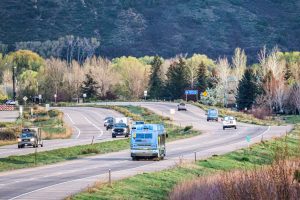
Roaring Fork Transportation Coalition advocates for HOT lane, congestion pricing on Hwy 82
The Roaring Fork Transportation Coalition presented to Snowmass Town Council Monday on potential plans aimed at reducing traffic congestion on Highway 82 and improving the quality of life for valley commuters.