Retailers and bankers in Colorado’s mountain towns adjust to life without new pennies
Two months after the Denver Mint produced its last penny, bankers on Colorado’s Western Slope say they’re limiting requests for pennies, while some businesses are rounding their prices

Taylor Cramer/Post Independent
Two months after the suspension of penny production in the U.S., retailers and bankers across Colorado are still navigating the decision. Even as federal guidance remains scarce, many say the change hasn’t rattled them.
Some businesses in Colorado’s rural mountain towns have turned to strategies like price rounding and asking customers for exact change as they operate with limited pennies. For others, it’s business as usual.
The U.S. Mint officially ended production of new pennies for general circulation in November to cut government spending, stating continued production would not be “fiscally responsible or necessary” due to the cost of production and increasing number of non-cash transactions.
Over the span of 10 years, the cost of production for the penny had risen from 1.3 cents to 3.69 cents per penny, according to data from the U.S. Department of the Treasury. The department predicts that suspending production will result in annual savings of roughly $56 million in reduced material costs.
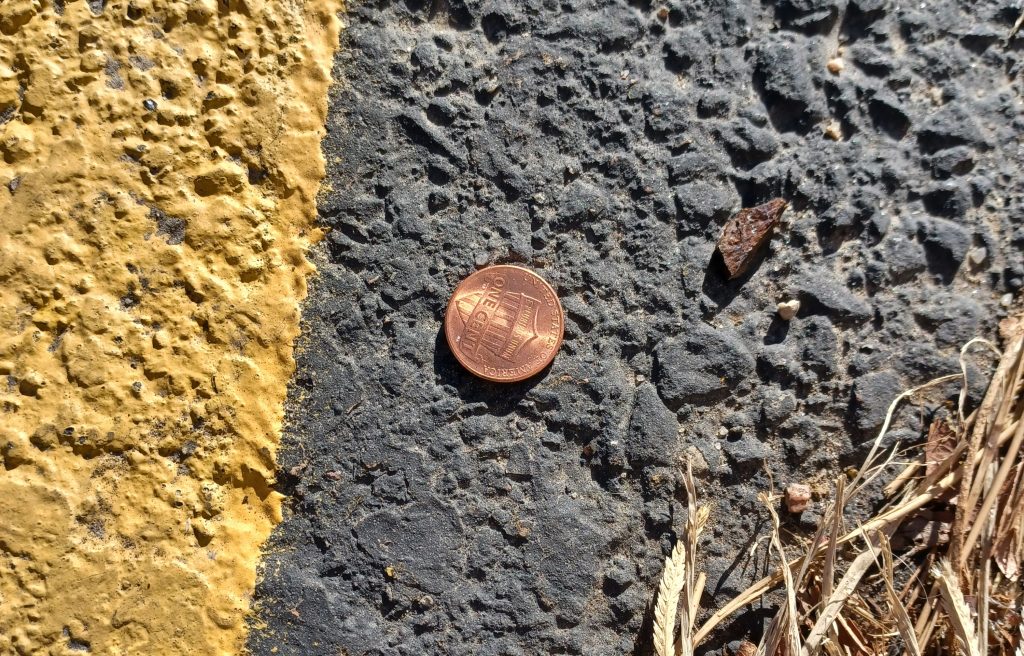
Although the federal government has stopped manufacturing new pennies, the coin itself is still in circulation and will continue to be recognized as legal tender. The Federal Reserve also said it will continue to recirculate the roughly 114 billion pennies currently in existence for now, with future changes being largely dependent on consumer behavior.
Luckily for most businesses, digital transactions rule the market. Which is why today, more than two months after the Denver Mint produced its last penny, both banks and businesses say the impact on their crash transactions has been minimal.
“Not to say that our teams don’t get questions occasionally, but it’s a non-event. (We’re) not hearing about it,” said Mandy Jeffcoat, director of branch operations with Credit Union of Colorado.
Some banks began seeing impacts to their supply far before the last penny was minted in November. The Treasury first announced that the Mint had stopped purchasing penny planchets in May 2025, adding that penny production would end once the planchets were exhausted.
When a branch of the Credit Union of Colorado tried to order pennies from the Federal Reserve back in September, staff at the credit union was told the Fed no longer had a supply of pennies and therefore could not fulfill orders for penny rolls.
“I was surprised that we were not able to get rolled pennies as early as September. … I thought it was going to take a lot longer before the Fed ran out of their supply,” Jeffcoat said.
What that means for members, she said, is that the credit union can no longer provide rolled pennies or give them out in bulk. Their existing inventory of pennies is still enough to provide change for individual requests.
“We have a limited supply of pennies right now, and we thankfully have a pretty good amount of inventory across all of our branches,” she said. “Because we have a good amount of inventory on hand, we’re still able to make change for members. So if they cash a check or if they want to withdraw 36 cents from their account, we still have pennies to be able to do that.”
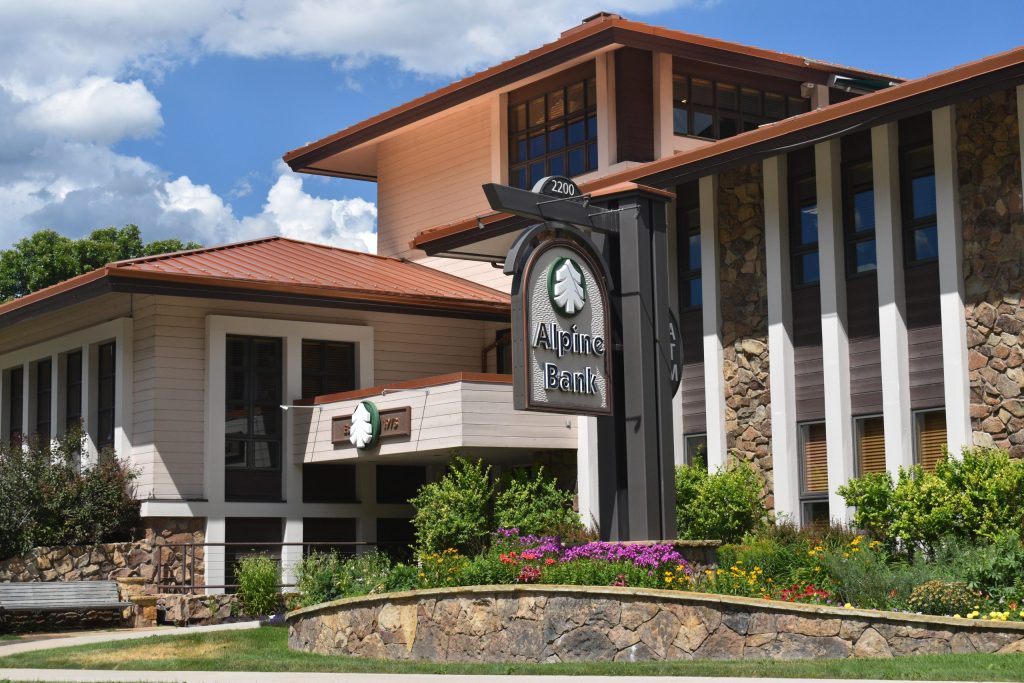
Angela Meraz, executive vice president of Alpine Bank in Glenwood Springs, said the bank still has a good supply of pennies for day-to-day operations across its Colorado locations, but is limiting some requests.
“We’ve been managing our penny inventory more conservatively over the past several months, especially knowing that this was going to happen,” Meraz said. “With the production of pennies ending and no direction for how banks and businesses are supposed to handle this change, we’ve just been trying to navigate this the best we can to continue to support our customers.”
Aside from the The Common Cents Act, Credit Union of Colorado and Alpine Bank both said their organizations have not received direct federal guidance on how to handle penny shortages, were they to arise, leaving them to figure it out as they go.
“We put (the limitations) in place because we want our supply to last as long as we can,” Meraz said. “That gives time for everybody to work out, ‘What does this look like?'”
Businesses, banks begin rounding change
For the most part, several businesses in Colorado have enough pennies to give out change and get through day-to-day transactions, though some have started conversations about implementing rounding practices in the coming months.
As pennies fall out of circulation, chain businesses have put up signs asking cash-paying customers to pay with exact change when possible. Others have responded by rounding cash transactions to the nearest five cents to avoid the use of pennies altogether.
Under the penny-rounding practice recommended by the Treasury and laid out in the The Common Cents Act — a bipartisan U.S. bill that would require cash transactions to be rounded to the nearest five cents — cash transactions are rounded to the nearest nickel. For example: purchases ending in 3, 4, 8 or 9 cents are rounded up, while those ending in 1, 2, 6 or 7 are rounded down. Because transactions would be rounded down as often as they’re rounded up, there should be no notable impacts on consumer prices, the Treasury states.
Same Colorado retailers have personalized their rounding policy to favor the customer, meaning all cash transactions are always rounded up.
FirstBank, which serves communities in Northern Colorado and in Western Slope towns like Glenwood Springs and Aspen, said its locations have chosen to round cash transactions to the nearest nickel in the customer’s favor when exact change is not available, whether or not the customer banks with them.
“Until federal guidance clearly addresses banks, many institutions are choosing consumer-friendly policies, and we think that’s the right call,” Dave Portman, Roaring Fork Valley Market President with FirstBank, said in an email.
Portman said FirstBank has not had to round any transactions to date, which the bank credits to its proactive communication with customers.
“We were intentional about notifying customers early, explaining potential shortages, and answering common questions so they knew what to expect,” he wrote.
Jeffcoat said she’s seen signs in stores about rounding up or requesting that customers use exact change when possible, but that they appear to be more prominent in larger, national chain businesses.
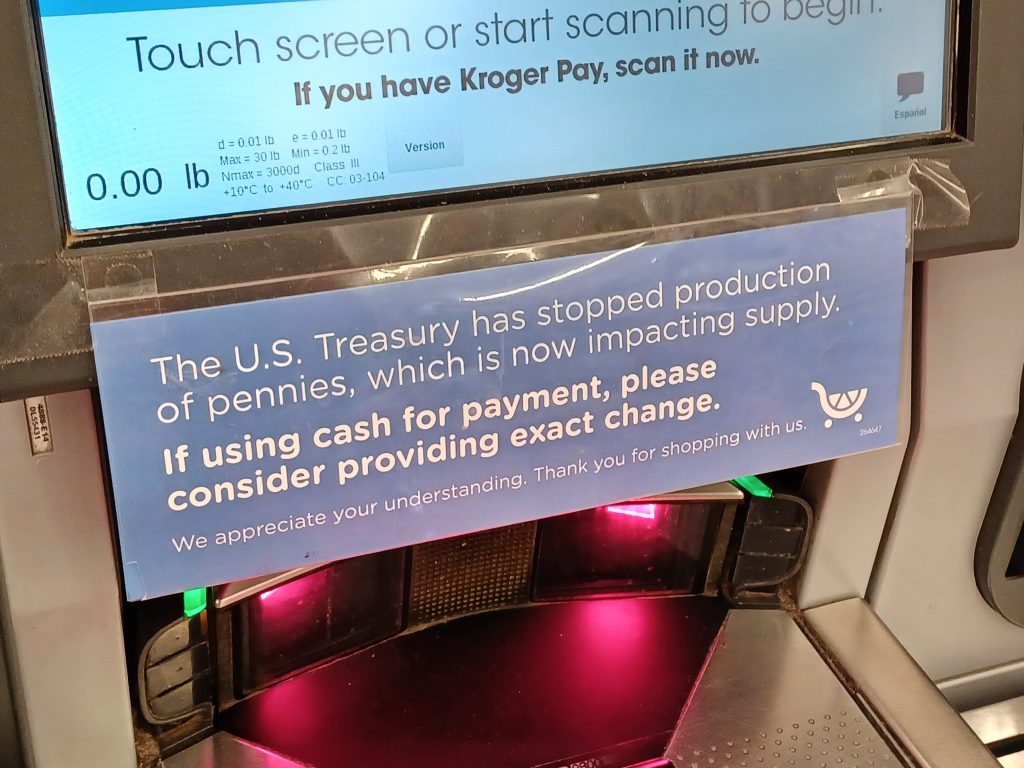
Kroger stores across the state, like King Soopers and City Market, have started displaying signage at their self-checkout counters informing shoppers about the U.S. Treasury’s decision to stop penny production and asking them to “please consider providing exact change” when paying with cash.
Kroger did not respond The Aspen Times request for comment.
“With my ma-and-pa type businesses that I frequent as a consumer, I have not noticed anything,” Jeffcoat said. “But again, I pay for everything with my Credit Union of Colorado Visa platinum cards, so I’m not transacting cash.”
One of the reasons several banks and businesses across the Western Slope have seen minimal impacts to their penny supply in early 2026 is because of the shrinking number of customers that rely on cash transactions. Those using credit cards or other digital forms of payment wouldn’t see any rounding in their receipts.
“The majority of our members don’t transact in cash. A lot of our transactions are digital — we’re transferring money, we’re doing a wire, maybe cutting a check,” Jeffcoat said. “I’ve been in this industry for over 20 years, and that’s just changed a lot over the years. There’s less and less cash transactions.”
No pennies? No problem, say some Western Slope businesses
Some local businesses in Colorado’s mountain resort towns have already cracked the code to immunity, having transitioned to rounding practices long before the end of penny production in the United States.
Golden Leaf, a cannabis dispensary in Steamboat Springs, prices their products to a round number with tax included, removing the need for pennies in day-to-day cash transactions.
“We kind of have everything ran here for the most part to where we don’t really deal with change,” budtender Gage Baxter said. “We keep a change drawer and everything like that, but most of our sales come out to a round number to begin with, and that was before the penny minting even happened.”
A majority of cannabis dispensaries in Colorado are cash only. Rounding to the nearest dollar has long served as a workaround to avoid dealing with excessive change.
“A lot of places, especially on the Front Range that you’ll go to, you’ll see a price advertised and then you get hit with those crazy taxes at the end,” Baxter said. “So we just like to have our stuff priced to a round number. … The tax included with it brings it to a whole dollar and just kind of keeps everything easy.”
Services that rely on speed and easy transactions, like food trucks in a bustling farmer’s market, have already uncovered the benefits of price rounding. Colorado Q, a family-owned BBQ food truck based in Grand Junction, hasn’t dealt with pennies, nickels, or dimes since it opened 10 years ago.
“The unique part about what we do from the free truck standpoint is, the way we’ve operated is to keep things moving a little more quickly, keeping things simple as far as the change stuff,” said owner Steven Preuss.
The food truck’s listed prices include tax, so hungry customers don’t have to worry about additional charges. Instead, when customers aren’t using cards or a digital form of payment, their total comes out to a round dollar amount.
“It’s just for the ease of mind and trying to get people in and out quickly,” Preuss said. “Counting pennies and nickels and stuff when you’ve got a whole line of people gets kind of tiresome.”
Services at the Starbrite Laundromat & Cleaners in Glenwood Springs are already rounded to the nearest quarter, 50 cents, or dollar. Although not impacted by a possible future penny shortage, a spokesperson at the laundromat — who requested their name not be used in the story — said they hope this shift will bring more popularity to the dollar coin, which is much more useful than a penny in the laundromat business.
Although dollar bills only last around 7 years in circulation, according to the Federal Reserve, dollar coins weren’t actively adopted by most retailers partially due to limited slots in their cash drawer — coin slots that will soon carry less pennies.
“We’ve been using dollar coins for 25 years,” the spokesperson said. “I really think this is kind of a good thing. … But then again, now it’s kind of a moot point because everybody uses credit cards and debit cards.”
While banks and businesses wait for guidance from the federal government, the threat of penny shortages have mostly remained a topic of conversation. Meraz and Jeffcoat said their banks haven’t noticed any abnormal consumer behavior like hoarding pennies or making large coin exchanges. Mostly, they’ve just had questions.
“When you think about it, a lot of customers use debit cards and credit cards, so they’re not really feeling an impact that we’ve noticed,” Meraz said. “It’s just more curiosity.”
For now, businesses are unsure if and when they’ll see larger operational impacts as existing pennies continue to circulate. In a December news release, the Treasury advised retailers to continue accepting pennies and providing penny change for cash as usual.
“We’ve somewhat been seeing some articles of what businesses are doing, but I think everyone’s going to be trying some different ways to figure it out. I’m sure once we actually get to that point where it’s more well-known on how to accommodate it, we’ll have some better solutions overall that people will be sharing,” Preuss said. “Luckily for me, food truck-wise, I’ve avoided it from the beginning, which has been nice.”

18th Aspen Fringe Festival’s creates silver linings with local talent
The 18th Aspen Fringe Festival is returning — bringing together award-winning dance, independent film and theater — for two nights beginning at 7:30 p.m. June 12-13 at the Wheeler Opera House.