Beyond the Algorithm: Beyond the Glass Cube Pt. 1, a different measure of success
Bob Bridger on Aspen’s changing character, a life-threatening stroke and the community that carried him through
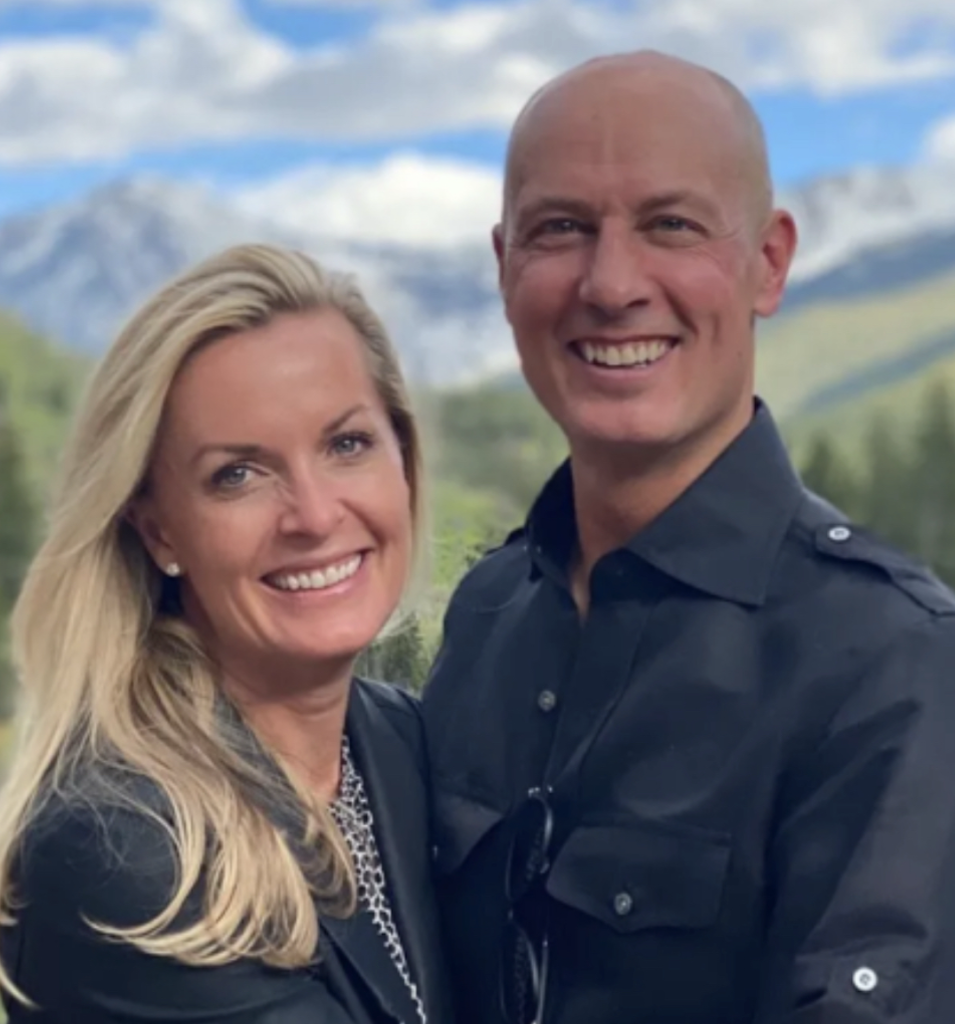
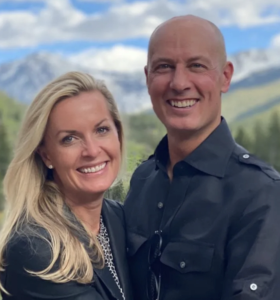
Courtesy photo
During 13 years as Apple’s vice president of real estate, Bob Bridger helped shape hundreds of stores around the world, including the famous glass cube on Fifth Avenue.
Bob’s time at Apple culminated in a deeper understanding of what matters most, and soon after leaving his position there, he arrived in Aspen, where he discovered the true value of community as he confronted his own mortality.
In this two part series, Bryan Welker sat down with Bob to reflect on his time at Apple, his conversations with Steve and how attention given to the simplest details can shape society at large.
Bryan: Do you remember the first time you laid eyes on Aspen?
Bob: Yes. I came to visit a friend who had said I should come. Before I had only visited Vail. I remember driving over, seeing Mount Sopris and realizing, “Wow, okay, this is a different place.”
Then you arrive in Aspen and see the topography and the charm of the town. It is just so different. That was back in 2014. In 2015, I moved here with my family, intending to stay for a year, and I’m still here.
Bryan: How would you describe yourself and your career?
Bob: It’s an interesting question because one of the things I always liked about Aspen is that when people here ask you what you do, they’re asking whether you ski, snowboard or uphill, right? To answer the question, I have built and created some amazing spaces and buildings throughout my life.
Bryan: Aspen is going through an interesting period. Longstanding local businesses are disappearing while more corporate and luxury brands arrive. What did Apple teach you that might be useful to local businesses?
Bob: Every time someone comes into your place of business, they should leave feeling that something improved for them and that they want to return. Sometimes it is something really simple: a gracious greeting and a friendly conversation. A lot of Aspen businesses are like that.
One thing we learned at Apple was that we could create a beautiful setting, but the people in it, serving the brand, were ultimately the most important part of the experience. The tricky thing is that people come to Aspen from all over the world with certain expectations. They seem to like the local businesses, but they also like the Madison Avenue and Fifth Avenue storefronts.
Locals may not shop at all those stores, but visitors who bring vibrancy and revenue to the community appreciate the combination. What concerns me is the imbalance that is developing. Small local restaurants we cherished are being replaced by higher-end and more expensive restaurants that do not necessarily know your name.
Bryan: There is a difficult tension between preserving Aspen’s character and recognizing that property owners and businesses have their own financial interests. How do those things coexist?
Bob: In some ways, landlords, tenants and the community all have to embrace the idea of cherishing what exists while remaining open to something new that reflects the community’s character. It is a very interesting dance.
There has to be that sense of collaboration. Sometimes, you need a catalyst. Community leaders, business leaders and landlords could be well served by working together and saying, “Let’s foster this idea.” Otherwise, Aspen could become a row of international luxury storefronts that feel a bit soulless to local people.
Unless the community participates in shaping the story, other forces will control it, and it will continue on its own. You cannot halt progress. You have to embrace it.
This has been a progressive place for decades. We should understand that Aspen is going to change and recognize that change as part of what many of us celebrated when we first came here.
Bryan: You suffered a life-threatening stroke shortly after moving to Aspen. How did that experience change your perspective?
Bob: In 2016, I had a stroke. The emergency department at Aspen Valley Hospital told me I was not going to live. They said the important thing was to find closure with my family.
I said goodbye to them. I did my best to be gracious and say adios. Then I was placed on a Life Flight to Denver. My entire left side was paralyzed, and I had 50 minutes on that flight.
If that had been the end, I felt okay with it. Nobody should have to go through that, but it creates a certain sense of clarity.
I survived, and then I had to rebuild the neural pathways to each muscle, one at a time. It was a crazy journey and a whole other story. What you realize is, first, that anything is possible. Second, you understand that each moment we have is precious because you never know when the end will be upon you.
Bryan: What has Aspen taught you about the importance of community?
Bob: I believe, in many places, that community as we once knew it has diminished. Many people do not know their neighbors, and that is sad. That is one of Aspen’s beautiful qualities.
When I was in the hospital after the stroke, the amount of support I received was unbelievable. The hockey community took a jersey, had everyone sign it and sent it to me with all their good wishes. You could feel the energy coming from the people around me.
I had only been in Aspen for about a year, but the community rallied around me and stayed with me throughout my rehabilitation. It is a magical place.
Bob’s first chapter in Aspen revealed how deeply a place can shape a life, especially when a community rallies as life changes without warning.
In Part Two, we will look back at the career that shaped his approach to building, from learning the trade by hand to creating some of Apple’s most recognizable spaces.
Bryan Welker lives and breathes business and marketing in the Roaring Fork Valley and beyond. He is President, Co-founder, and CRO of WDR Aspen, a boutique marketing agency that develops tailored marketing solutions. Who should we interview next? Reach out and let us know bryan@wdraspen.com.
Beyond the Algorithm: Beyond the Glass Cube Pt. 1, a different measure of success
During 13 years as Apple’s vice president of real estate, Bob Bridger helped shape hundreds of stores around the world, including the famous glass cube on Fifth Avenue.