Aspen joins a movement of music with ‘once-in-a-lifetime’ benefit concert
SOUND & SOUL at Belly Up Aspen welcomes DJ Gryffin to support Playing For Change Foundation

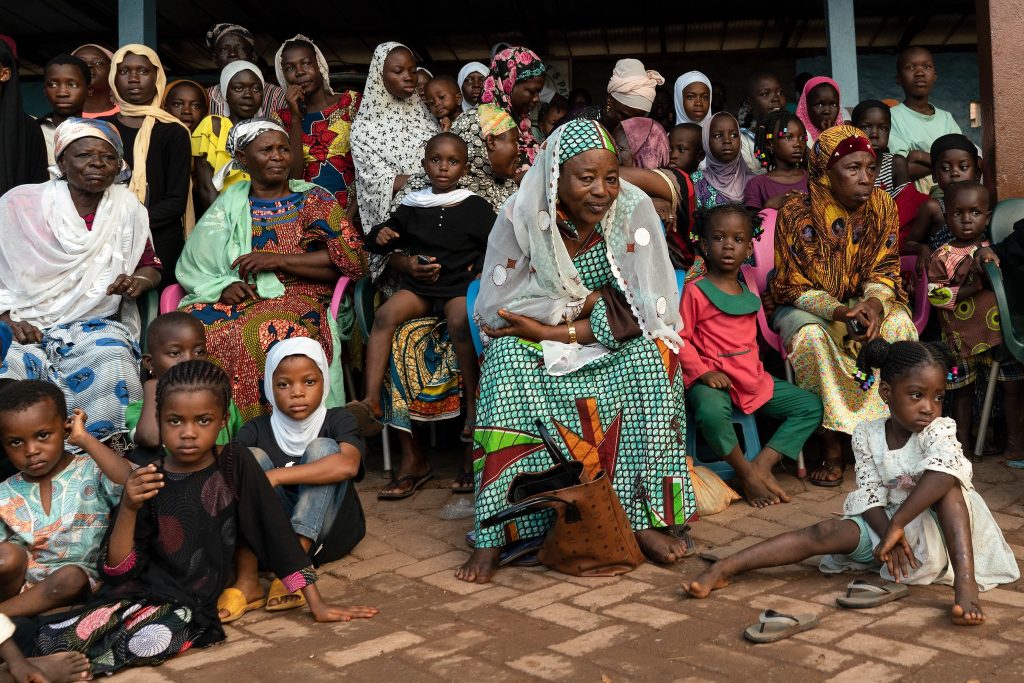
PFCF/Couresty photo
Playing For Change Foundation, a movement to enact change through the power of music, will strike a chord with Aspen on Wednesday, Feb. 18, with a historic celebration of SOUND & SOUL at Belly Up.
The exclusive event will present American DJ Gryffin, with proceeds going toward PFCF’s work supporting young people in over 130 communities across 27 countries. PFCF is a community-first initiative, engaging marginalized youth primarily located in low and lower-middle income countries with the aim of healing, connecting, and empowering through music and culture.
“Funds raised at SOUND & SOUL Aspen will directly fuel our mission to drive unparalleled social change through music,” said Stacey Glassman Mizener. “Every dollar raised helps transform music into measurable impact — turning sound into lasting social change.”
Proceeds from this event will directly support foster youth in PFCF’S Santa Ana, California, program, empower Indigenous youth in South Dakota with sustained music and arts education, and provide critical healthcare services for young survivors of human trafficking in Guatemala.
“Through these programs, we deliver best-in-class music and arts education that not only cultivates creativity and opportunity, but also fosters joy, resilience, and meaningful pathways to healing from trauma,” Mizener said.
According to Mizener, PFCF listens and learns first. Prioritizing the music and cultural traditions of individual communities, PFCF then uses that “cultural wealth” as the foundation of building relationships, motivation, and self-confidence, particularly for youth facing crime, drug abuse, alcoholism, violence, and more. PFCF’s mission is to allow youth to celebrate who they are and where they come from, alongside creative expression, social emotional development, and other transformations.
“From the very beginning, we understood that no single organization — no matter how passionate or well-resourced — can solve complex global challenges alone”, Whitney Kroenke Silverstein, co-founder and board chair of PFCF said in a shared statement. “Instead of building large, centralized infrastructures in every country, we invest in and strengthen local leaders who already understand their communities. Then we bring funders, artists, institutions, and community stakeholders into a shared ecosystem.”
PFCF has worked with those facing human trafficking in Guatemala and Nepal, food insecurity and tribalism in refugee camps in Uganda and Syria, mental health and Post-Traumatic Stress Disorder in conflict areas like Ukraine and Sierra Leone, and gang and domestic violence in South Africa and Brazil.
“The list goes on and on,” Mizener said. “Each community faces its own distinct challenges, and our role is not to bring in outside solutions but empower those on the ground to develop and drive positive change to create the solutions that work best for each respective community.”
In the Bidibidi Refugee Settlement, more than 200,000 South Sudanese refugees currently reside where an ongoing civil war has pitted tribes against each other since 2013, she shared.
“Hundreds of thousands poured into northern Uganda, and these tribes had no choice but to live next to each other amidst limited resources, hunger, and extreme poverty,” she said. “Our program was designed by South Sudanese refugees to build peace in Bidibidi by bringing these diverse groups together through music and dance programming. This programming has created a space for dialogue, mutual understanding, and respect.”
Mizener noted that PFCF’s local program director Mawa Zacharia said, “These tribes were killing each other in our home country. Today they dance with each other.”
While the ultimate goal for change might look different in every community, identifying what holds each next generation back from being part of their own future is a key component — this could be gender and caste discriminations in India, what Glassman Mizener called “alarming” teen-suicide rates on the Pine Ridge Reservation in South Dakota, or extreme desertification in Morocco — and then fostering locally-led solutions.
“In a world where challenges are interconnected, our response must be interconnected as well,” Silverstein said. “Knowledge is shared. Networks are shared. Best practices travel across borders. The coalition becomes a living exchange of ideas, strategy, and innovation. The communities have the solutions to their own problems, they just need our support to nurture them into reality.”
While PFCF’s impact spans the globe, funding predictability can still be a challenge, along with awareness of what music and arts can actually accomplish. PFCF’s partnership with Belly Up Aspen aims to welcome Aspen’s own community into a shared space of purpose and performance, to not just learn more but to support and experience the movement firsthand. Both Silverstein and PFCF Board Member Josh Taekman have deep roots in Aspen, along with local support of the Goldberg family.
“It felt like a natural alignment,” Mizener said of the partnership between PFCF and Belly Up Aspen, “a legendary music venue partnering with an organization that believes music can create opportunity and connection around the world.”
Gryffin’s participation in the event is one of many, many artists who feel aligned with the mission of PFCF.
“Music brings people together,” Gryffin said. “That’s why I’m happy to support Playing For Change in creating access for kids around the world to explore music, creativity, and their own potential — no matter their circumstances. Every young person deserves the chance to chase their dreams, just as I did.”
For tickets to Wednesday’s “once-in-a-lifetime” night, visit bellyupaspen.com/events/gryffin-3.
For those interested in learning more about PFCF and donating to the cause, visit playingforchange.org/donate. Those unable to attend Aspen’s event can still become a monthly supporter of the program, join global coalition calls, or travel with PFCF to a program.
“When I say music is the North Star, I mean it is our constant — the steady guide across cultures, geographies, and circumstances,” Mizener said. “Communities may face different struggles. Languages differ. Histories differ. But music remains universal. It cuts through division. It builds trust. Music keeps us focused on possibility instead of deficit. It reminds communities of what they already have — their rhythms, stories, traditions, and talent. It gives young people a way to be seen and heard. Music doesn’t solve every problem. But it opens the door to solving them together.”
Aspen joins a movement of music with ‘once-in-a-lifetime’ benefit concert
Playing For Change Foundation, a movement to enact change through the power of music, will strike a chord with Aspen Wednesday, Feb. 18, with a historic celebration of SOUND & SOUL at Belly Up.




Jazz Aspen Snowmass announces Labor Day lineup
Jazz Aspen Snowmass has released its line-up for the 2026 JAS Labor Day Experience, bringing together a mix of global superstars, breakthrough artists, and fan favorites for an unforgettable weekend of music.