Q&A: Meet the candidates running for Colorado’s 3rd Congressional District
Dwyane Romero is facing off against incumbent Jeff Hurd in the Nov. 3 midterm election

Staff report Follow
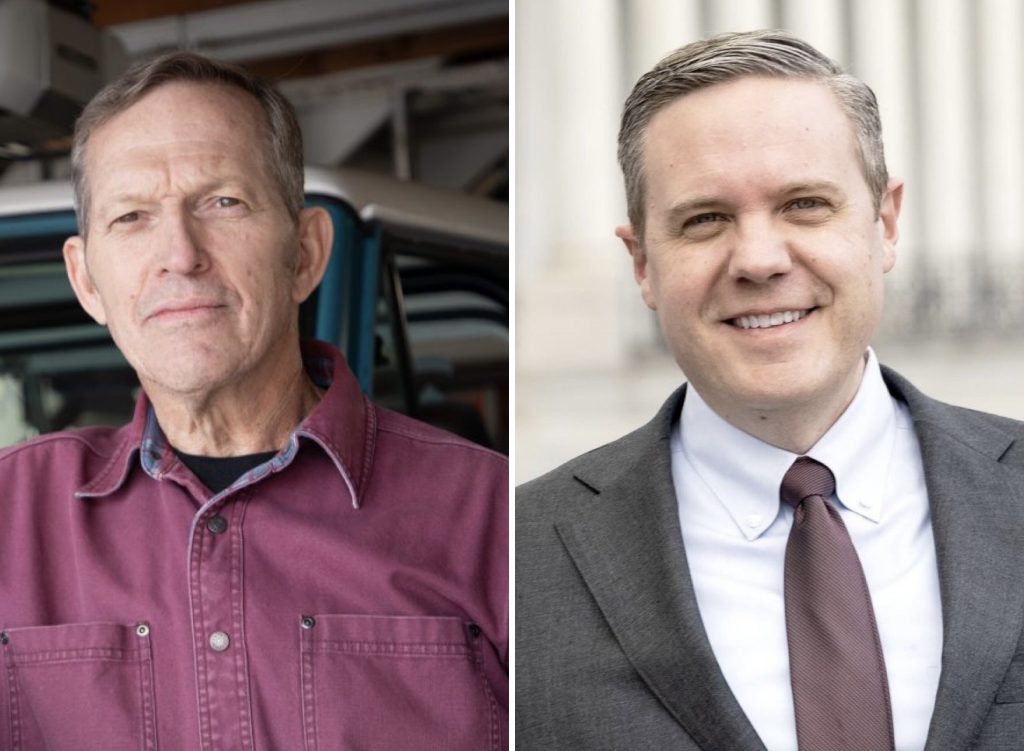
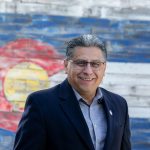
Courtesy photos
Republican incumbent Rep. Jeff Hurd is running against Democrat Dwyane Romero in the Nov. 3 midterm election for Colorado’s 3rd Congressional District. The Aspen Times asked each candidate five questions about some of the key issues facing the district.
Question 1: Colorado’s 3rd Congressional District is broad and diverse, from ski towns to ranching and farming communities that span the political spectrum. As a member of Congress, how will you ensure you are representing all your constituents, even those who might not have supported you?
Romero: The only way to make sure you connect with everyone in a district this large and diverse is to beat feet and talk to people one on one. That’s important to me — it’s been true on the campaign trail — and it is true if you are the representative. Unfortunately, Jeff Hurd literally has been phoning it in rather than having in-person town halls with his constituents. When I am elected to Congress, I will continue to travel across this district and connect with voters directly.
Hurd: My responsibility is to represent everyone in Colorado’s 3rd District, whether they voted for me or not. I try to approach this job by listening first, spending time in communities across the district and focusing on the issues that affect people’s daily lives.
That means protecting our water, supporting rural hospitals, improving roads and infrastructure, keeping energy reliable and affordable and making sure western and southern Colorado have a voice in Washington.
I also believe governing requires working with people with whom you disagree. I have worked with Republicans and Democrats on water, conservation, health care, public lands and government reform because good ideas do not belong exclusively to either party.
My approach is straightforward: put the district first, work with anyone who wants to solve a problem and remember that the job belongs to the people I represent.
Question 2: The cost of living in Colorado’s mountains, from housing to childcare, continues to challenge working residents. What actions can Congress take to actually lower costs for western Colorado?
Romero: Prices are out of control, especially the cost of food, gas and healthcare. The President started a war that jacked up prices at the pump and cut healthcare spending to the bone, driving up how much it costs to buy medicine or afford health insurance. Congressman Hurd has been a rubber stamp for that agenda. When I get to Congress, I will stand up to the President or politicians to keep costs low.
Hurd: For many families in western Colorado, affordability is the issue that touches everything else. Housing, child care, groceries, insurance, utilities and transportation have all become harder to afford.
Congress should start by addressing costs government can influence. We need faster and more predictable permitting so housing and infrastructure can be built without unnecessary years of delay. We should increase American energy production and strengthen the electric grid because energy costs ultimately affect nearly everything families buy.
Childcare is also a serious workforce issue. I have supported federal investment in local projects such as the proposed Parachute/Battlement Mesa Childcare Center, which would expand child-care capacity in western Garfield County.
There is no single federal program that will solve affordability. The goal should be to remove barriers to building, producing, hiring and investing while allowing western Colorado communities to develop solutions that fit their needs.
Question 3: Your district is home to some large immigrant communities, particularly in resort towns. Do you believe federal immigration policy is hurting or helping these communities, and would you support any changes to the way agencies like Immigration and Customs Enforcement currently operate?
Romero: Washington has failed on immigration for decades. We can secure our border, uphold our values, and fix a broken system — all at the same time. It’s not a partisan position; it’s a practical one. And practical solutions are what this district deserves. A comprehensive plan means continuing to secure the border, reforming ICE and banning agents from wearing masks, hiring more immigration judges, and outlining a path to legal status for long-time, law-abiding undocumented immigrants.
Hurd: Our immigration system needs to accomplish two things at once: enforce our laws and recognize the legitimate workforce needs of communities and employers.
I support securing the border and enforcing federal immigration law. A country has both the right and responsibility to control its borders. Enforcement should focus on public safety, due process and consistent application of the law.
At the same time, I hear from employers across western Colorado about the importance of legal immigrant labor, particularly in agriculture, hospitality and other seasonal industries. Congress should improve legal pathways so employers can reliably hire workers when Americans are unavailable to fill those jobs.
The larger problem is that Congress has allowed immigration policy to remain dysfunctional for too long. We need a system that is secure, orderly, enforceable and responsive to the economic realities of communities like ours rather than continuing to govern through crisis and uncertainty.
Question 4: Public lands sales were a contentious issue in Congress last year. Do you support the idea that some public lands should be sold, and, if so, how should those decisions be made?
Romero: I do not support selling public lands to private interests. These lands belong to all of us. They are the backbone of our rural economy, from ranching to recreation, and any proposal to dispose of them or erode the tradition of multiple uses — regardless of how it’s framed — undermines what makes our district what it is. We have to protect them by properly staffing, funding and stewarding these lands so they are there for our kids and grandkids.
Hurd: I do not support wholesale sales of our public lands. Public lands are central to western Colorado’s economy and way of life, supporting recreation, grazing, energy production, hunting, conservation and tourism.
I support the longstanding principle of multiple use. That means these lands should be actively managed for the many communities and industries that depend upon them rather than treated as though conservation and productive use are mutually exclusive.
There can be limited circumstances where a land conveyance makes sense. For example, I introduced legislation transferring the federally owned Crystal Reservoir and surrounding acreage to the City of Ouray so the community can restore an important local water resource.
Those decisions should be locally driven, transparent, narrowly tailored and made with meaningful community input. Washington should not impose broad land-sale schemes on western communities. The people who live alongside these lands deserve a meaningful voice in their future.
Question 5: The 3rd Congressional District has the highest rate of Medicaid enrollment of all the state’s congressional districts. Last year, Republicans reduced federal funding for Medicaid and limited eligibility as part of the One Big Beautiful Bill Act. Do you support these policies, or are there changes you would make?
Romero: Keeping costs down, especially healthcare costs, is job No. 1. When I get to Congress, I will immediately work to overturn the disastrous healthcare cuts from the One Big Beautiful Bill, and I will work with anyone, from any party, to bring back our Affordable Care Act tax credits.
Hurd: Medicaid is essential to healthcare in rural Colorado, and I supported the legislation while recognizing that it was not perfect.
I support requiring able-bodied adults covered by Medicaid expansion to work, attend school, volunteer or participate in other qualifying activities, while protecting people who cannot reasonably meet those requirements. The law includes exemptions for groups including pregnant women, certain caregivers, medically-frail individuals and others.
I also recognize the financial pressure facing rural hospitals, which is why implementation matters. I will continue watching the effects of these changes and support adjustments if they threaten access to care for vulnerable Coloradans or the viability of rural providers.
The same law created the $50 billion Rural Health Transformation Program. Colorado is now receiving significant funding through that program to strengthen rural healthcare. My priority is making sure Medicaid serves those who need it while keeping rural healthcare accessible and sustainable.
Ballots for the Nov. 3 Colorado midterm were mailed to voters starting Friday, Oct. 2. To check your voter registration status, visit GoVoteColorado.gov.

Halloween pumpkins could be a problem for Aspen bears
This spooky season, bears don’t need an invitation to trick or treat.