Take a (Wildflower) Hike: ACES offers five free hikes a day
Kimberly Nicoletti
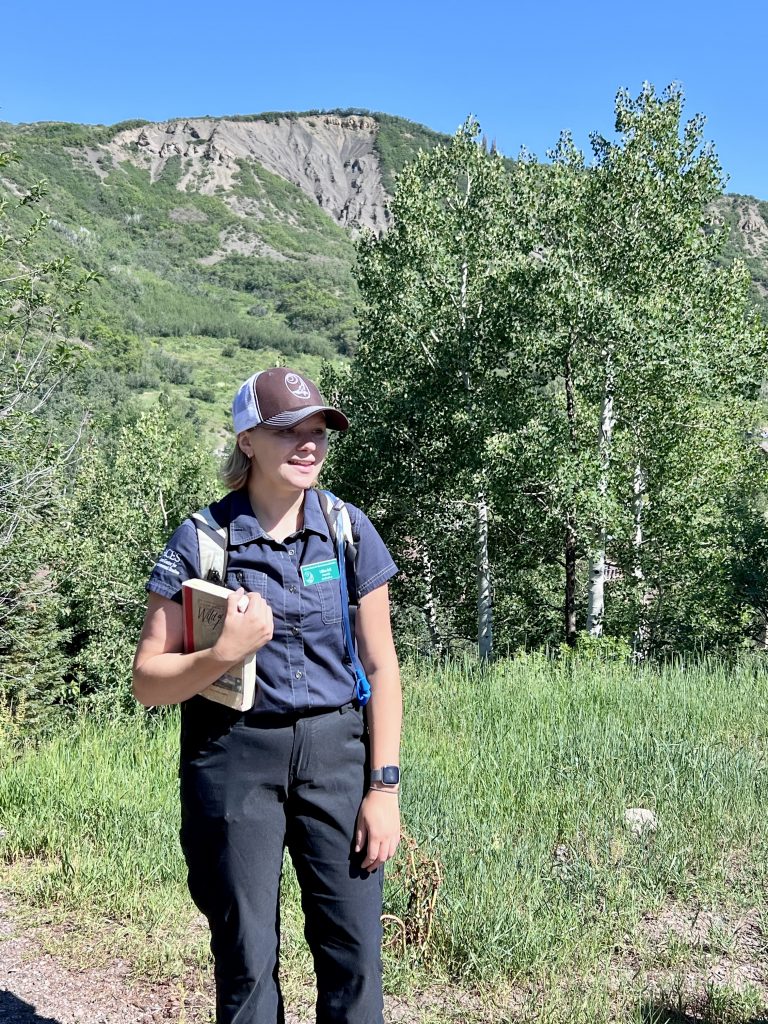
“E.B. White said that going into a forest and not knowing any of the species is like going into a library and not knowing how to read,” noted Lillian Bell, who led the Snowmass Wildflower Hike on Monday.
We all know that literacy opens worlds of possibilities — and so does nature. That’s why the Aspen Center for Environmental Studies (ACES) teaches people about the wonders of the mountains during its free daily tours.
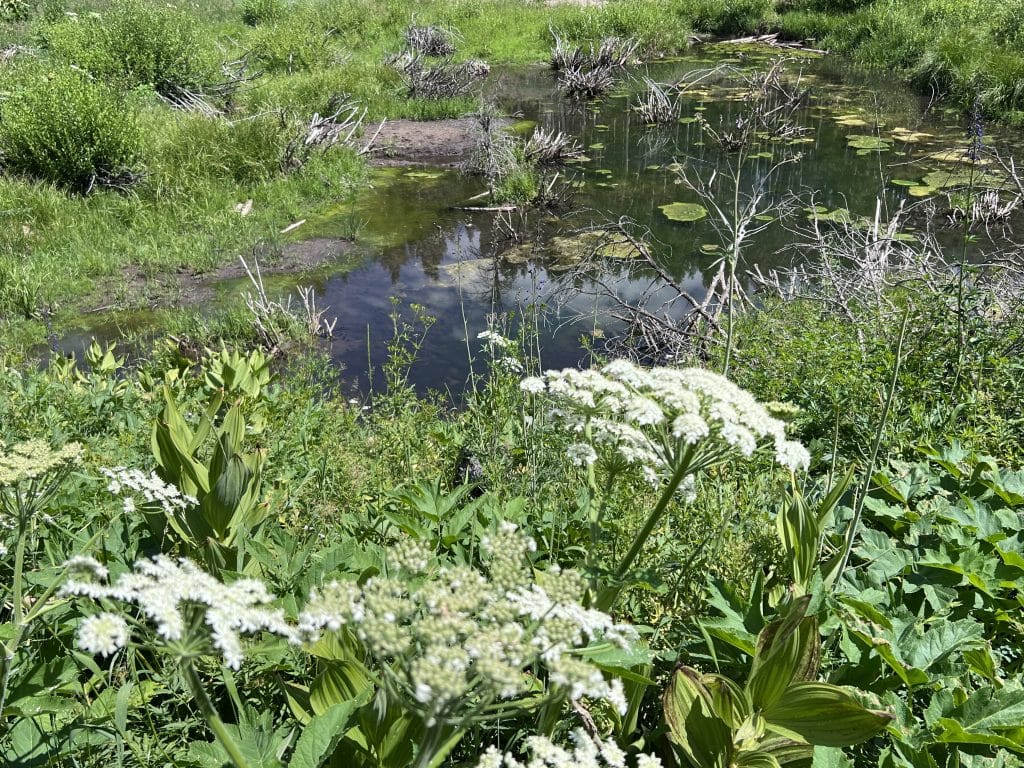
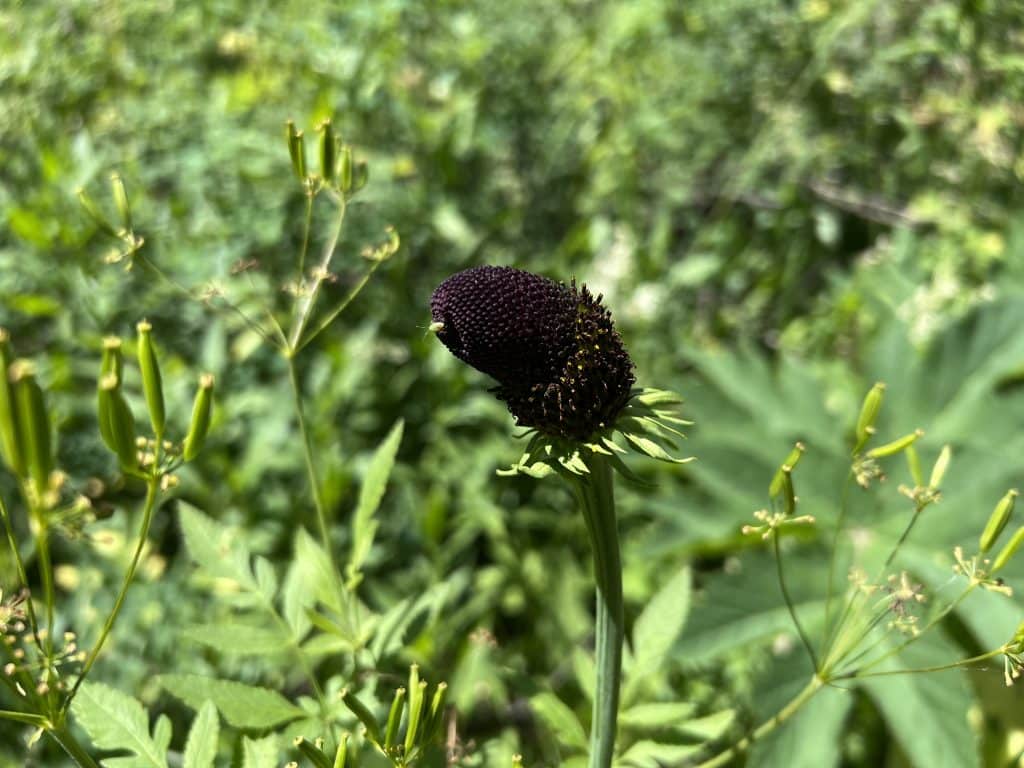
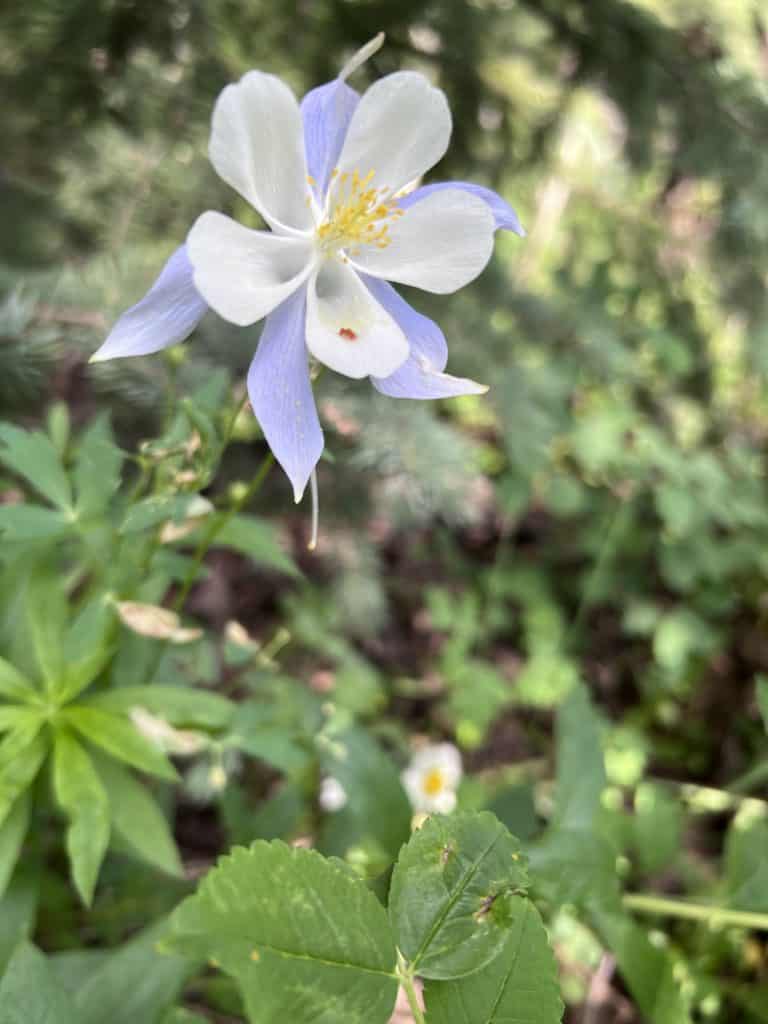
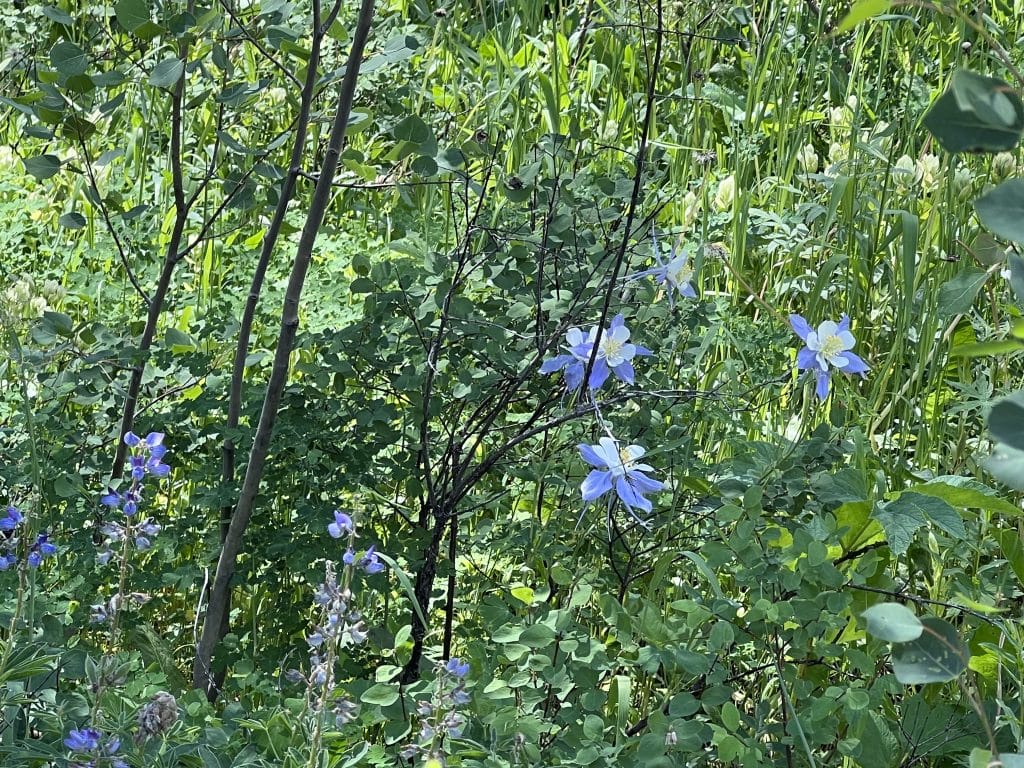
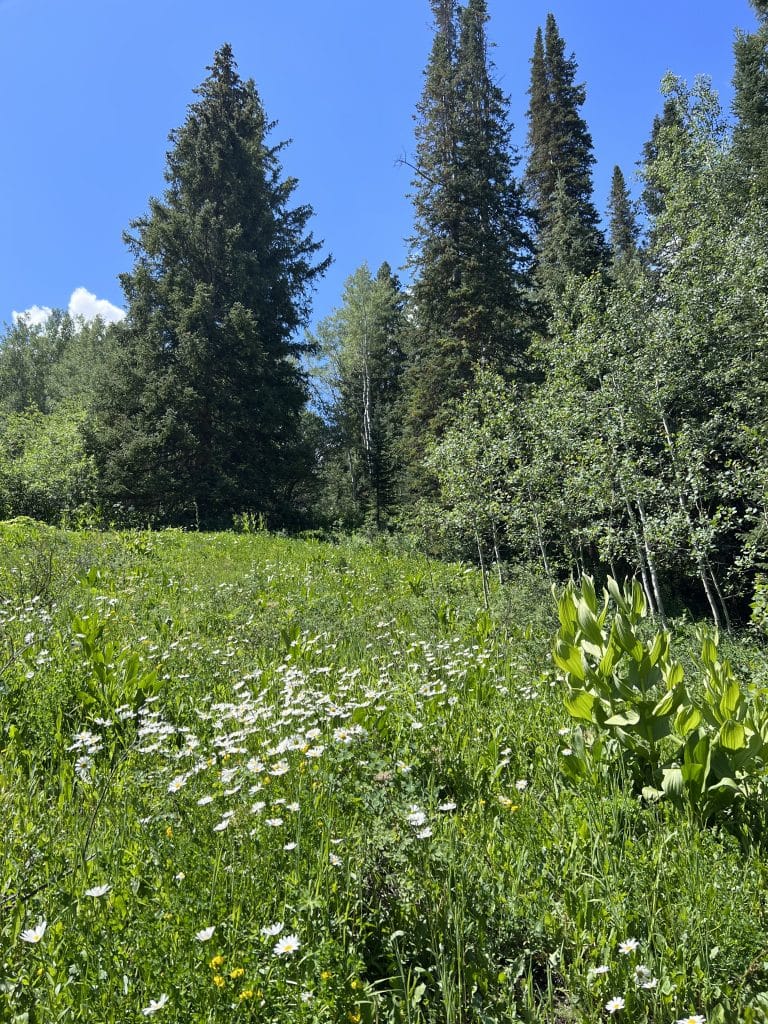
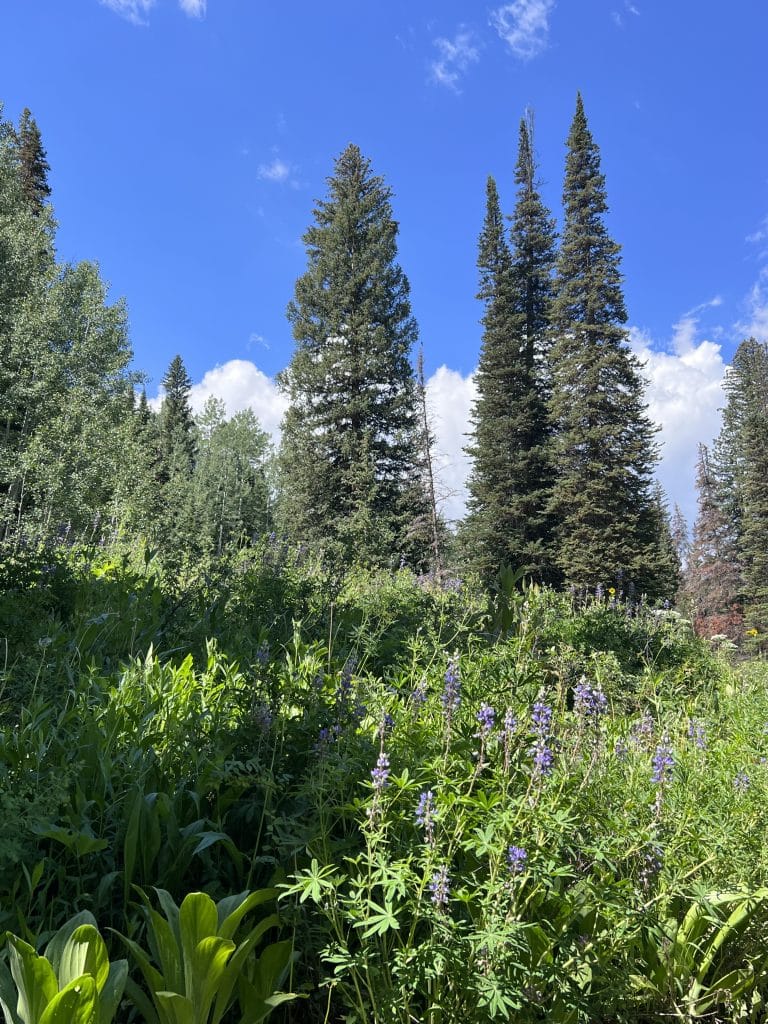
While the Snowmass Wildflower Hike is scenic any day of the summer, it’s particularly stunning in July, when the forest pops with purple, white, yellow, blue and hints of red — all surrounded by lush greenery.
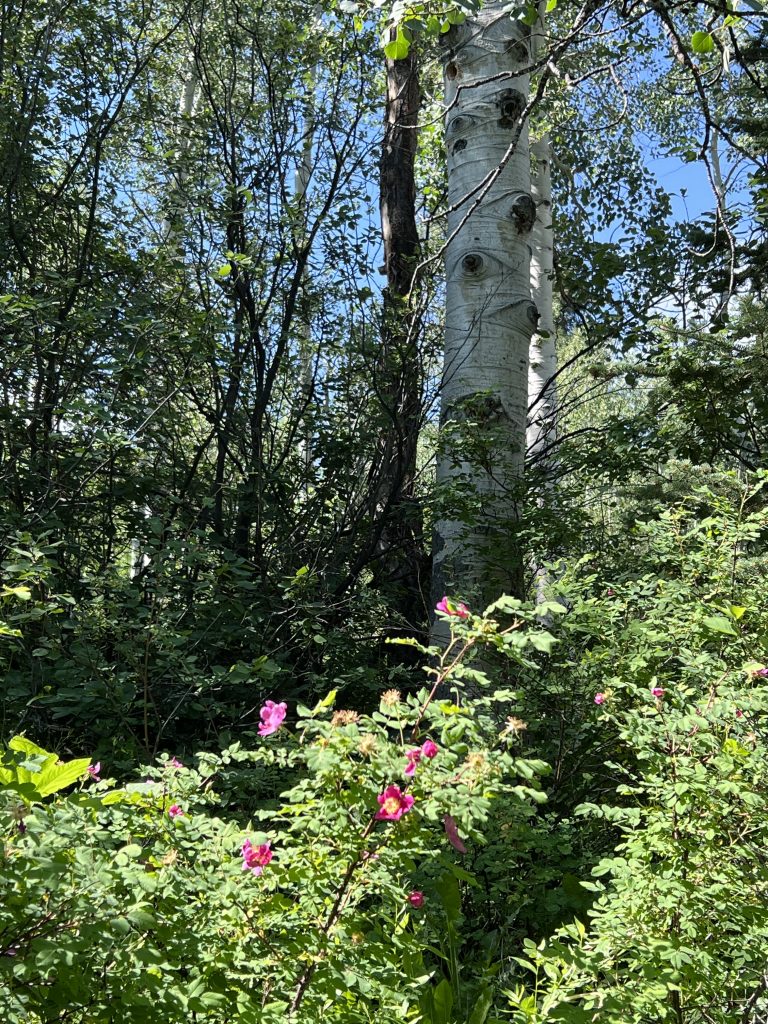
ACE’s two-hour, 3.5-mile hike encourages participants to stop and smell the roses, literally. In this case, it’s pink wild roses, which emanate more soft fragrance than most commercially grown roses.
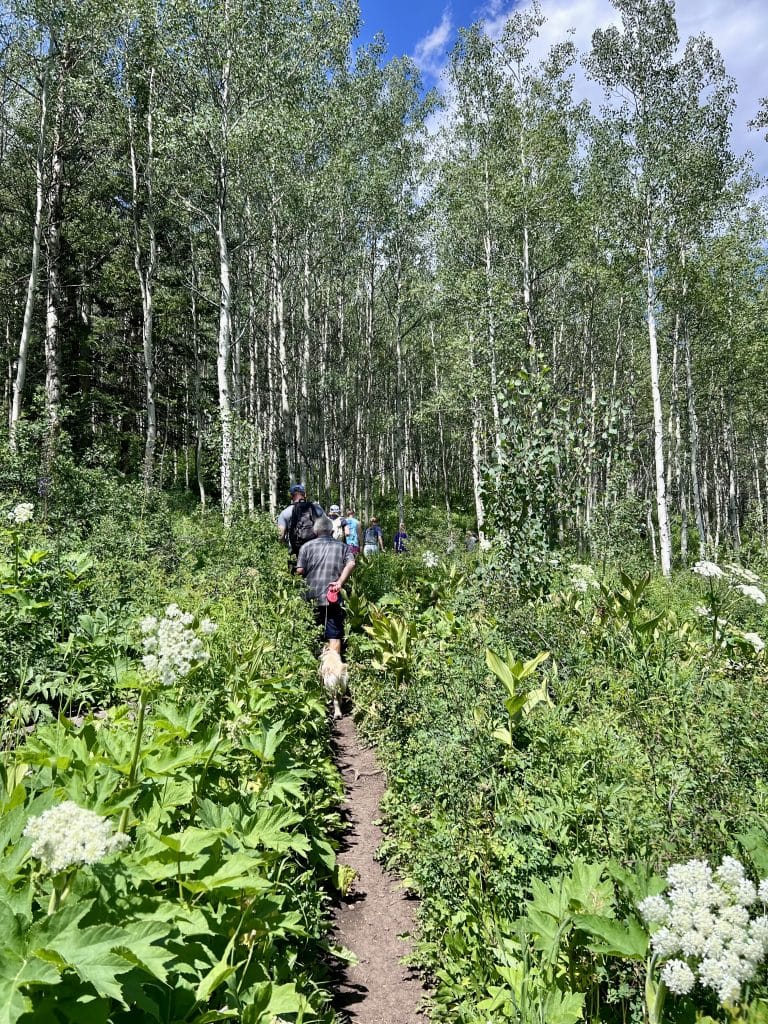
Though the trail does go uphill a bit, the group moves at a “naturalist pace,” about 1 mph, with plenty of stops along the way to take photos and learn about plant names, adaptation, pollination and all kinds of other tidbits.
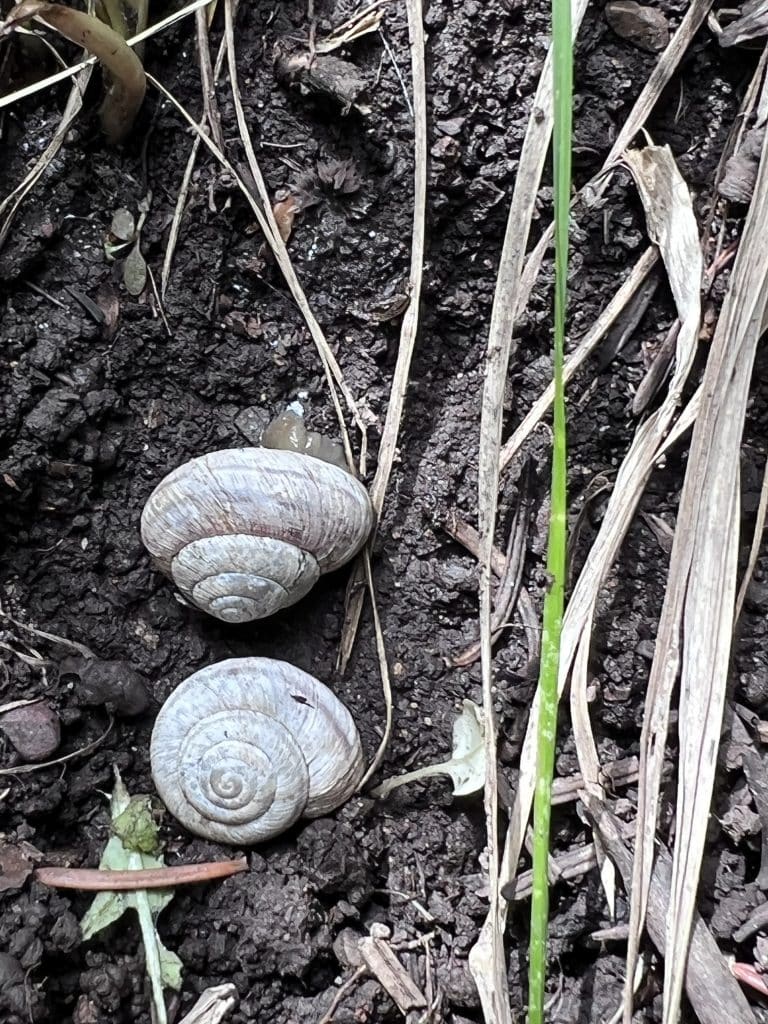
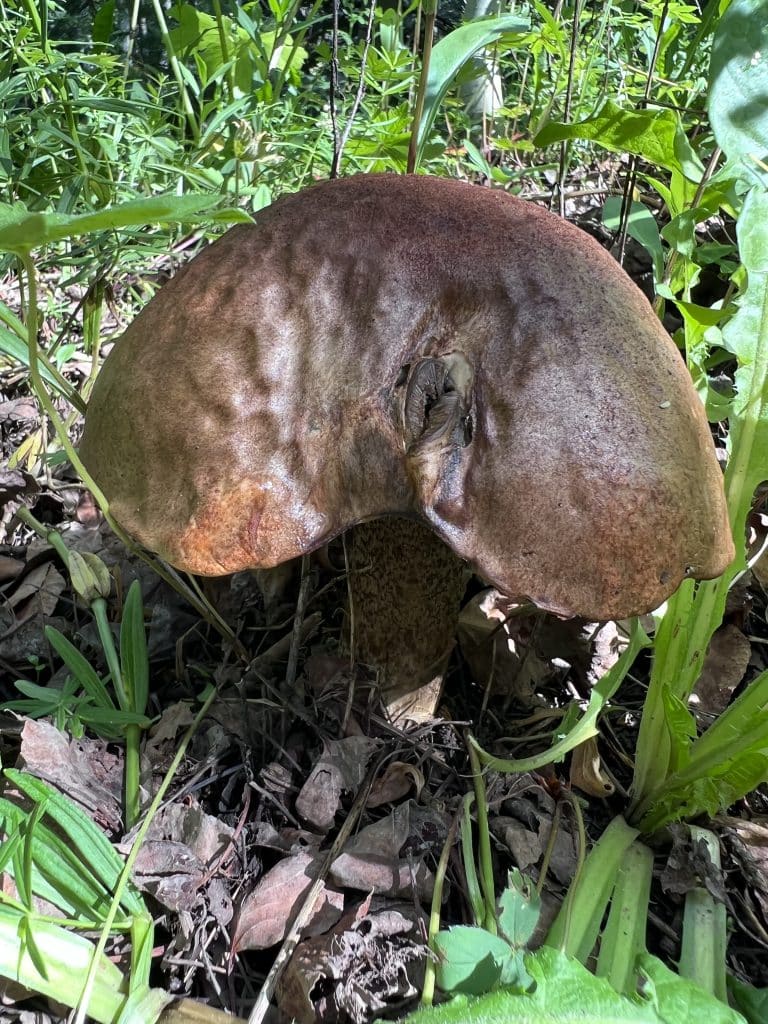
As Bell led our group of about a dozen kids and adults, she pointed out various blooms, mushrooms and even shells. While hunting for shells isn’t the first thing that comes to mind in an alpine environment, as it turns out, land snails leave behind their spiral-shaped homes, either because they’ve outgrown them or because a bird gets hungry.
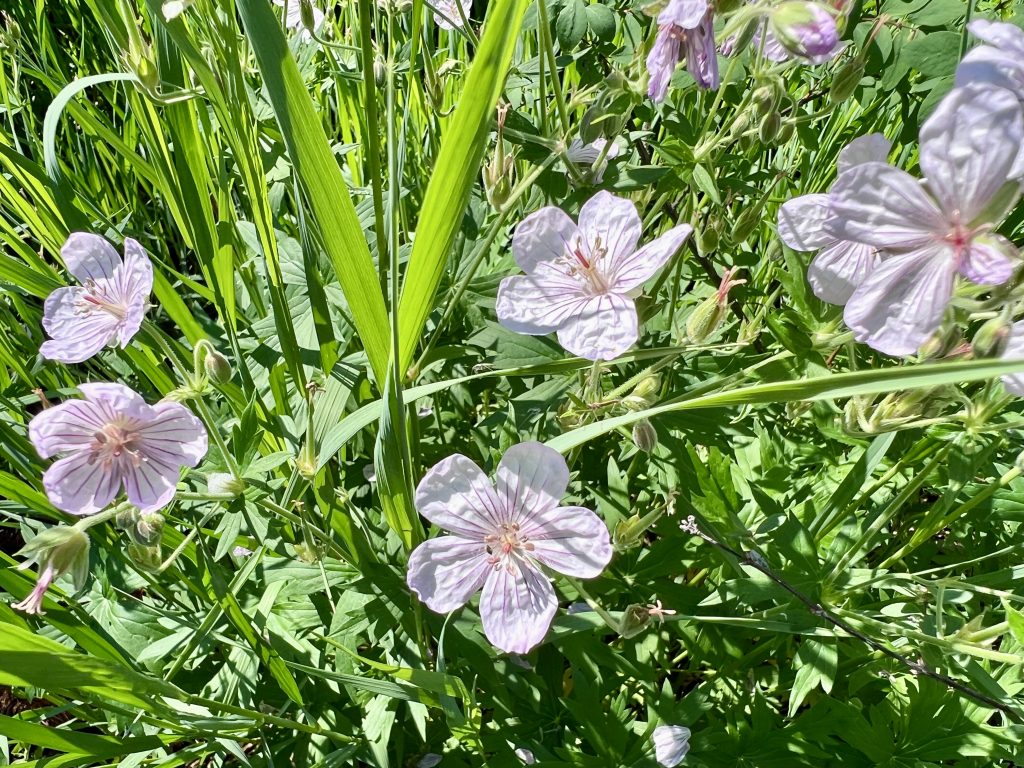
Along the trail, I imagined seeing the world through an ultraviolet lens, like insects do, finding my bright landing strip in the purple lines that stream through predominately white geraniums petals.
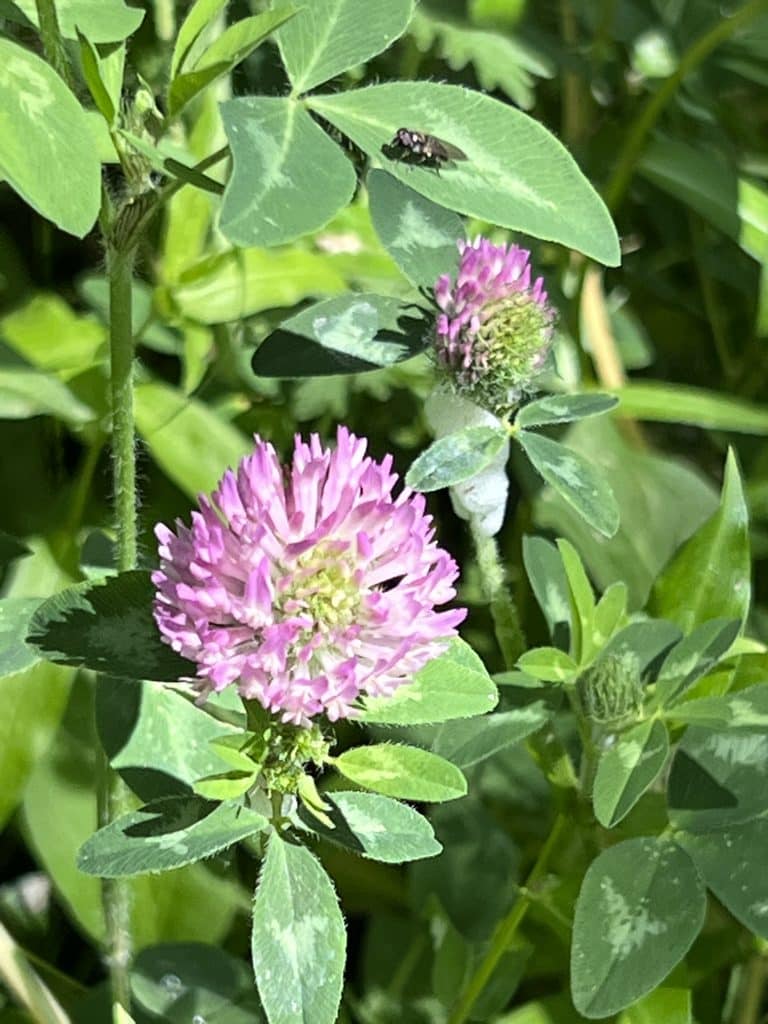
I pondered which method I’d choose to attract pollinators if I were a flower: Would it be a fragrant scent like the wild rose, a bold color like the purple lupine or a sugary-sweet taste like the red clover?
Before I could decide, Bell caught my attention with an enchanting indigenous story about Little Gopher, who didn’t play soccer well like the other kids, and just couldn’t seem to find his special talent. The great spirits told him to be patient, and eventually, his persistence and patience paid off: The spirits gifted him with paint and a paintbrush. Little Gopher was so overjoyed to find his talent that he threw his paintbrush into the air, and it adorned the entire hillside in red. And that’s how the Indian paintbrush flower got its name.
Bell also told us how the serviceberry was named: It is one of the first plants of the season to bloom, so European settlers used it in funerals, which they held as soon as the ground thawed. Though the serviceberry has already blossomed this summer, Bell showed us that we could identify the plant, which is part of the rose family, through its serrated leaves.
She talked about how the twinberry honeysuckle got its name from the two berries it bares per bloom; how cow parsnip (a white flower) can cause some sensitive skin to burn if it rubs against the underside of the leaf and then is exposed to sunlight; how deer and elk love California corn lily; and how yellow and purple blooms clumped together, like yellow Aspen sunflowers and purple lupine, are visually pleasing due to the way the human eye collects light.
About halfway through the hike, we came upon a classic aspen forest teaming with yellow, purple and white flowers. Within this aspen grove, she told us how aspens have two ways of reproducing: through cloning from one root system or by producing a male and female tree next to one another and sexually reproducing.
She talked about bears in the area, who rely on three main food sources: chokecherry, serviceberry and acorns. Without all three, they have a rough winter.
Which brought about bad news, in terms climate change. As temperatures rise and warmth comes earlier in the year, plants respond by blooming sooner than normal. While plants react to temperature, insects and birds take their cue from the amount of daylight. Climate change causes plants to bloom before the pollinators they rely on to reproduce arrive.
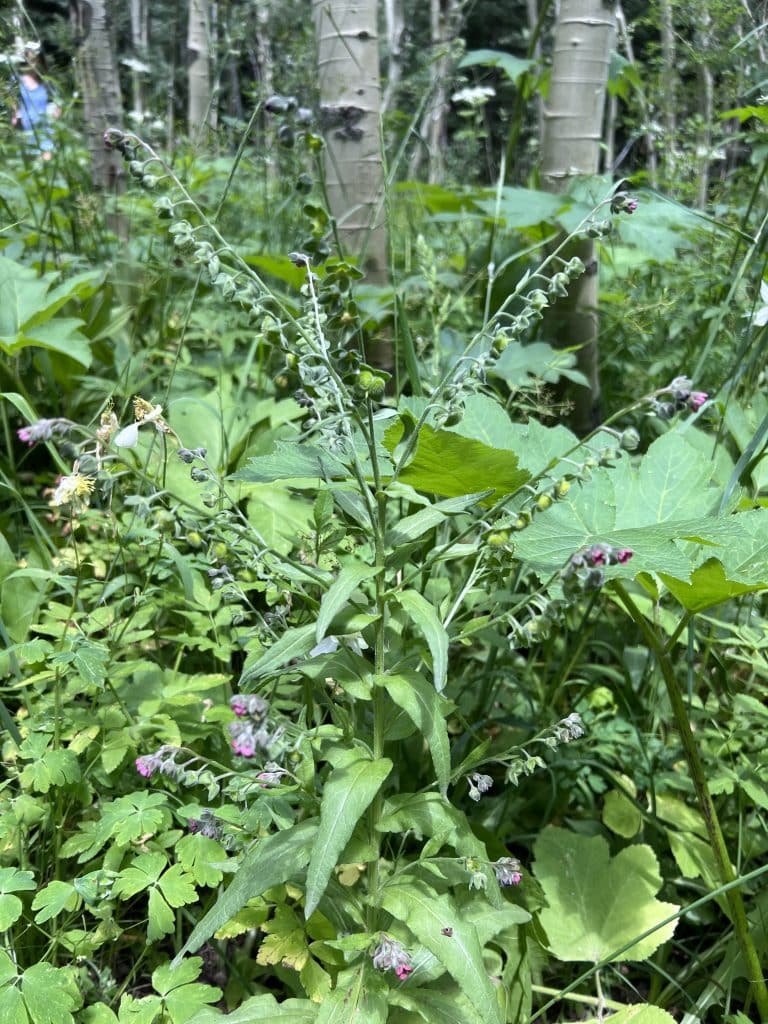
Climate change also means that invasive species, like the fast-adapting and drought-resistant houndstongue and dames rocket, can take over the nutrients and habitat of native plants, which take much longer to adapt.
While talk of climate change can get pretty depressing, Bell focused mainly on the present beauty surrounding us all — and right now, there is plenty of it in full bloom.
Snowmass Wildflower Walk: Take a kid-friendly, 2-hour, round-trip tour on the Snowmass Nature Trail and learn about local ecology and the diversity of wildflowers. The approximately 3.5-mile moderate hike moves at a leisurely pace. Meet outside of the Snowmass Pavilion on the Village Mall. Daily at 10 a.m.
Snowmass Ice Age Discovery Hike: Learn about Snowmass’ Ice Age discovery dig through photos, props and stories from the dig. Meet outside of the Snowmass Pavilion on the Village Mall for this 2-hour, approximately 3.5-mile moderate hike at a leisurely pace. Daily at 1 p.m.
Aspen Mountain Walk: Explore the top of Aspen Mountain’s Richmond Ridge and learn about wildflowers, wildlife, mining history and more. Meet between the Silver Queen Gondola and the Sundeck (please load onto the gondola at least 20 minutes prior to tour). Easy 1-mile, 45-minute, one-way tour. Daily on the hour from 11 a.m. to 3 p.m.
Maroon Bells Crater Lake Hike: Learn about local ecology, natural history and more as you make your way up to Crater Lake. Meet outside of the Maroon Bells Information Center near the bus drop off for this 2-hour, 1.8-mile, one-way hike, with moderate to strenuous hiking. Limited to first nine people (no reservations) daily at 10:15 a.m. and 1:15 p.m.
Maroon Bells Maroon Lake Walk: Meander along the shore of Maroon Lake while learning about geology, local ecology and more. Meet outside of the Maroon Bells Information Center near the bus drop off for this 1-mile, 45-minute, one-way easy hike. Daily, 10:15 a.m. and 1:15 p.m.
For more info, visit aspennature.org, and for its full fun and educational lineup, click on Programs & Events.
Kimberly Nicoletti
Kimberly Nicoletti
Kimberly Nicoletti
Kimberly Nicoletti
Kimberly Nicoletti
Kimberly Nicoletti
Kimberly Nicoletti
Kimberly Nicoletti
Kimberly Nicoletti
Kimberly Nicoletti
Kimberly Nicoletti
Kimberly Nicoletti
Kimberly Nicoletti
Kimberly Nicoletti
Kimberly Nicoletti
Kimberly Nicoletti