Haims: Alzheimer’s — What we learned in 2025

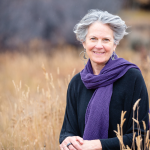
Courtesy photo
In 2025, Alzheimer’s research crossed a threshold. What once felt like a slow and uncertain struggle against an unforgiving disease has begun to look more like a coordinated, data-driven campaign — one offering hope to the 7.2 million Americans currently living with Alzheimer’s (about 1 in 9 people) and the estimated 13.8 million projected to develop the disease by 2060. Research advances in early detection, prevention, and treatment suggest that the future of Alzheimer’s care may look fundamentally different than the past.
Age remains the greatest risk factor for Alzheimer’s. However, research has shown that early-onset of the disease has also been affecting people in their 30s or 40s (Gen X and Millennials). Even more shocking, nearly two-thirds of Americans diagnosed with Alzheimer’s are women. The Alzheimer’s Association notes that while women’s longer life expectancy partially explains this imbalance, biological factors matter as well. Researchers now believe that changes in estrogen levels during and after menopause may play a significant role in how the disease develops and progresses.
Alongside these risks, 2025 delivered compelling evidence that prevention and early action can make a difference. One of the clearest messages is that lifestyle changes profoundly matter. Collectively, researchers across the world have shown physical activity to be one of the strongest protective factors against cognitive decline. Moderate, consistent exercise boosts blood flow to the brain, reduces inflammation, strengthens neural connections, and slows the buildup of harmful tau proteins.
Even simple activities such as walking provide measurable benefits. However, the strongest evidence supports a combination of aerobic exercises (such as brisk walking, swimming, or cycling), strength training, and balance-focused practices like yoga or Tai Chi. It is important to know that research emphasizes that moderate intensity exercise is key. Small, consistent efforts like daily chores, nature walks, social walks, and purposeful walks around the house still count.
Perhaps one of the most transformative advances of 2025 was the rise of blood-based biomarkers for early detection. Although blood tests cannot reduce Alzheimer’s risk, these tests can identify biological changes in the brain years before symptoms appear. Newly available blood tests can detect changes in amyloid-beta proteins, signaling early plaque buildup, as well as markers such as neurofilament light chain (NfL), which indicate early nerve damage and brain inflammation. Researchers also focused on a protein known as MTBR-tau243, which closely reflects brain changes most strongly associated with dementia symptoms. Together, these discoveries are shifting Alzheimer’s care from a reactive model, waiting for memory loss, to a proactive approach centered on early identification and planning.
Research in 2025 reinforced a powerful truth: brain health is inseparable from overall health. Aggressively managing blood pressure, diabetes, and cholesterol — through medication, diet, and exercise — can slow cognitive decline by years, even in high-risk individuals. One of the most recognized clinical study, the U.S. POINTER, revealed that regular physical activity, a brain-healthy diet (MIND diet), social engagement and health monitoring helped to protect thinking and memory from normal decline.
Alzheimer’s is a complex disease. Over the years, billions of dollars have been spent focusing on single targets rather than a multifaceted approach. Perhaps 2025 was the year that breakthroughs in genetics, imaging, and cell biology came to fruition. Hope for a cure may no longer be abstract. Rather, it may be measurable, actionable, and growing — one discovery, one lifestyle change, and one early intervention at a time.
Judson Haims is the owner of Visiting Angels Home Care in Eagle County. He is an advocate for our elderly and is available to answer questions. Connect with him at jhaims@visitingangels.com.
Judson Haims is the owner of Visiting Angels Home Care in Eagle County. He is an advocate for our elderly in Eagle, Garfield and Pitkin counties and is available to answer questions.

Haims: Alzheimer’s — What we learned in 2025
Age remains the greatest risk factor for Alzheimer’s. However, research has shown that early-onset of the disease has also been affecting people in their 30s or 40s.




Aspen High School graduate battles rare illness with over 120 days in ICU
An Aspen High School graduate is currently battling a very rare illness, spending her birthday, Christmas, and New Year’s in the Intensive Care Unit.