To steer shoppers toward local goods, Colorado is rolling out recipes that spotlight homegrown produce, proteins, and more
The state agriculture department has been sharing monthly recipes for over 20 years

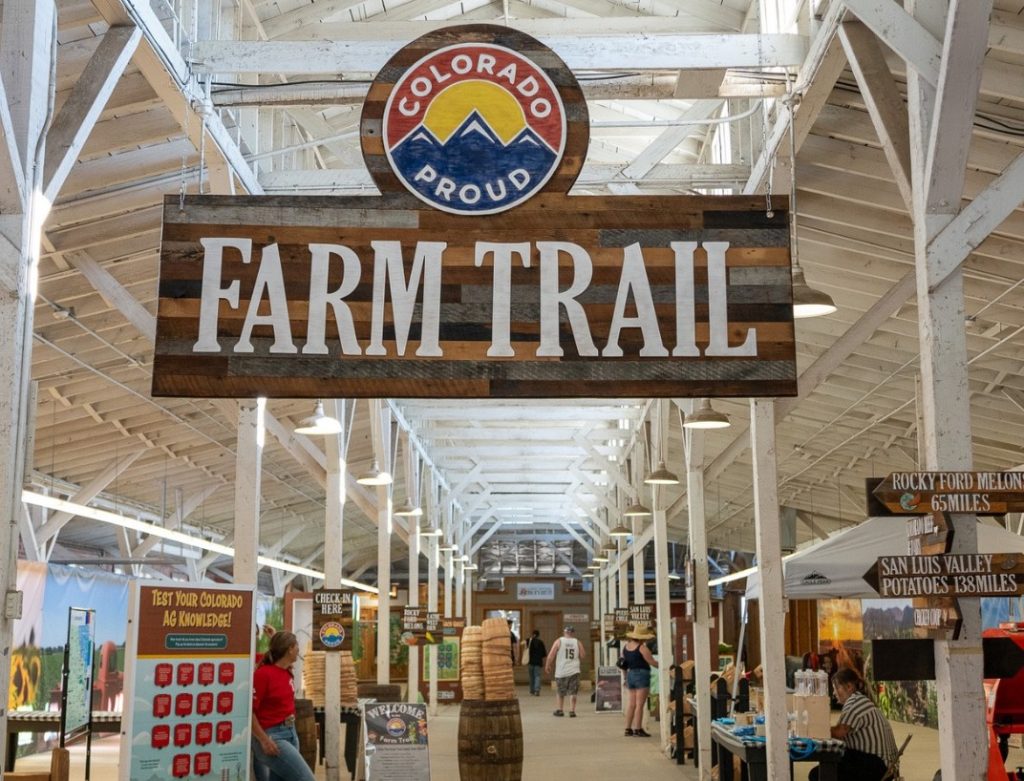
Colorado Proud/Courtesy Photo
What do watermelons, butternut squash and goat’s cheese all have in common? All are homegrown and produced in Colorado, and all have been featured in Colorado Proud’s recipe of the month.
Over the last two decades, the Colorado Department of Agriculture has called on local producers, agriculture organizations, chefs and employees to help come up with a monthly dish or meal that features Colorado products, crops, and businesses.
“It started as a great way to just let consumers know what’s in season, how to use it and share fun facts about that commodity or that agricultural product, the history of it and a really fun recipe,” said Danielle Trotta, who leads the Department of Agriculture’s Colorado Proud program. “It’s a great way to just keep people in the know about what products are out there and how to use them.”
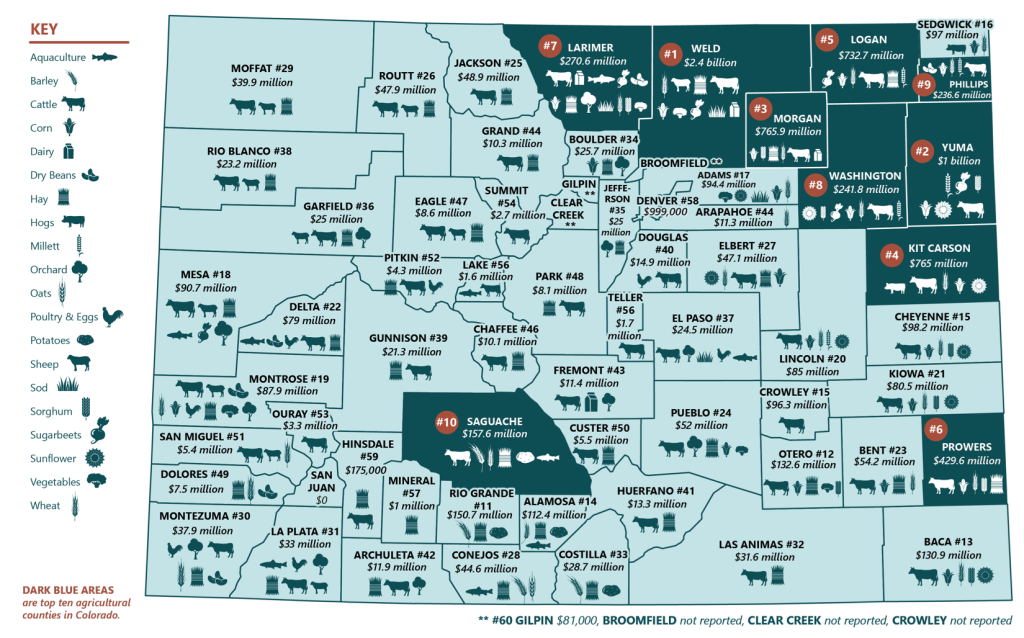
February’s recipe, for a Colorado potato bacon chowder, was created by the Colorado Potato Administrative Committee, an organization started in 1941 to support the San Luis Valley potato farms. According to the committee, Colorado ranks as the second-largest fresh potato shipper in the United States — 92% of which come from the San Luis Valley in southwest Colorado — producing roughly two billion pounds of potatoes annually. Colorado farms grow over 70 different potato varieties. The recipe also shares options for local pork and cheese.
While Colorado is known for its San Luis Valley potatoes, Palisade peaches, Rocky Ford melons, Pueblo green chiles and Olathe sweet corn, the department also seeks to find new ways to highlight lesser-known products and growing segments. For example, Trotta said there is a growing interest in alternative or heritage grains like quinoa, which she said are “making a really big resurgence because of the climate smart attributes of the grains.”
The recipes are generally planned months in advance, seeking to highlight in-season produce, different cuts of protein, new items, and more, Trotta said. Last June, which is also National Dairy Month, the department shared a smokey paprika greek yogurt dip, highlighting the state’s dairy industry, which is one of Colorado’s largest agricultural commodities based on sales.
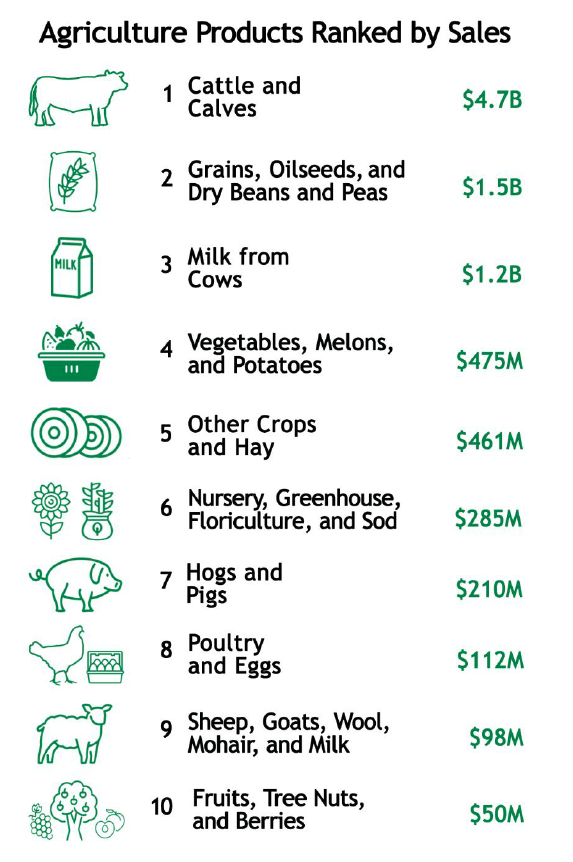
Coming in future months are recipes highlighting Colorado eggs, chicken, beef, lamb, bell peppers, carrots, and more, Trotta said.
In addition to showcasing produce and meat, each recipe gives a nod to Colorado wines, non-alcoholic beverages, and other food businesses based in the state.
While November’s recipe for applesauce pancakes featured the Fuji, Gala and Honeycrisp apples grown both on the Western Slope and Front Range, it also shares Durango’s Honeyville, a bubbly CO.SECCO from the Grand Valley’s Carboy Winery and a carbonated dairy soda called Fizzy Moo, created by a group of University of Colorado Boulder graduates.
The recipes are all part of the ag department’s Colorado Proud program, which started in 1999 as a marketing program to help connect consumers, restaurants and retailers with products that are locally grown.
“Year after year, we survey consumers in Colorado — usually anywhere from 500 to 1,000 people — and continually the message that we receive every year from those surveys is that people want to support local and they want to know where their food is coming from,” Trotta said. “That’s the No. 1 thing they’re looking for when they’re going shopping.”
A new bill is working its way through the Colorado legislature that would strengthen how Colorado-grown produce is labeled by cracking down on counterfeit fruits and vegetables taking advantage of the state name in their marketing.
Buying locally grown and crafted products is an example of how “a rising tide raises all boats,” Trotta added.
“What’s great about shopping local, and making sure that that’s a priority in your household, is that those dollars stay within the state,” she said. “They help build and support the farming communities that are producing these products.”
According to the most recent U.S. Department of Agriculture census in 2022, Colorado has over 30 million acres of farmland — nearly half of the state’s total 66.6 million acres — with over 36,000 farms, 93% of which are family-owned. The majority, around 69%, of Colorado’s farms are producing livestock, poultry, and animal products. Crops — including grains, oilseeds, beans, hay, vegetables, fruit, and more — represent the remaining 31% of the state’s agricultural products.
Colorado’s agriculture industry generates around $47 billion in economic activity annually, providing 195,000 jobs and touching nearly every single county in the state.





Jazz Aspen Snowmass announces Labor Day lineup
Jazz Aspen Snowmass has released its line-up for the 2026 JAS Labor Day Experience, bringing together a mix of global superstars, breakthrough artists, and fan favorites for an unforgettable weekend of music.