Citizen effort pursuing a ballot measure to halt wolf reintroductions takes a step back
The citizen group is waiting to see how Colorado Parks and Wildlife navigates new direction from the federal government and more

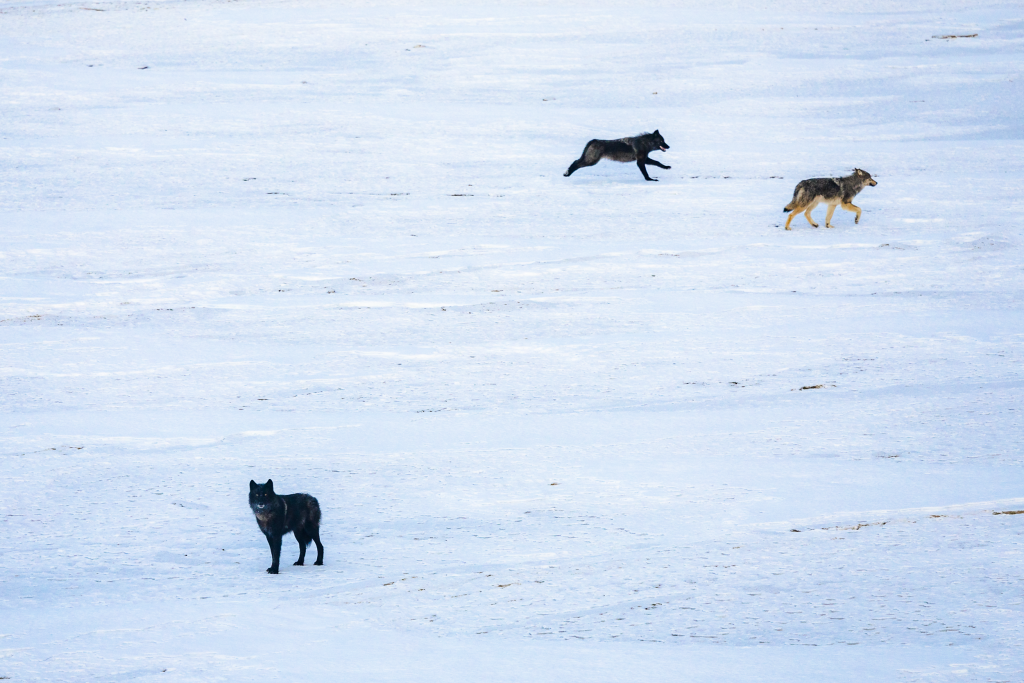
Colorado Parks and Wildlife/Courtesy photo
Whether or not Coloradans will see wolves on the November 2026 ballot remains up in the air.
Colorado Advocates for Smart Wolf Policy has temporarily paused its effort to put wolves back on the state ballot. The citizen group created to lead the initiative has proposed asking voters to stop Colorado’s gray wolf reintroduction three years after wolves were first released in December 2023.
The measure would seek a partial reversal of what Colorado voters initiated with the passage of Proposition 114 in 2020. The 2020 measure required that Colorado Parks and Wildlife create and manage a self-sustaining population of gray wolves while using state funds to help producers prevent wolf conflicts and pay fair compensation for livestock losses.
Colorado Advocates for Smart Wolf Policy’s proposed measure would ask voters to end the state’s reintroduction of gray wolves by Dec. 31 this year. It would not alter the statutory language that allows ranchers to be compensated for livestock losses.
To get a measure on a ballot in Colorado, citizen groups must get their measure approved by the Title Board and collect around 125,000 signatures from Colorado registered voters.
In its first attempt, the group failed to collect enough signatures due to fundraising challenges last year. The effort faced opposition to the measure from a coalition of northwest Colorado commissioners and agriculture groups that claimed the initiative failed to get input from stakeholders and ran contrary to the outcomes landowners and producers were working toward.
However, Colorado Advocates for Smart Wolf Policy resubmitted its petition to the Colorado Secretary of State’s office in September. When it resubmitted, Davis said the group was planning to engage with stakeholder groups and major donors to successfully get it to the 2026 ballot.
The resubmitted measure had its review and comment meeting — the initial step in Colorado’s process — but the proponents are now waiting to see how certain management elements of the wolf program shake out before taking the next step and submitting it to the Title Board.
“We may ‘reintroduce’ a ballot measure based on whether the state of Colorado can retain or earn back management of reintroduced wolves vis-à-vis its pending response to U.S. Fish and Wildlife and potential delisting from the (Endangered Species Act),” said Patrick Davis, representing Colorado Advocates for Smart Wolf Policy, referring to a Dec. 18 letter sent from the Fish and Wildlife Service to Parks and Wildlife, requesting information around recent wolf-related decision making, and a bill making its way through the U.S. Congress that would delist gray wolves in the Lower 48.
In its December letter, the federal agency threatened to take over management of the wolf restoration in Colorado if Parks and Wildlife fails to submit a full accounting of its wolf management decisions since December 2023 within a 30-day deadline. Parks and Wildlife has said it was complying with the request.
Concurrently, the bill — sponsored by U.S. Rep. Lauren Boebert, a Republican representing Colorado’s 4th Congressional District — to delist gray wolves would return management of the species to state and tribal wildlife management agencies. It also includes a provision that would block courts from reviewing the delisting decision. The bill passed the house in December and will now head to the Senate.
In addition to waiting for the outcome of these two federal issues, Davis added that the group is waiting to see “the impact of no other source for additional wolves on the entire reintroduction program,” as well as “budgetary impacts to the wolf program during the 2026 legislative session.”
Parks and Wildlife announced this week that it would not release additional wolves this winter as planned. The decision came after the U.S. Fish and Wildlife Service changed its guidance on where Colorado could source wolves. The Colorado wildlife agency was unable to find a state or tribal agency to provide wolves within the new federal parameters for this winter. Parks and Wildlife staff members have said that potential impacts of this on the wolf program’s success will be dependent on future births and deaths.
Colorado lawmakers returned earlier this month to the Capitol, where their priorities for the 2026 session will include addressing a tight budget. The cost of Colorado’s wolf program has already come up in pre-session hearings with the Joint Budget Committee and is expected to continue through the budgeting process. Last year, lawmakers questioned the agency on the program costs, and even made a small cut to its general fund allocation for wolves during a special session in August.
The last day to submit a proposal to Legislative Counsel for the 2026 ballot is March 20, and the last day to submit a measure for title setting is April 3.

Construction causes power outage at PitCo Health and Human Services
Construction work hit a buried power line at 3 p.m. on Thursday that supplied grid and backup generator power to the Pitkin County Health and Human Services building, leading to necessary repairs that will last through the weekend and into next week.