Coal industry workers could get preferential hiring for new jobs under Colorado lawmakers’ bill
Senate Bill 52 seeks to mitigate the economic and social upheaval posed by the loss of coal-burning power plants in rural communities

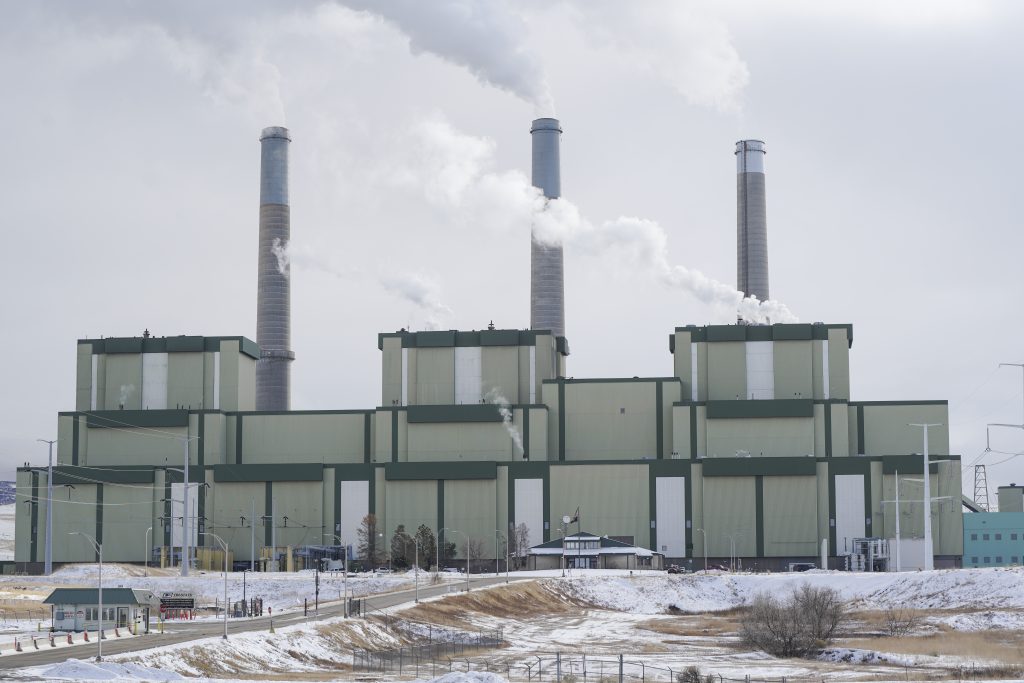
Eli Pace/Steamboat Pilot & Today archive
As Colorado’s rural communities move away from coal production, a band of Western Slope lawmakers is proposing a measure to ensure coal industry workers are the first pick for new jobs.
Senate Bill 52 would create a hiring preference for workers in power plants, mines and other coal-related jobs who are seeking new employment in construction, rail, utilities, energy generation facilities and advanced manufacturing facilities, so long as they are qualified for the job.
Employers in those industries would also need to annually report data to the state on their hiring practices, including the number of qualified workers who applied and how many were hired. The bill would also give local governments more ways to invest settlement dollars from coal plant owners, such as by putting that money into private investment funds, as a way to spur new economic activity.
Supporters say SB 52 is about ensuring the state’s coal transition doesn’t displace workers.
“We want to keep folks in their communities where they live now and where they love, and become a part of the workforce for new industries that are coming,” said Sen. Dylan Roberts, D-Frisco, who is sponsoring the measure alongside Sen. Marc Catlin, R-Montrose, and Reps. Meghan Lukens, D-Steamboat Springs, and Tisha Mauro, D-Pueblo.
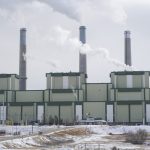
Rural communities are staring down economic and social upheaval due to the pending closure of several coal-fired power plants. That includes Craig Station and Hayden Generating Station in northwestern Colorado, both of which are in Roberts’ district.
Those stations are set to close by the end of 2028, driven by the need to adhere to the state’s clean energy mandates and by expenses that some utility providers say have become too costly to justify.
Wade Buchanan, director of the Colorado Office of Just Transition, told lawmakers during a hearing last month that an estimated 1,900 people are slated to lose their jobs over the next few years as coal plants wind down.
“The layoffs are just now starting in these communities,” said Buchanan, whose office is tasked with supporting coal transition communities through financial aid and other measures.
Roberts said SB 52 is not about dictating employers’ hiring decisions — there’s no penalty for businesses that don’t hire coal workers. But he hopes the bill will tell business owners that e “very qualified, local workers are here and they could be a really important part of your workforce.”
Bob Butero, a Colorado-based regional director for the United Mine Workers of America, a national coal mine labor union, said many longtime coal workers have laid down roots in their communities,
“They’re just asking for the opportunity to remain in their community with a decent-paying job,” Butero said while testifying on SB 52 before the Senate Agriculture and Natural Resources Committee on Thursday.
Job losses from coal mines and plant closures will also have ripple effects beyond just those facilities.
Carl Smith, the state legislative director for SMART Transportation Division, a labor union representing the state’s rail workers, said SB 52 could help secure jobs for out-of-work rail employees. The pending closure of coal plants in northwest Colorado means less coal is being carted by trains to those facilities, and Smith said he’s already seeing a loss of rail jobs as a result.
“Those people ultimately are looking at having potentially to relocate,” Smith said. “I’m hearing from my members that they’re scared. There’s a lot of confusion.”
Smith looks at some of the investments in the region that could breathe new economic life into coal communities, including a planned commuter rail line between Denver and Craig, with stops in Granby, Hayden and Steamboat Springs.
“How do we make sure that railworkers in these coal transition communities are included in these potential new rail projects?” he said.
Lawmakers’ push to aid rural communities moving away from coal production comes as the federal government seeks to buoy the industry, with Trump administration officials going as far as to force retiring coal plants to remain open in a handful of states, including Colorado.
That includes Craig Station Unit 1, which was slated to close at the end of 2025 but has been kept open by an emergency order issued on Dec. 30 under U.S. Energy Secretary Chris Wright.
Wright justified the decision by warning of an energy crisis in Colorado and other western states if coal production ends. Democratic state leaders, environmental advocates and the plant’s co-owners have all called for the order to be reversed, saying that ratepayers will bear the cost of forcing the plant to stay open.
Roberts said that despite the federal government’s efforts, rural communities can’t expect that those decisions will change the long-term trajectory of coal in Colorado. He said lawmakers need to do everything they can now to help communities weather the transition.
“The companies that operate these plans have told us that they’re retiring them,” Roberts said. “Unless that changes, I think it’s important to prepare for multiple contingencies.”
SB 52 unanimously passed the Senate Agriculture and Natural Resources Committee on Thursday and now heads to the Senate for a full chamber vote.