Colorado businesses concerned about increased costs, supply chain issues as a result of tariffs
A survey of business leaders shows most view the impact of tariffs negatively, though some also noted benefits, like the potential for more domestic business and better trade deals

Robert Tann Follow
Kit Geary/Summit Daily News
Colorado businesses face mounting headwinds amid a suite of tariffs enacted this year, with concerns about elevated costs, supply chain disruptions and consumer backlash, according to a new state report.
The study is the second by state officials in 2025 examining the impacts of President Donald Trump’s widespread use of tariffs to levy taxes on goods purchased from other countries.
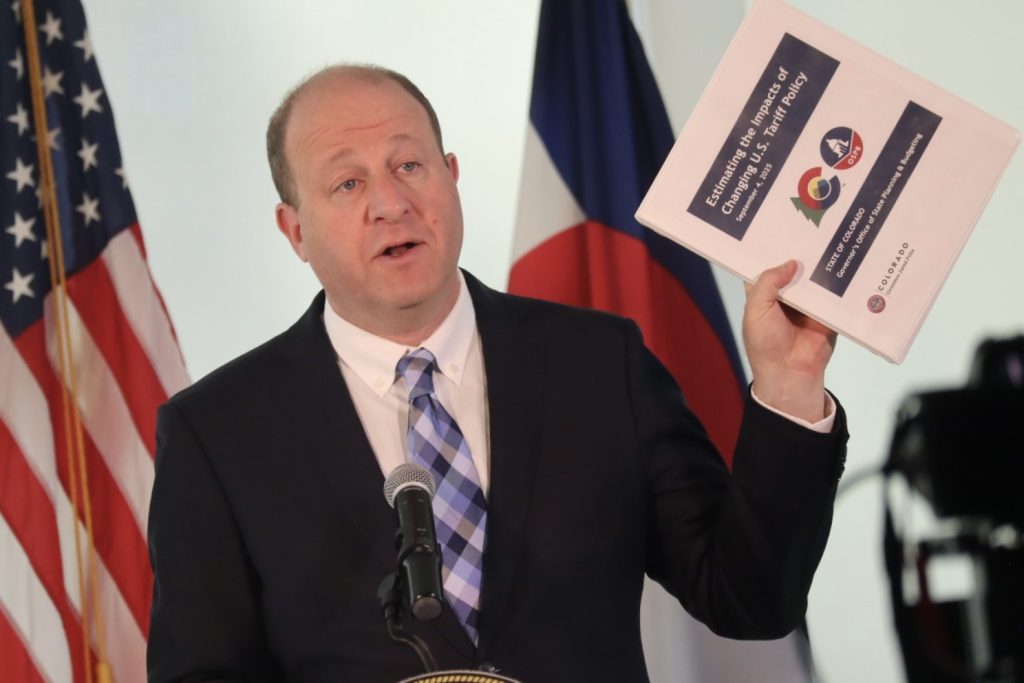
Gov. Jared Polis in July signed an executive order requiring state agencies to track the issue and identify strategies for how to aid businesses. In September, the governor’s Office of State Budgeting and Planning released a 98-page report detailing the effects of tariffs, including a sevenfold increase in the state’s overall tariff rate from 3% in 2024 to 21% in 2025.
Polis has long been a critic of tariffs, and Colorado is currently engaged in a multistate lawsuit challenging the constitutionality of some of Trump’s tariffs, which will be decided by the U.S. Supreme Court.
Tariffs have ebbed and flowed since Trump began his second term in January, with pauses, delays and exemptions that his administration says are part of its global trade negotiations. Current policies include a 10% baseline tariff on goods from all countries, with tariffs of 35% on many goods from Canada, 30% on many goods from Mexico, and 15% on most goods from the European Union. Trump has also targeted specific imports, such as 50% tariffs on steel, aluminum and copper.
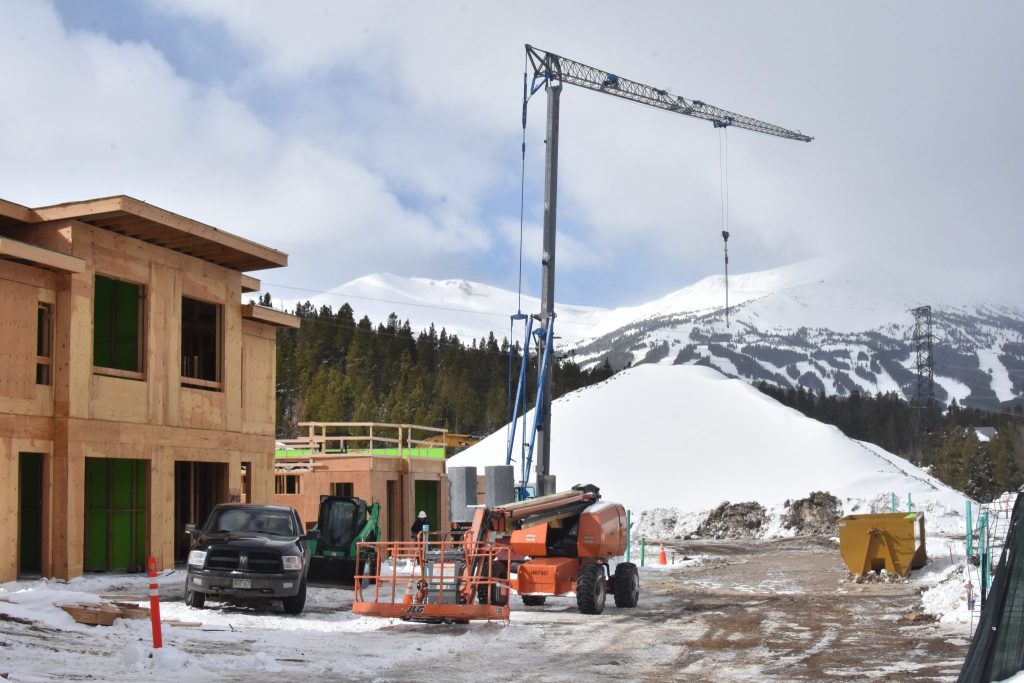
Colorado industries are beginning to feel the impact, from rising construction costs for housing to pricier ski and snowboard gear.
The state’s most recent study, released on Nov. 20, contains data from interviews with 22 Colorado-based business leaders that show an overwhelmingly negative view of tariffs.
“This report confirms what businesses, ranchers, and families across Colorado have been experiencing for months: Trump’s tariffs are a costly tax,” Polis said in a statement on the report’s findings. “Businesses are being forced to pass along higher costs, farmers are facing unpredictable markets, and the very people building Colorado’s economy are paying more because of the president’s misguided trade war.”
The Colorado Office of Economic Development and International Trade conducted interviews with businesses across “a variety of sectors such as construction, retail, bioscience, technology, manufacturing and energy,” according to the report.
The agency asked businesses about both the challenges and impacts of tariffs, finding that challenges accounted for 86% of the impact, while benefits accounted for 14%.
Businesses were also asked about their performance in a range of categories, including financial and cost challenges; uncertainty and planning issues; customer prices and market challenges; supply chain and production hurdles; operational and strategic hurdles and broader business and societal impacts. For those categories, businesses ranked their performance before and after tariffs went into effect on a scale of 1-10, with a higher score representing better performance. In every category, the score dropped after the implementation of tariffs.
While challenges dominated, eight of the 22 businesses identified potential benefits, the main one being increased domestic business and manufacturing.
The report notes, however, that business leaders “indicated that this benefit has not been realized yet and remains a future possibility.” The potential for more domestic advantage “stems from tariffs making foreign goods less competitive, thereby giving a direct or indirect edge to U.S.-based companies and domestic producers.”
Other benefits include more localized supply chains and an “all in this together” mentality between suppliers, vendors and industry partners.
The report also contains input from agricultural businesses, with 16 industry representatives surveyed by the Colorado Department of Agriculture across various sectors, including dairy, corn, potatoes, livestock, grains, specialty crops, and auxiliary agricultural industries, such as trucking.
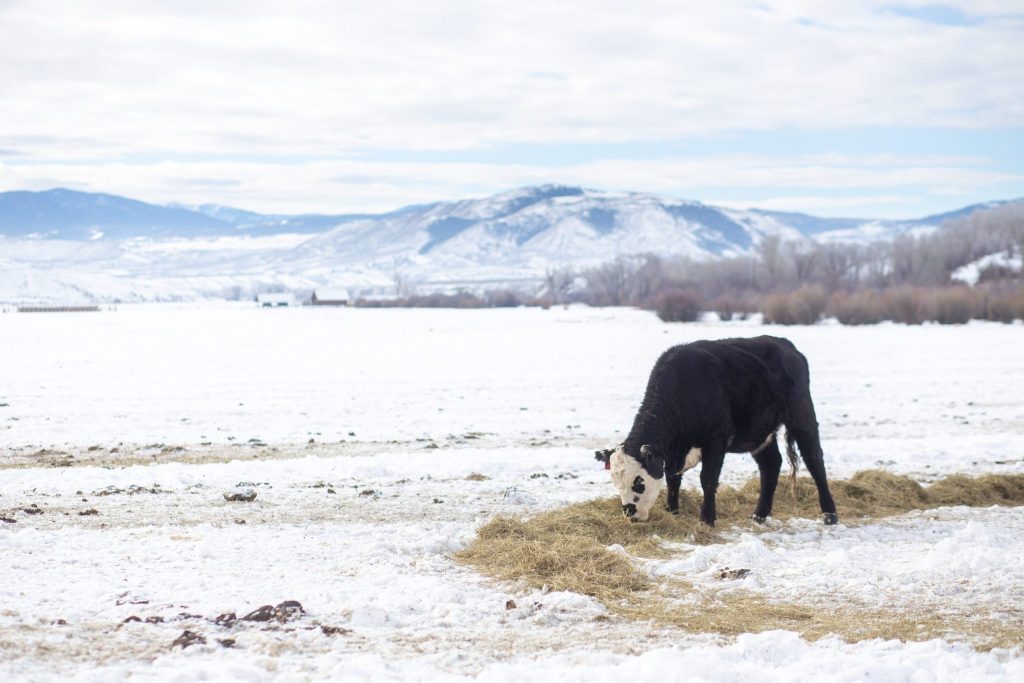
Half of those surveyed reported experiencing adverse effects from U.S. tariff policy, while a quarter reported experiencing opportunities, and another quarter reported neutral impacts.
Some of the benefits and opportunities industry leaders noted include a new market for potato exports to Japan, which has pledged to increase its purchase of U.S. goods, and successful trade agreement negotiations with Japan and South Korea related to the beef industry that will help mitigate any reductions in exports to the Chinese market.
Still, 80% of industry leaders surveyed anticipate future negative impacts, including price increases, sourcing difficulties, and delivery delays.
Those sentiments come amid a backdrop of increased costs for farmers and ranchers, who face higher prices for equipment, fertilizer, and transit. Since 2020, national fertilizer costs have risen 37%, seed costs 18%, and fuel and oil costs 32%. Labor costs have also increased by almost 50%, according to the report.
State agencies made several recommendations for how to further support businesses dealing with tariff impacts. Those include more awareness of low-interest loan programs and expanding the reach of the Colorado Rapid Response program, which provides services like job placement assistance, layoff workshop and employee attrition consulting for employers.

Portraits honor lives shaped by loss at Anderson Ranch in Snowmass
Artist and photographer Benjamin Timpson has built faces out of butterfly wings to honor Indigenous women who have experienced violence and bring them into the light.