On the Fly: Reducing the spread of A.N.S.
Scott Spooner Follow
Scott Spooner/Courtesy photo
Aquatic Nuisance Species are here, and we all have a part to play to decrease the spread.
The two ANS of concern here are zebra mussels and New Zealand mudsnails. Mudsnails have already been detected in the Roaring Fork River, and Colorado Parks and Wildlife has found adult zebra mussels in the Colorado River, from Glenwood Canyon all the way downstream to the western border with Utah.
Mussel infestations wreak havoc on water delivery systems to homes, businesses and agriculture; cause infrastructural damage; and harm fisheries as well. Mudsnails reduce presence of mayfly and caddisfly nymphs, affect fish length and weight and ultimately out-compete native species. Yes, fish will eat them — but they are essentially “empty calories” that will simply pass through the fish unharmed and keep spreading.
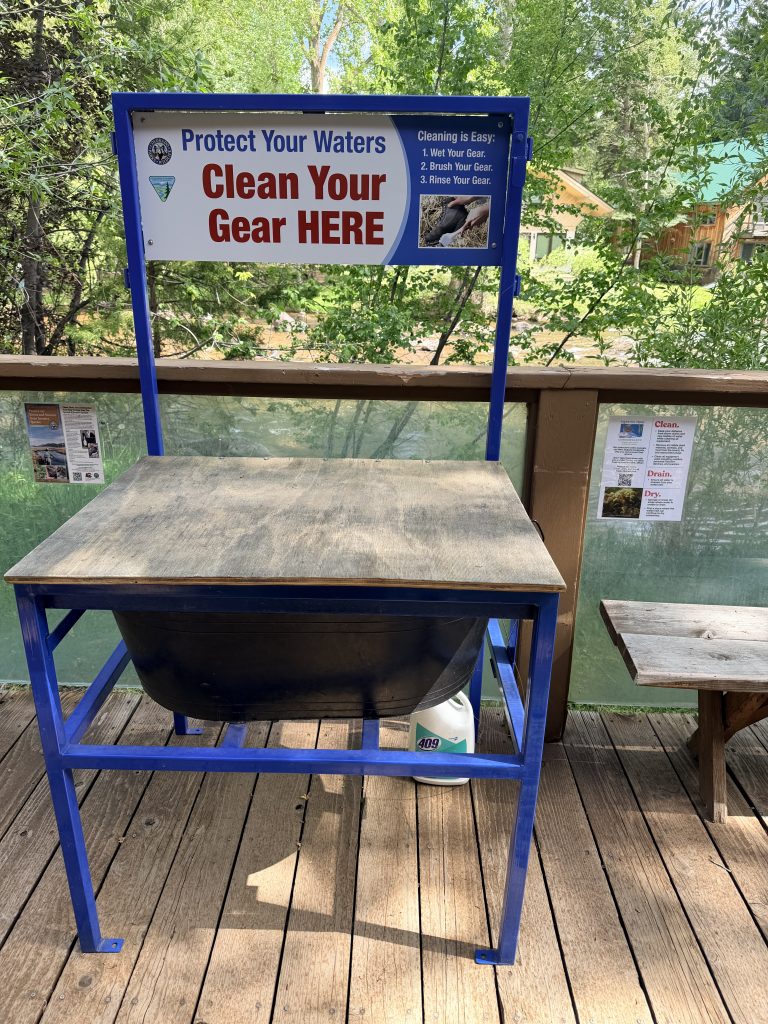
The main vectors of transportation are boots, waders and boats that veligers (the microscopic larval stage) seek out and attach themselves to. Some fly shops here in the Roaring Fork Valley have boot and wader cleaning stations now (There are four in old town Basalt alone), plus there are two boat washing stations at Two Rivers Boat Ramp with plans to add one at the Carbondale Boat Ramp soon. Cleaning stations throughout the state can be found on CPW’s website.
To clean your boots and waders, CPW suggests submerging them in water with six ounces of quaternary ammonium-based cleaner per gallon while scrubbing off debris. Drying your gear in the sun or freezing them overnight between uses is very beneficial. Boats can be scrubbed with this solution as well.
The main takeaway is that all recreational lake, pond and river users need to clean, drain and dry their equipment between uses to aid in preventing the spread. We should all resolve to be a “pain in the ANS” and liken the cleaning, draining and drying of our gear to the common sense practice of washing our hands after using the restroom or handling raw chicken. Scrubbing the paws of your four-legged friends with a brush after river play is also beneficial.
An ounce of prevention is worth a pound of cure, and we all have a part to play. Please help spread the word, not the ANS!
This report is provided every week by Taylor Creek Fly Shops in Aspen and Basalt. Taylor Creek can be reached at 970-927-4374 or TaylorCreek.com.




Over 20 Aspen businesses plan to shut down in some capacity for 2027 airport closure
Aspen Chamber Resort Association presented to the Aspen/Pitkin County Housing Authority Board Wednesday on potential impacts to the workforce during the 2027 Aspen/Pitkin County Airport closure to help guide initial conversations about waiving required work hours for employee housing.