Aspen’s golden child: Alex Ferreira caps Olympic career with first gold
Aspen native now has three Olympic medals — gold, silver, bronze — in three tries

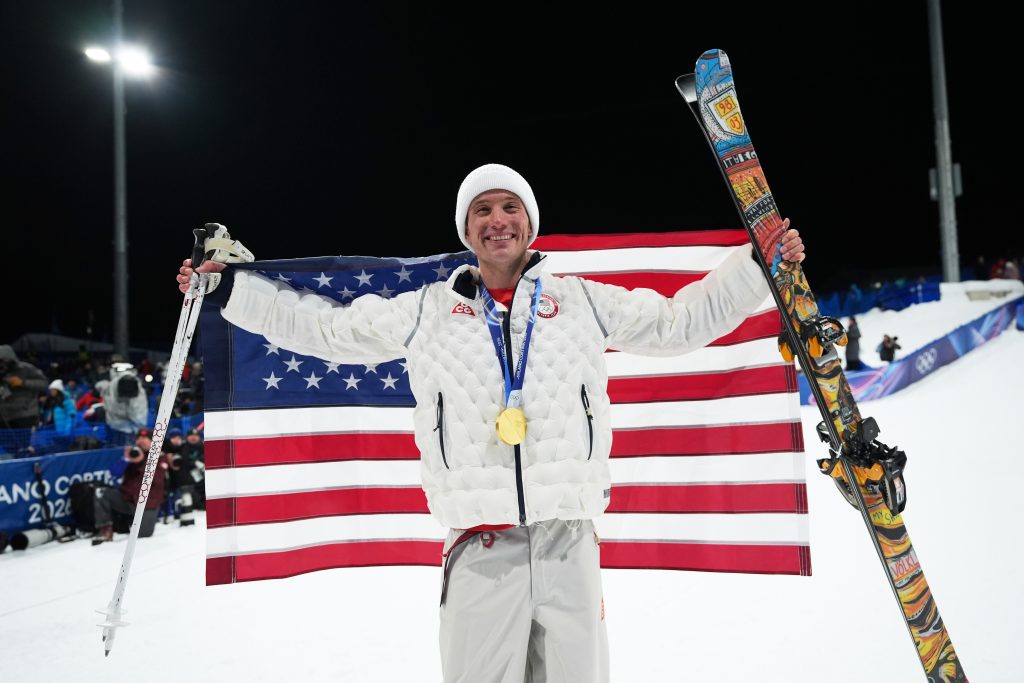
Lindsey Wasson/AP
Alex Ferreira wasn’t a halfpipe prodigy. He was largely a secondary character in his early ski career, following in the wake of stars like Torin Yater-Wallace and David Wise.
As the years went on, however, the now 31-year-old’s star power only kept rising. Once he had it all mastered — the big tricks, the pressure, the professionalism required to succeed on and off the snow — he became one of the most unstoppable forces the sport has ever seen.
And, as of Friday, he may be the best Olympian Aspen has ever seen. The new gold medal he’s bringing home from Italy is proof of that.
“It took countless hours, tons of hard work, unbelievable adversity and just the willingness to want to succeed,” Ferreira said Friday night from Livigno. “They certainly didn’t give it to me easy. I had to keep working. If they gave it to me in 2018, who knows if I would be here tonight. The universe has a weird way of working itself out. I’m just super grateful for this moment.”
Ferreira, as Aspen born-and-raised as it gets, outdueled Estonia’s Henry Sildaru (silver) and Canada’s Brendan Mackay (bronze) to the top step of the men’s halfpipe skiing podium on Friday at Livigno Snow Park at the 2026 Milan Cortina Winter Games. A 2018 Olympic silver medalist and a 2022 Olympic bronze medalist, Ferreira went all-in this winter on finishing the set, and until the 93.75 scored on his third and final run vaulted him back into the lead, it looked like he might come up short.
But, as one of the most experienced halfpipe skiers in the field, the moment wasn’t too big for him. In fact, it was the moment he had dreamed of his entire life.
He dropped in for his final run already an Aspen hero. He ended the run as a true legend of the sport.
“It’s the most beautiful moment I’ve ever experienced in my life. I’m so insanely grateful,” he said. “It just goes to show, never give up. Always believe in yourself.”
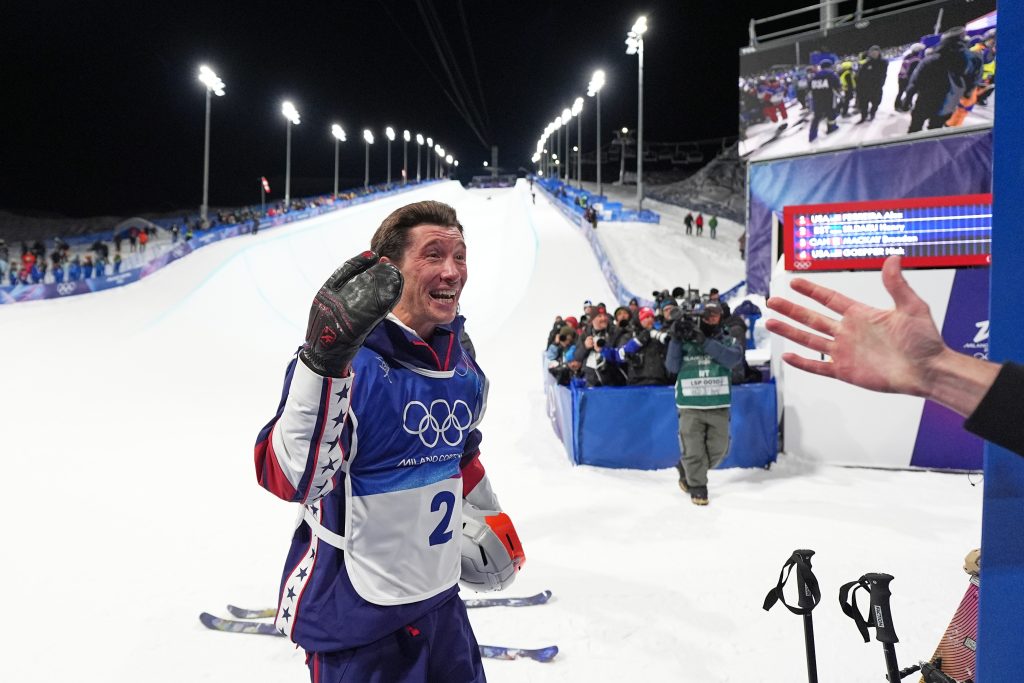
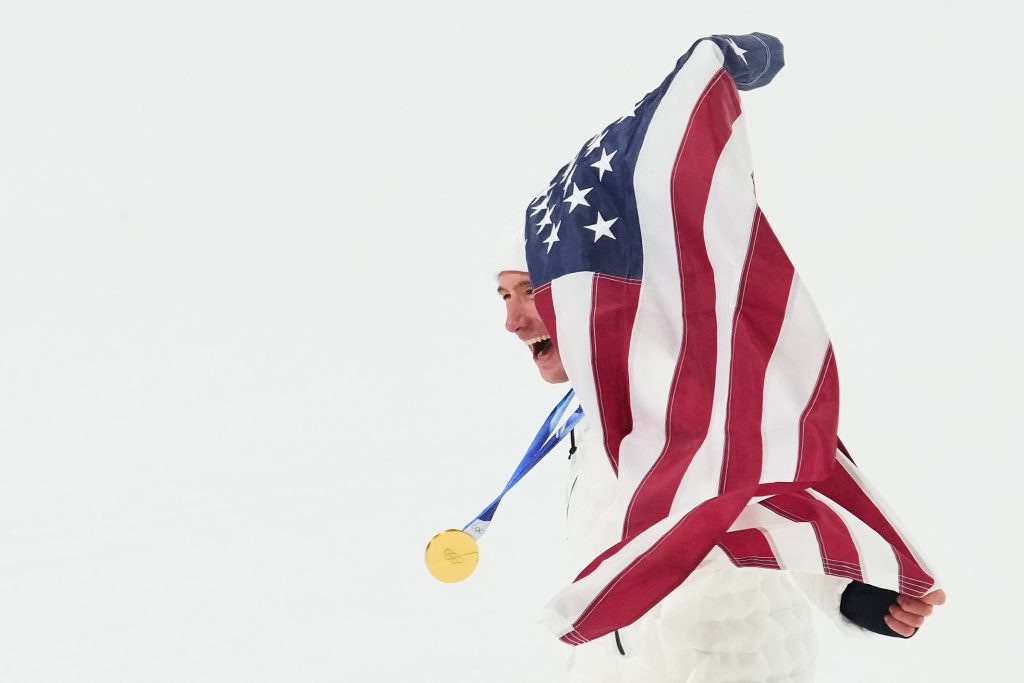
It was a long day for all skiers. After a strong snowstorm postponed Thursday’s men’s qualifier, athletes had to double dip on Friday with the qualifier in the morning and the final at night.
Mackay, Indiana’s Nick Goepper, Sildaru and Ferreira went 1-2-3-4 in the qualifier, but the big story was of New Zealand’s Finley Melville Ives, who crashed hard in qualifying and did not finish the contest. The 19-year-old, only weeks removed from his win at X Games Aspen, had been a considerable gold-medal threat. He had hoped to take the reins from his countryman, 2022 gold medalist Nico Porteous, who has since retired from halfpipe competition and wasn’t in Italy to defend his title.
Sildaru, only 19 and the younger brother of women’s freeski superstar Kelly Sildaru, was a surprise silver medalist in his Olympic debut. He scored 92.75 on his second run to temporarily jump into first place ahead of Ferreira and even followed with a 93 on his final run, only to come up less than a point short of Ferreira’s 93.75, scored on his final run.
Sildaru also competed in slopestyle and big air at this Olympics but failed to make it out of either qualifier.
“It means a lot. Coming here, I didn’t really expect to be getting a medal,” he said. “I’ve been doing all three disciplines. To get one at the final competition is really cool.”
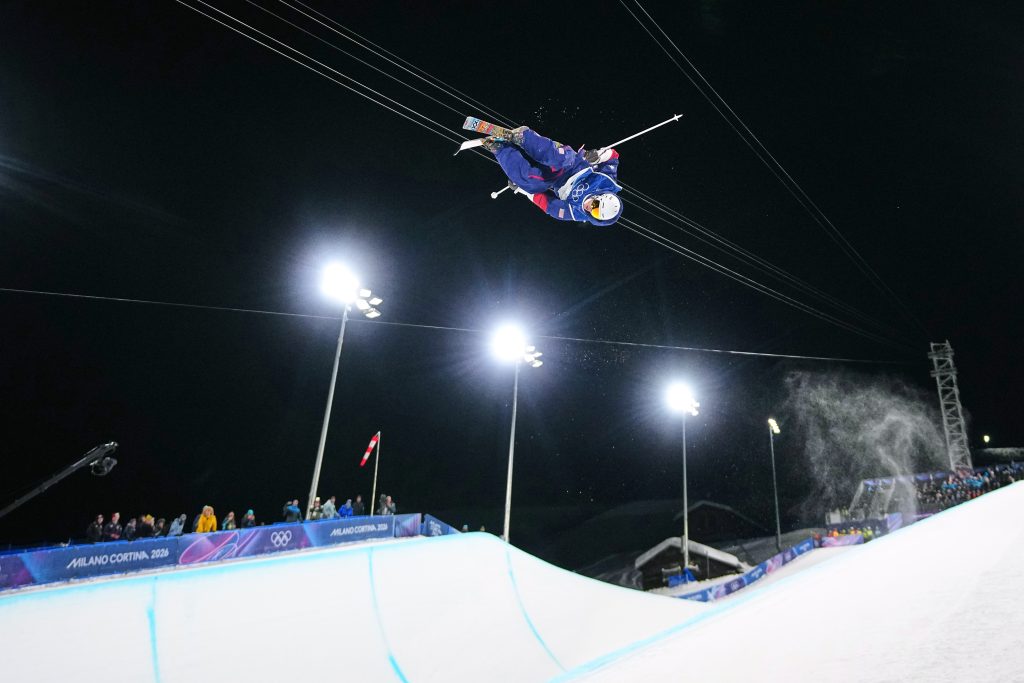
Goepper, the 31-year-old former slopestyle star who came to Italy with three Olympic medals already to his name, was piecing together a gold-medal worthy run on his third go of finals before crashing hard on the deck of the halfpipe on his final hit. He would walk away on his own power after receiving medical attention but had to settle for fourth place.
Winter Park’s Birk Irving was fifth (88), matching the fifth place he also had at the 2022 Olympics, while Great Britain’s Gus Kenworthy — a former U.S. star out of Telluride — was sixth (84.75).
Rounding out the 11-man field were Canada’s Andrew Longino (seventh, 76.5); Ireland’s Benjamin Lynch (eighth, 75); New Zealand’s Ben Harrington (ninth, 73.75); Oregon’s Hunter Hess (10th, 58.75) and Canada’s Dylan Marineau (11th, 22.5). Korea’s Seunghun Lee was the 12th qualifier, but he did not compete in finals.
It wasn’t the most progressive of halfpipe contests, with 1620s and double corks being what it took to land on the podium. Many athletes, including Ferreira, do have 1800s in the quiver, but nobody attempted anything quite that big under mostly clear skies.
-
Gold medalist Alex Ferreira celebrates his win in the men’s halfpipe skiing final at the 2026 Winter Olympics on Friday, Feb. 20, 2026, in Livigno, Italy.
Lindsey Wasson/AP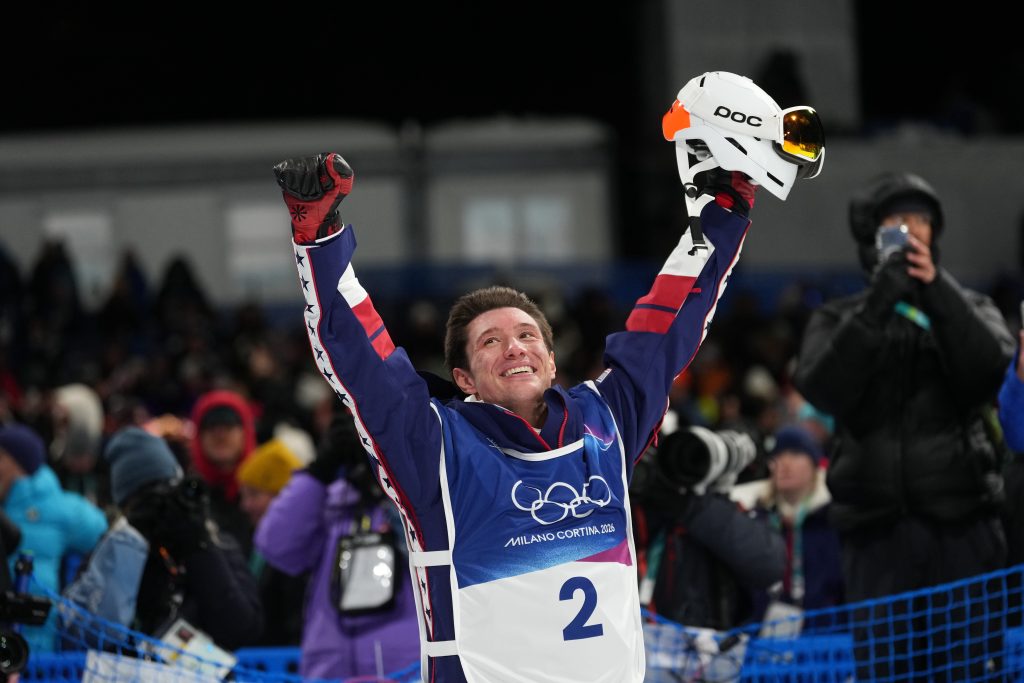
-
Aspen’s Alex Ferreira competes during the men’s halfpipe skiing final at the 2026 Winter Olympics on Friday, Feb. 20, 2026, in Livigno, Italy.
Lindsey Wasson/AP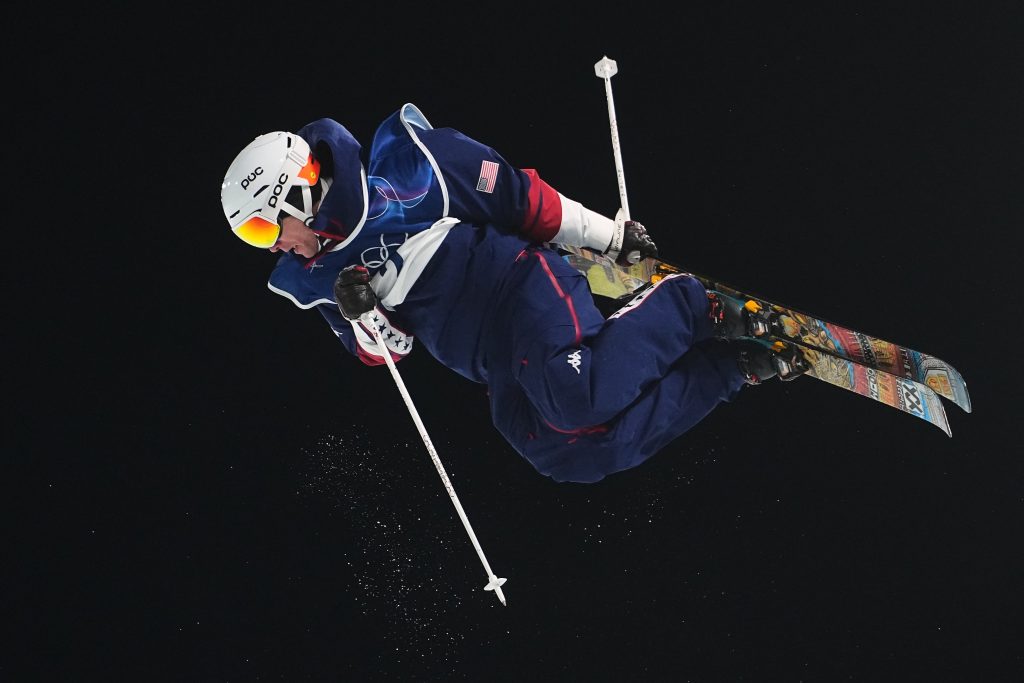
-
Aspen’s Alex Ferreira reacts during the men’s halfpipe skiing final at the 2026 Winter Olympics on Friday, Feb. 20, 2026, in Livigno, Italy.
Abbie Parr/AP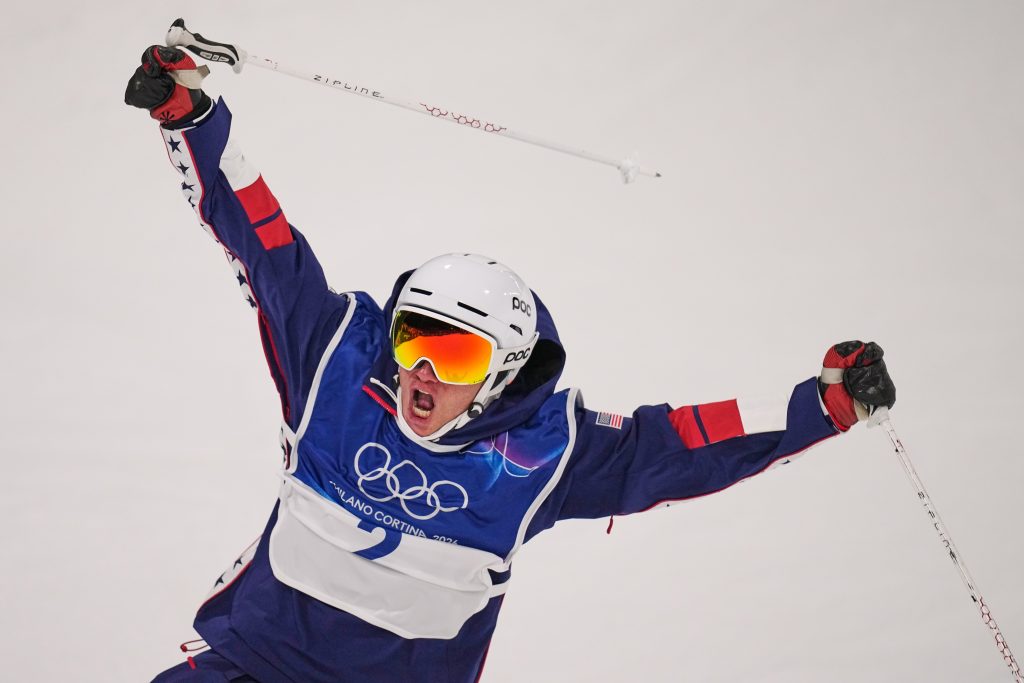
-
-
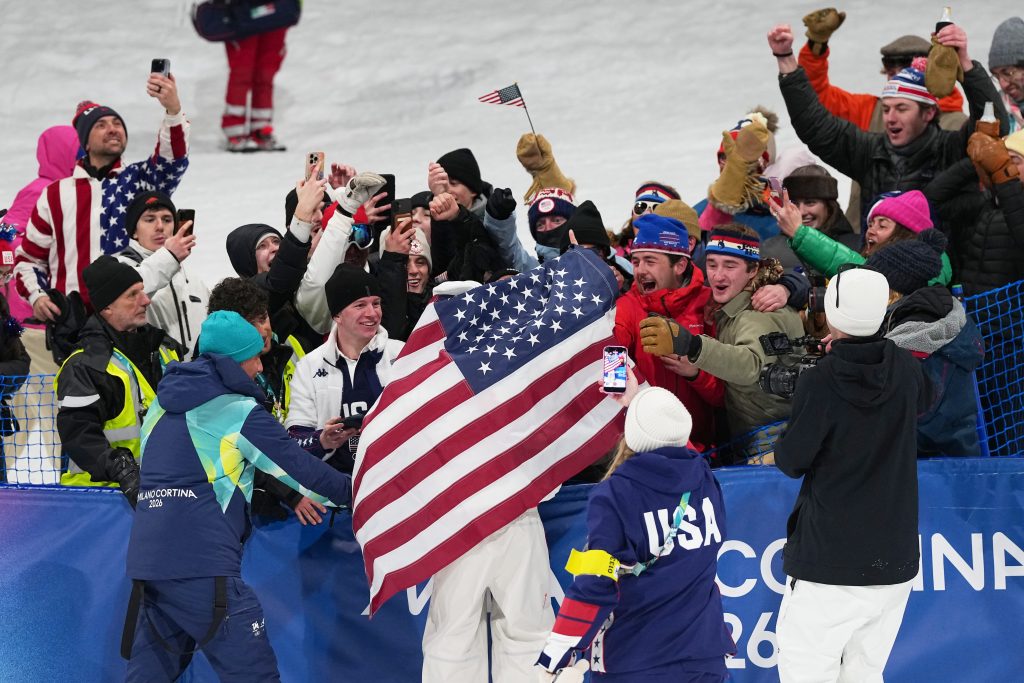
Gold medalist Alex Ferreira celebrates with an American flag after winning the men’s halfpipe skiing final at the 2026 Winter Olympics on Friday, Feb. 20, 2026, in Livigno, Italy.
Lindsey Wasson/AP
-
Gold medalist Alex Ferreira celebrates his win after the men’s halfpipe skiing final at the 2026 Winter Olympics on Friday, Feb. 20, 2026, in Livigno, Italy.
Lindsey Wasson/AP
-
Aspen’s Alex Ferreira reacts during the men’s halfpipe skiing qualifier at the 2026 Winter Olympics on Friday, Feb. 20, 2026, in Livigno, Italy.
Julia Demaree Nikhinson/AP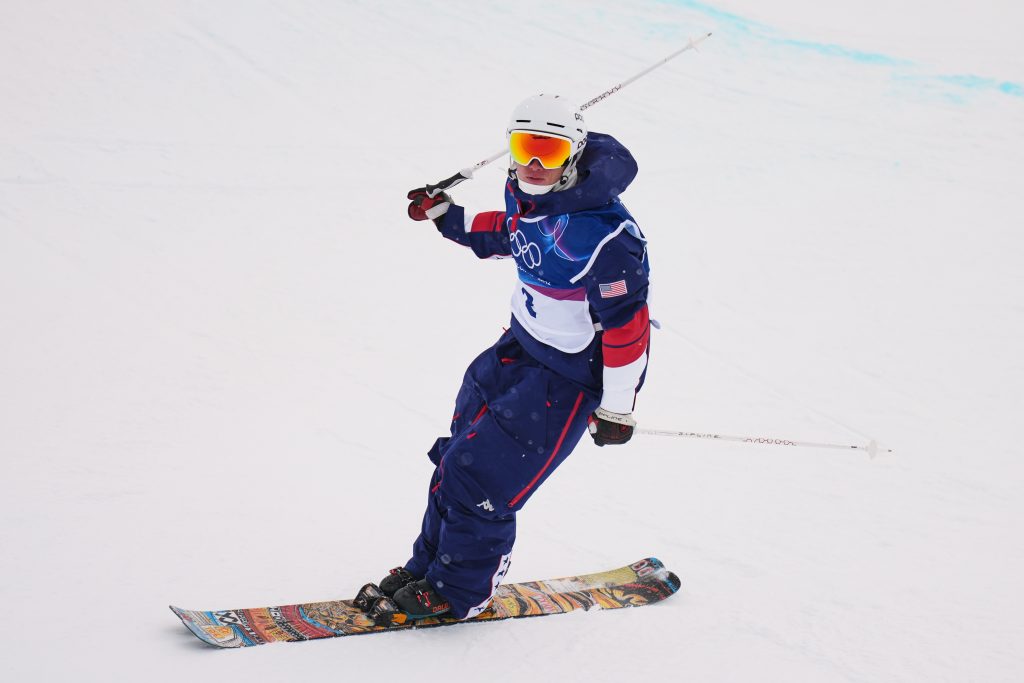
-
Aspen’s Alex Ferreira competes during the men’s halfpipe skiing final at the 2026 Winter Olympics on Friday, Feb. 20, 2026, in Livigno, Italy.
Gregory Bull/AP
-
Gold medalist Alex Ferreira celebrates his win in the men’s halfpipe skiing final at the 2026 Winter Olympics on Friday, Feb. 20, 2026, in Livigno, Italy.
Abbie Parr/AP
-
From left, Estonia’s Henry Sildaru (silver), Aspen’s Alex Ferreira (gold) and Canada’s Brendan Mackay (bronze) celebrate after the men’s halfpipe skiing final at the 2026 Winter Olympics on Friday, Feb. 20, 2026, in Livigno, Italy.
Abbie Parr/AP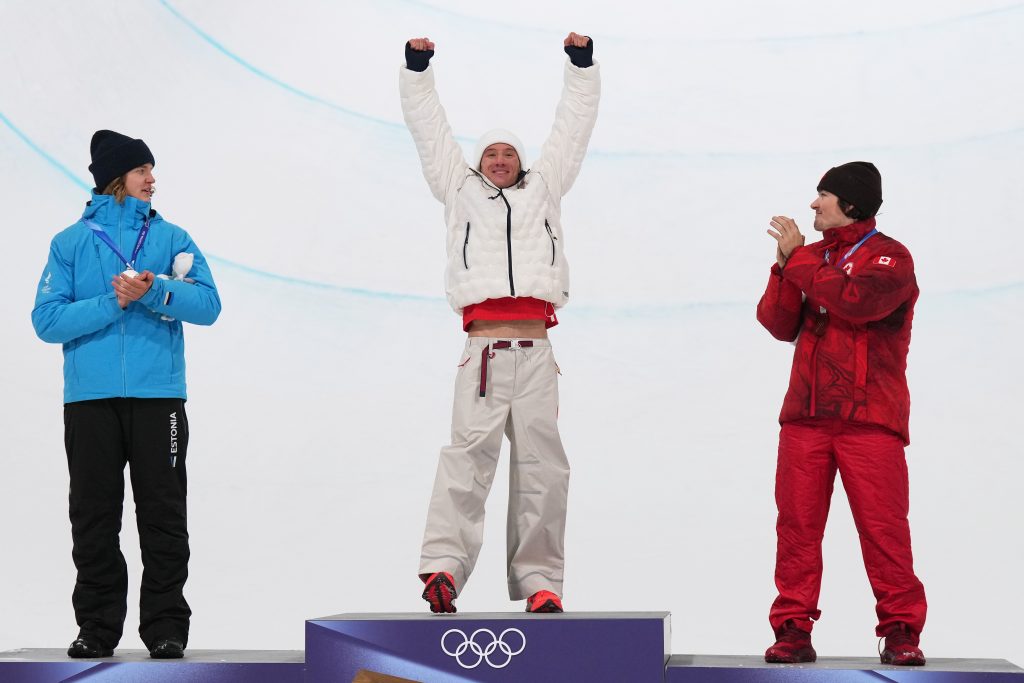
-
Gold medalist Alex Ferreira celebrates in the stands after the men’s halfpipe skiing final at the 2026 Winter Olympics on Friday, Feb. 20, 2026, in Livigno, Italy.
Gregory Bull/AP
-
Aspen’s Alex Ferreira competes during the men’s halfpipe skiing final at the 2026 Winter Olympics on Friday, Feb. 20, 2026, in Livigno, Italy.
Gregory Bull/AP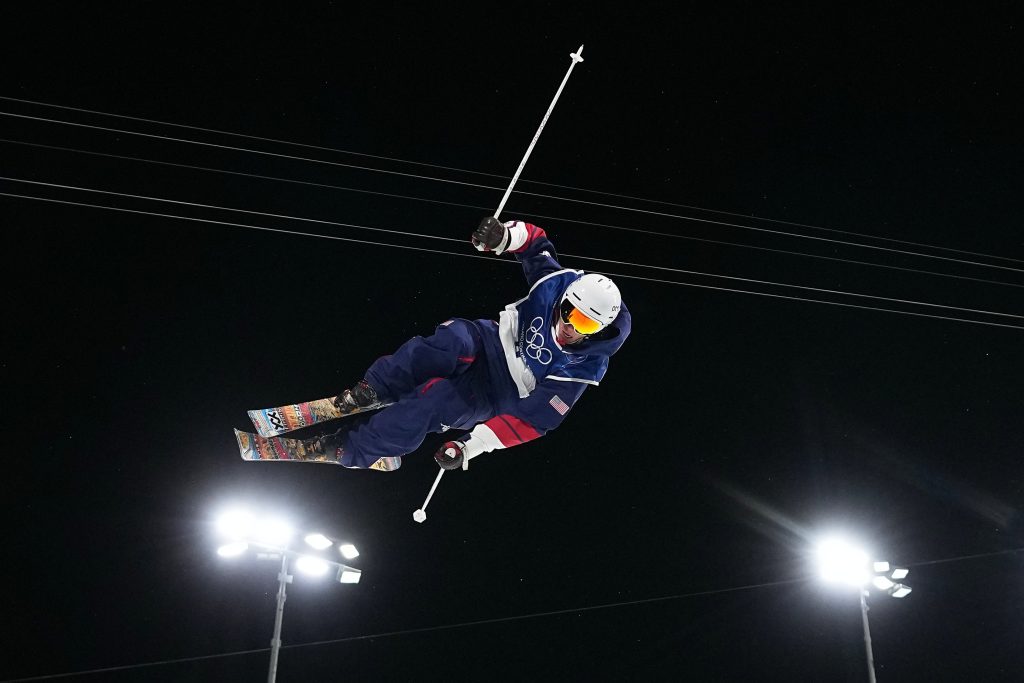
-
Winter Park’s Birk Irving competes during the men’s halfpipe skiing final at the 2026 Winter Olympics on Friday, Feb. 20, 2026, in Livigno, Italy.
Gregory Bull/AP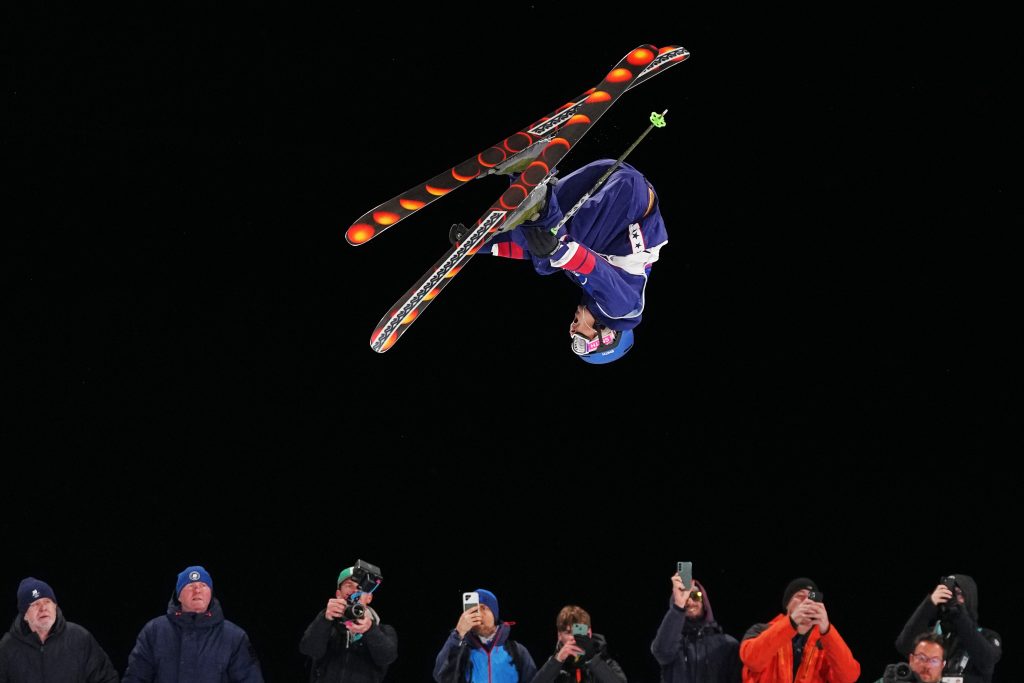
-
Indiana’s Nick Goepper gestures as he walks away after crashing during the men’s halfpipe skiing final at the 2026 Winter Olympics on Friday, Feb. 20, 2026, in Livigno, Italy.
Lindsey Wasson/AP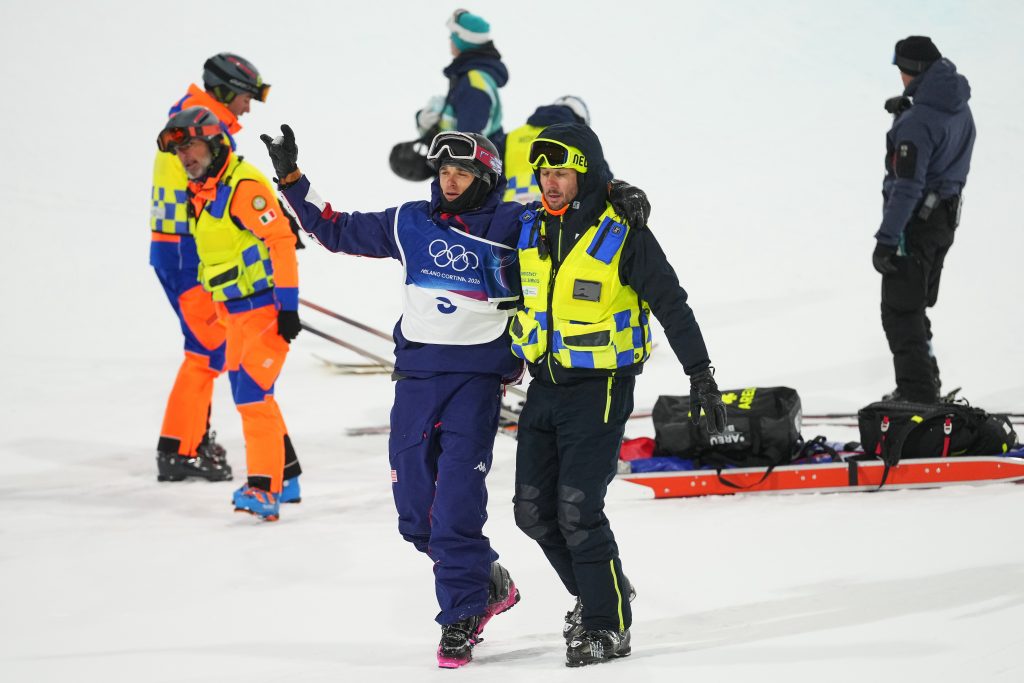
-
Winter Park’s Birk Irving reacts during the men’s halfpipe skiing final at the 2026 Winter Olympics on Friday, Feb. 20, 2026, in Livigno, Italy.
Abbie Parr/AP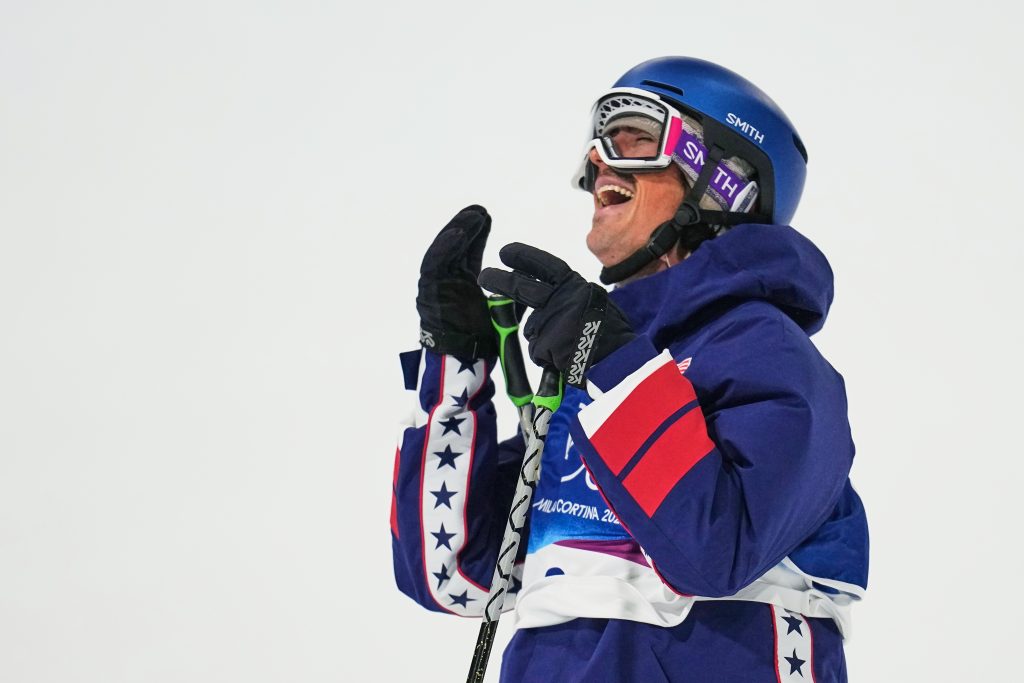
-
From left, Estonia’s Henry Sildaru (silver), Aspen’s Alex Ferreira (gold) and Canada’s Brendan Mackay (bronze) celebrate after the men’s halfpipe skiing final at the 2026 Winter Olympics on Friday, Feb. 20, 2026, in Livigno, Italy.
Abbie Parr/AP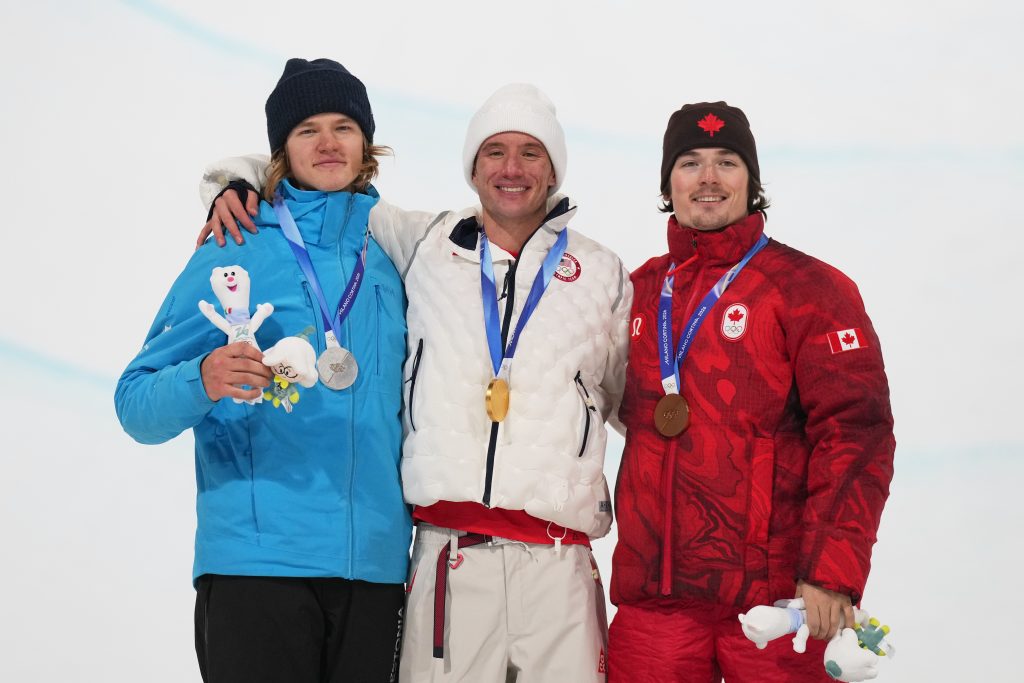
This was the third Olympic gold medal in men’s halfpipe skiing for Team USA in four tries. The sport only made its Olympic debut at Sochi 2014, won by Wise, who followed with a second gold at Pyeongchang 2018.
Ferreira, a three-time X Games champion and nine-time X Games medalist who has the most World Cup wins of any male halfpipe skier in history, has yet to formally announce any long- or short-term retirement plans but has repeatedly said the Milan Cortina Games would be his last Olympics.
“An unbelievable amount of hard work, dedication, perseverance and belief went into me doing this. … It really takes a village, literally so many people helped me get to where I am today and I’m unbelievably grateful,” he said.
“I’m finally in the history books, at least in my eyes. I would still be the same person with or without the medal, but it sure does feel good around my neck.”
Reach Austin at acolbert@aspentimes.com